
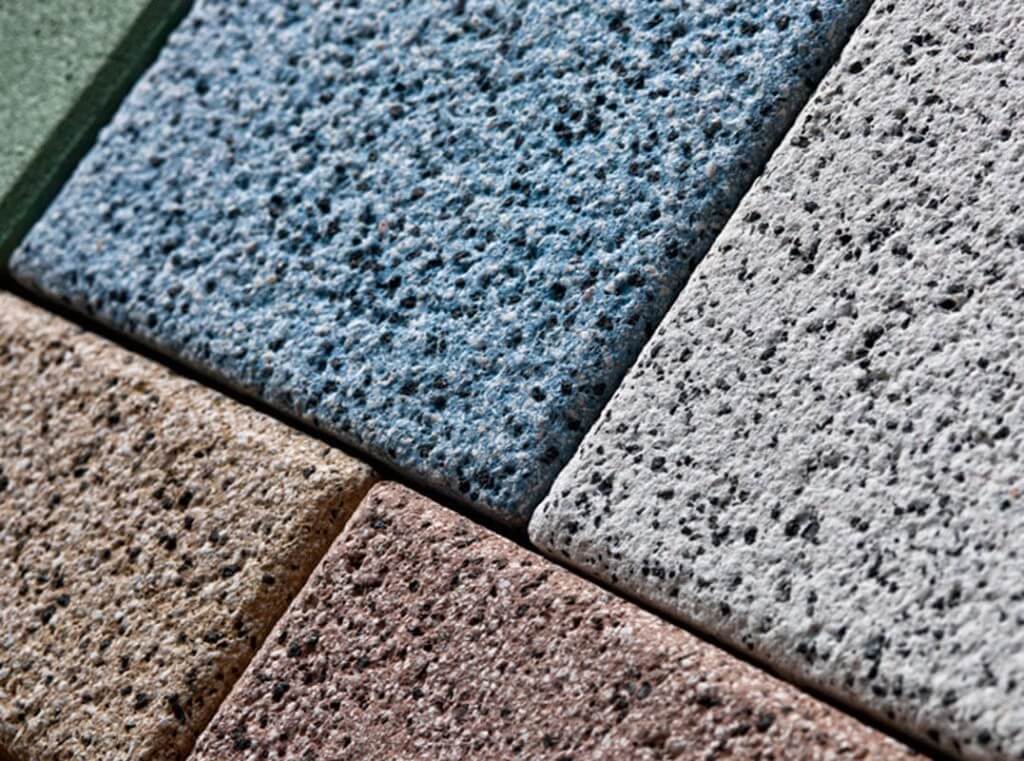
Bush hammering is commonly used on building exteriors, surfacing, stairs, swimming pools and other areas where a slip-resistant surface is required to improve safety. In this article, we will explore the details of the bush hammering process, the materials required and the common uses of this technique.
Definition of bush hammering
According to the RAE, the meaning of bush hammering is “dressing stone with a bush hammer” (a hammer with two square faces covered in teeth, used in stonemasonry).
Materials required for bush hammering
Several materials and tools are needed to carry out the bush hammering process. These include:
- Bush hammering tool or bush hammer: a tool with a series of diamond tips used to create a rough texture on the surface.
- Stone or concrete: the surface to be bush-hammered.
- Hearing protection: the bush hammering process can be noisy, so wearing hearing protection is recommended.
- Safety goggles: protect the eyes from any debris generated during the process.
- Work gloves: protect the hands from the bush hammer and prevent blisters.
- Safety boots: prevent foot injuries.
Bush hammering process
The bush hammering process begins with surface preparation. The stone or concrete must be clean and dry before starting the process. The following steps should then be followed:
- Selecting diamond tips: A range of diamond tips is available for the bush hammer. Selecting the right tips will depend on the type of stone or concrete being used and the desired final result.
- Adjusting the pressure: The bush hammer must be adjusted to apply the right amount of pressure. Too much pressure can damage the surface, while too little pressure will not be effective.
- Creating the texture: The bush hammer is used to strike the stone or concrete surface. The diamond tips create a uniform, rough texture on the surface.
- Cleaning: After bush hammering the surface, it must be cleaned with a vacuum cleaner to remove any debris and dust generated during the process.
Common uses of bush hammering
Bush hammering is commonly used on building exteriors, surfacing, stairs, swimming pools and other areas where a slip-resistant surface is required.
In addition, bush hammering can be used to add texture to decorative stone elements such as fountains, monuments and sculptures.
Benefits of bush hammering
Bush hammering has several benefits in construction, including:
- Improved safety: Bush hammering creates a slip-resistant surface, which improves safety in areas where there is a high risk of slips and falls.
- Durability: The texture created by bush hammering is durable and resistant to wear. This means that the bush-hammered surface is less prone to damage and requires less maintenance than a smooth surface.
- Aesthetics: Bush hammering can improve the appearance of a stone or concrete surface, creating a visually appealing and unique texture. In addition, the rough texture created by bush hammering can help conceal stains and minor imperfections on the surface.
- Weather resistance: Bush hammering can increase the surface's resistance to the effects of climate and weathering. This is particularly important for outdoor areas exposed to rain, wind and direct sunlight.
Conclusion
Bush hammering is a technique commonly used in construction to create slip-resistant and durable surfaces. Using a bush hammer and diamond tips, a uniform, rough texture can be created on the stone or concrete surface.
Bush hammering has several benefits in terms of safety, durability, aesthetics and weather resistance, making it a popular choice for outdoor areas and decorative stone elements.
If you are looking for a way to improve the safety and appearance of your stone or concrete surface, consider bush hammering as a viable option.