
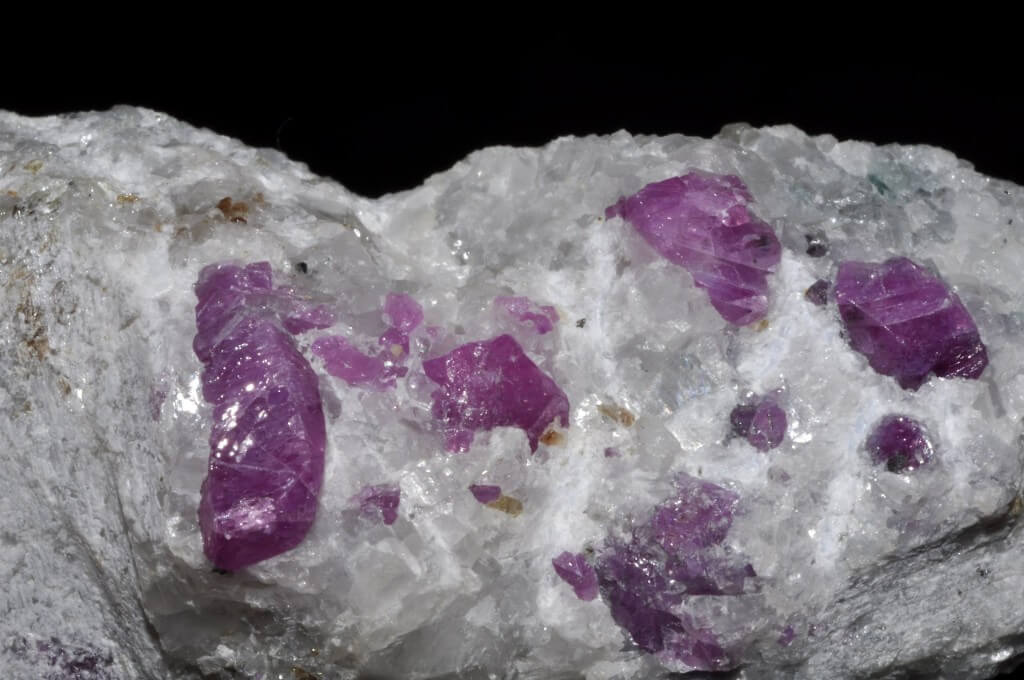
Corundum, composed primarily of aluminium oxide, is known for occurring as prismatic crystals and for its classification as one of the hardest minerals available in nature, second only to diamond. This distinctive property has captured the attention of architects, engineers and builders, who have recognised its potential to meet the most demanding challenges in construction.
In this article, we will explore the properties and characteristics of corundum in detail, along with its various uses in construction. From floor coverings and surfacing to corrosion protection and refractory materials, we will discover how corundum has been successfully applied in a wide range of construction projects. We will also examine the key benefits and considerations when using corundum in construction, providing a comprehensive overview for those seeking to improve the quality and strength of their projects.
If you are interested in discovering how corundum can take your construction projects to a higher level in terms of durability and performance, join us as we explore its properties, uses and benefits in the fascinating world of construction.
What is corundum?
Corundum is a naturally occurring mineral that stands out for its hardness and strength. It is composed primarily of aluminium oxide and occurs as prismatic crystals. This material has been widely used in the construction industry due to its exceptional properties and its ability to withstand adverse conditions.
Properties of corundum
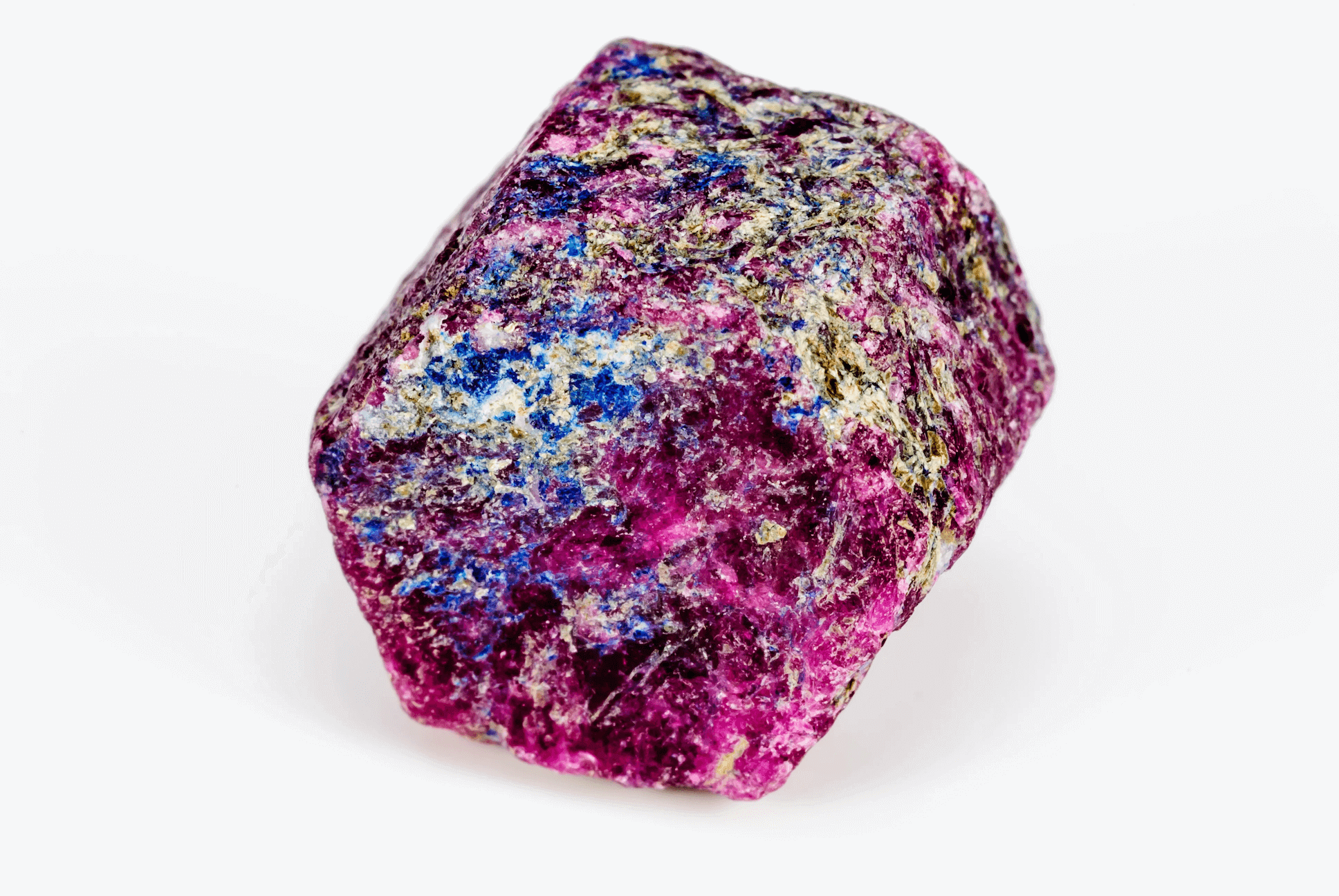
Corundum is characterised by being one of the hardest materials available in nature, second only to diamond. This hardness gives it excellent abrasion resistance, making it an ideal choice for applications that require wear resistance, such as floor coverings and surfacing.
In addition to its hardness, corundum also has high compressive and tensile strength. This makes it an ideal material for use in structures that need to withstand heavy loads, such as columns, beams and foundations.
Another outstanding property of corundum is its corrosion resistance. Unlike other materials, corundum is not affected by the action of strong acids or alkalis, making it a safe and durable choice in aggressive environments.
Uses of corundum in construction
Corundum is used in a wide variety of construction applications. Some of the most common uses include:
- Floor coverings and surfacing: thanks to its abrasion resistance, corundum is used in the manufacture of tiles and surfacing that require high durability, particularly in high-traffic areas or those subject to constant wear.
- Anti-corrosion coatings: due to its corrosion resistance, corundum is used to protect metal structures exposed to aggressive environments, such as bridges, storage tanks and pipes.
- Refractory materials: corundum is widely used in the manufacture of refractory materials, such as bricks and mortars, that can withstand high temperatures. These materials are used in the construction of furnaces, chimney linings and other structures exposed to high temperatures.
- Abrasives: corundum is used in the manufacture of high-quality abrasives, such as cutting discs and sanders. Its hardness makes it a preferred choice for applications that require precise cutting and high efficiency.
Benefits of using corundum in construction
The use of corundum in construction offers several significant benefits:
- Durability and strength: the hardness and strength of corundum ensure a long service life for the structures and coatings in which it is used. This reduces long-term maintenance costs and ensures the integrity of built structures.
- Ease of maintenance: due to their abrasion and corrosion resistance, corundum materials and coatings are easy to clean and maintain. They require less effort and fewer resources to maintain their optimal appearance and performance.
- Resistance to extreme conditions: corundum can withstand adverse environmental conditions, such as high temperatures, moisture, aggressive chemicals and exposure to UV rays. This makes it a reliable and durable choice even in challenging environments.
- Versatility: corundum can be used in a wide range of construction applications, from floor coverings and surfacing to corrosion protection for metal structures. Its versatility makes it suitable for various projects and construction needs.
- Sustainability: corundum is a natural material that is abundant in nature. Its extraction and processing do not have a significant environmental impact, making it a sustainable choice for construction. In addition, its durability and strength reduce the need for frequent replacement, contributing to resource conservation.
Considerations when using corundum in construction
Although corundum offers numerous benefits, it is important to bear certain considerations in mind when using it in construction projects:
- Cost: corundum can cost more than other materials used in construction. However, it is important to consider its durability and strength, which can offset this higher cost in the long term.
- Specialist installation: some construction applications of corundum may require specialist labour and specific installation techniques. Trained personnel are essential to ensure correct use and to make the most of corundum's properties.
- Compatibility with other materials: before using corundum in combination with other construction materials, it is important to assess its compatibility and consider potential chemical interactions or adverse effects on structural integrity.
Conclusions
Corundum is a versatile and resilient material that has proven valuable in the construction industry. Its unique properties, such as its hardness, abrasion resistance and corrosion resistance, make it a preferred choice for applications that require durability and strength under adverse conditions.
From floor coverings and surfacing to corrosion protection and refractory materials, corundum offers significant benefits in terms of durability, ease of maintenance and resistance to extreme conditions. Although it may have a higher initial cost and require specialist installation, its long-term value and contribution to sustainability make corundum a smart choice for construction projects.
When considering the use of corundum in construction, it is important to carefully assess the project's needs and consult experts to ensure appropriate implementation. With its proven strength, corundum is a reliable material that can improve the quality and longevity of built structures.