
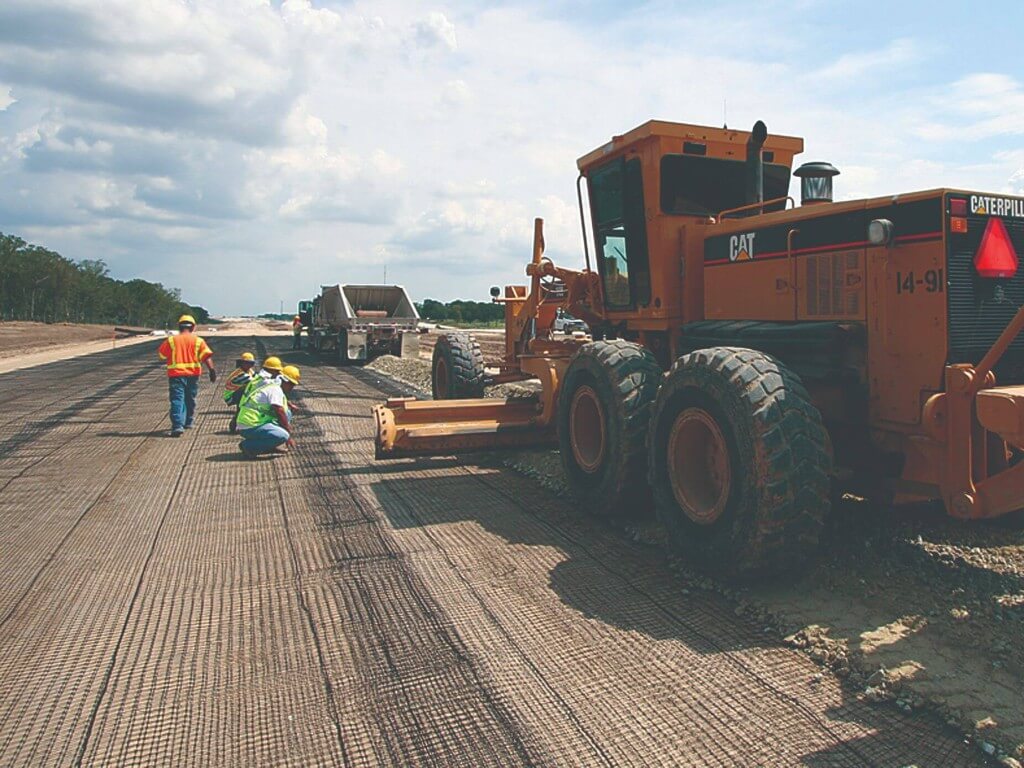
Soil stabilisation is crucial for the construction of roads, industrial flooring and any other infrastructure that requires it.
What is soil stabilisation?
Soil stabilisation refers to the modification of a soil's properties with the aim of increasing its strength and durability. This is achieved by improving its original properties, strength, impermeability and quality. This technique is applied to various types of ground, particularly on dual carriageways, motorways, major road infrastructure and industrial flooring.
To carry out these tasks, it is essential to work with a specialist company such as Byond, which can provide the necessary advice on the best techniques and most suitable treatments for each type of ground.
How is soil stabilisation carried out?
A specialist engineer is essential when stabilising any type of soil. Only specialists can advise on the best techniques and the appropriate treatment for each case.
Before starting any soil stabilisation process, engineers will carry out the necessary design work and testing.
Generally, the steps to follow for soil stabilisation are as follows:
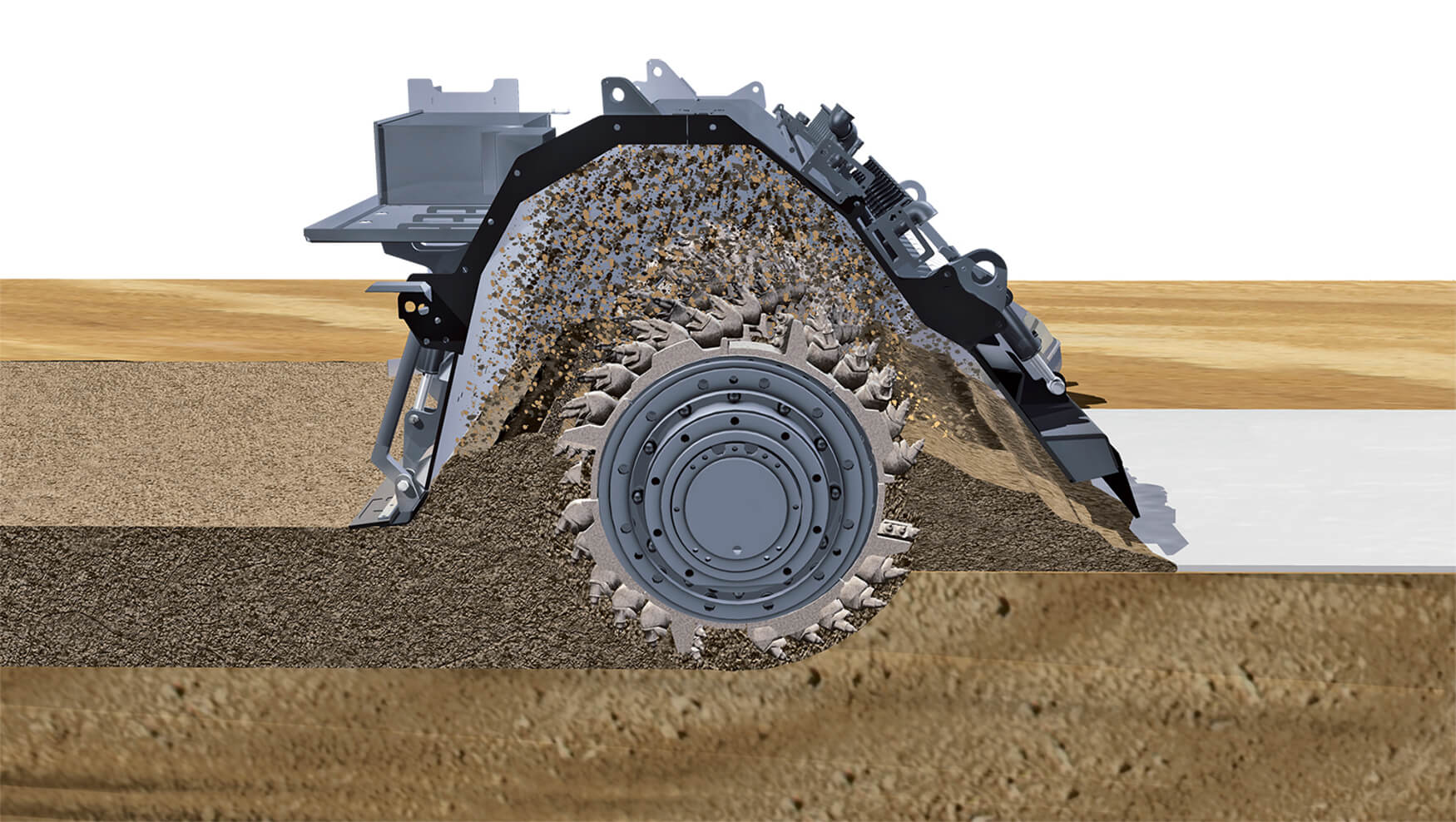
- A reclaiming machine pulverises the material in the ground in question.
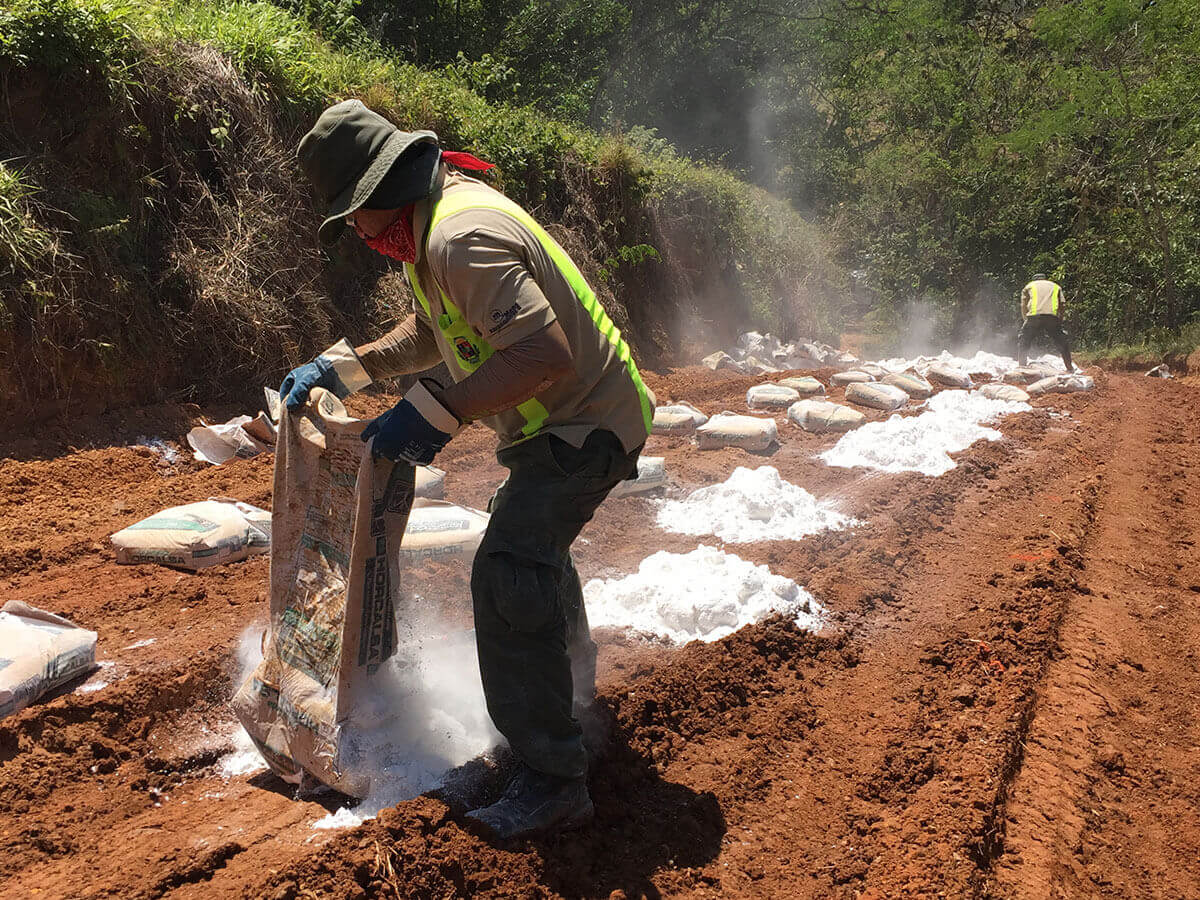
- An additive is applied to the material to be treated. This is mixed with the soil until the properties required by the engineer are achieved.
- The new base is then shaped to the appropriate profile and compacted using a motor grader.
Although it may seem like a straightforward process, it must in fact be carried out by specialists, as each soil stabilisation process will vary depending on the soils and additives required.
What techniques are used for soil consolidation?
Soil stabilisation techniques can vary, and a specialist must decide which to apply in each case. However, the three basic techniques are:
Mechanical soil stabilisation
This is the oldest technique and involves changing the physical properties of the soil to modify its firmness, grading and permeability, among other characteristics. Dynamic compaction is carried out using a heavy weight that is repeatedly dropped onto the surfacing to eliminate irregularities and achieve a compact surface.
Alternative soil stabilisation
New technologies are emerging and the soil stabilisation process is evolving. Polymer-based soil stabilisation is currently gaining popularity thanks to its ease of use, effectiveness, cost savings and environmental benefits, among other factors. The significant advantages of polymer soil stabilisation compared with mechanical or chemical techniques are that it generally tends to offer better results, and its working methods are less hazardous and toxic for both professionals and the environment.
Chemical soil stabilisation
This involves adding materials to the soil that interact with it to change its physical properties. There are several types of chemical soil stabilisation that depend on chemical elements and additives, such as cement, fly ash, kiln dust or lime. The outcome of the chemical reactions will depend on the type of soil.
What improvements are achieved with stabilised soils?
What will ultimately determine your choice when undertaking soil stabilisation are the guarantees offered by the professionals and the final result that will be achieved.
Strength
Stabilising the soil by applying a binder increases its strength, enabling it to withstand heavier loads.
Impermeability
Preventing excess moisture in the ground's sub-base prevents deformations in the asphalt, such as potholes and cracks, known as "soft spots".
Durability
Using a suitable binder in soil stabilisation eliminates moisture problems and significantly increases the durability of cement-reinforced soil.
Conclusions
Soil stabilisation is an essential technique for ensuring the safety and durability of any type of construction. Over the years, various soil consolidation techniques have been developed, from the most traditional to the most modern, each with its own advantages and disadvantages, with the choice depending on the soil characteristics and the needs of each particular project.
Soil consolidation can provide significant benefits, such as greater soil strength, impermeability and durability, resulting in long-term cost savings and the prevention of problems such as potholes and cracks in the surfacing.
Ultimately, soil stabilisation is a crucial part of the construction process that cannot be overlooked when seeking a solid and durable construction, so it is essential to select a soil stabilisation specialist such as Byond, where we offer the highest guarantees and meet the project's specific requirements.