

What is stucco?
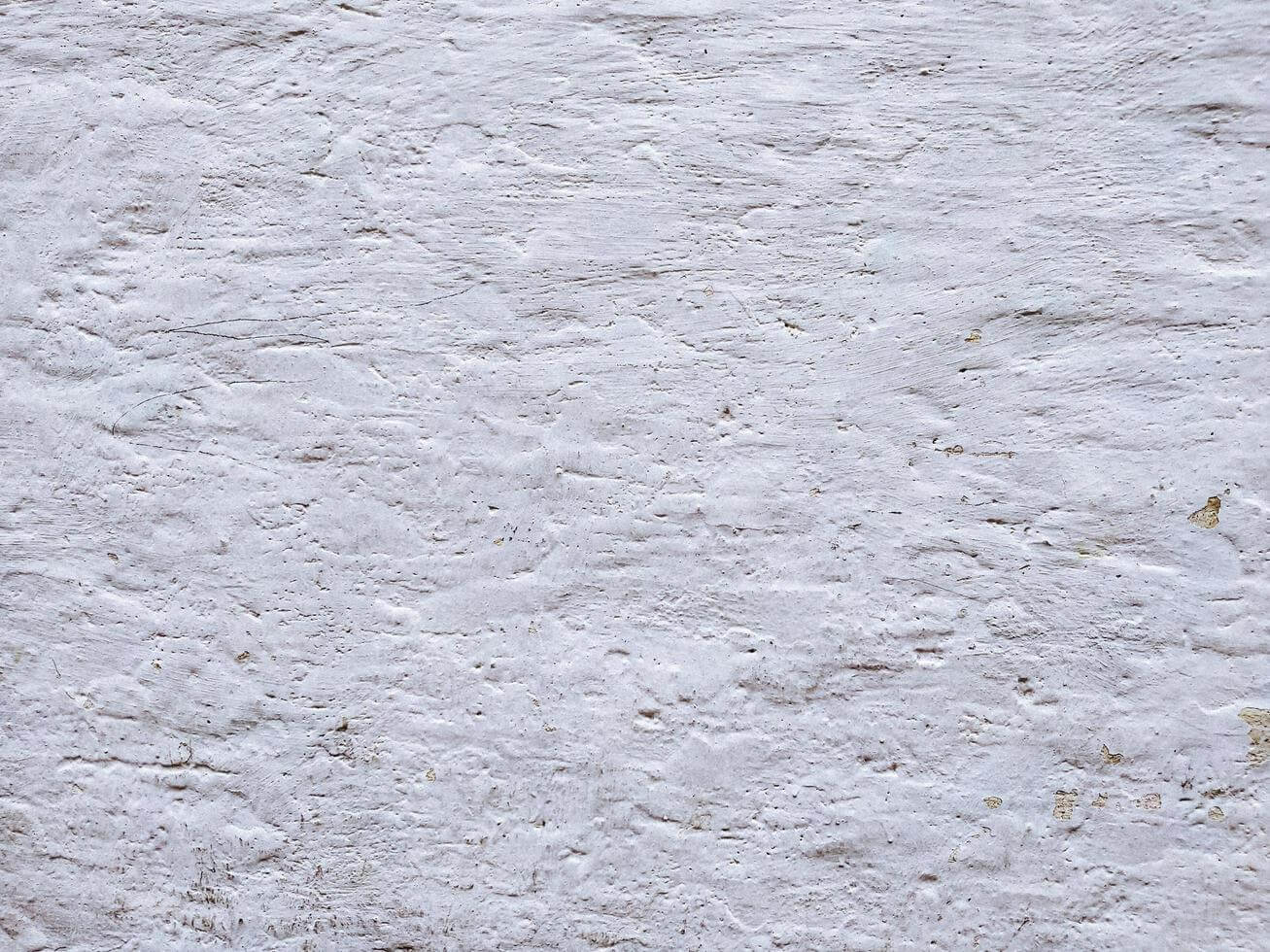
Stucco is a mineral-based coating applied to interior and exterior building surfaces. It consists of a mixture of cement, lime, sand and water, which forms a hard, durable layer as it dries. This coating technique has a long history and has been used in various cultures over time.
Characteristics of stucco
Stucco has several distinctive characteristics that make it a popular choice in construction:
- Durability: stucco is a highly durable material that withstands adverse weather conditions, making it suitable for both interiors and exteriors.
- Versatility: stucco can be applied to a variety of surfaces, including concrete, brick, masonry and plasterboard, making it a flexible option for different projects.
- Aesthetics: stucco offers an aesthetically appealing finish, with a smooth, uniform texture that can be adapted to different architectural styles.
- Thermal and acoustic insulation: stucco provides a degree of thermal and acoustic insulation, contributing to energy efficiency and indoor comfort.
Properties of stucco
Stucco has a range of properties that make it suitable for use in construction:
- Adhesion: stucco has excellent adhesion to surfaces, ensuring a strong, lasting bond.
- Breathability: stucco allows water vapour to escape, avoiding moisture build-up and preventing problems such as mould and corrosion.
- Fire resistance: stucco has fire-retardant properties, meaning it is resistant to fire and can help slow its spread.
- Water resistance: although stucco is not waterproof, it has good water resistance, making it suitable for exterior and interior applications in areas with moderate exposure to moisture.
Advantages of stucco
Using stucco in construction projects offers numerous advantages:
- Long-term durability: stucco is a resilient material that can withstand harsh weather and maintain its appearance for many years, reducing the need for frequent maintenance.
- Design flexibility: stucco can be applied in a variety of shapes and textures, allowing bespoke designs to be created and adapted to different architectural styles, from traditional to modern.
- Structural protection: stucco acts as a protective layer over the surface, helping to prevent damage caused by moisture, temperature changes and abrasion.
- Thermal and acoustic insulation: stucco offers insulating properties that help regulate indoor temperatures and reduce external noise, thereby improving energy efficiency and acoustic comfort.
- Low cost: compared with other coatings, stucco is an economical option, making it attractive for construction projects with limited budgets.
- Compatibility with other materials: stucco can easily be combined with other construction materials, such as brick, stone or wood, to create aesthetically pleasing and functional combinations.
Disadvantages of stucco
Although stucco has many advantages, it also has some disadvantages to consider:
- Susceptibility to impact: stucco can be susceptible to knocks and heavy impacts, which can result in cracking or flaking on the surface.
- Periodic maintenance: although stucco is durable, it may require periodic maintenance, such as repairing cracks or applying new finishing coats to maintain its original appearance.
- Long drying time: stucco requires a long drying time before additional coats or paint can be applied, which can extend a project's completion time.
- Need for specialist skills: applying stucco requires specific skills and technical knowledge, so using trained professionals is recommended for optimal results.
Uses of stucco in construction
Stucco is used in a wide variety of construction applications:
- Exterior coating: stucco is commonly used as an exterior coating on building façades to provide protection, improve aesthetics and increase durability.
- Interior coating: indoors, stucco is used to create smooth, uniform surfaces on walls and ceilings, providing an elegant and sophisticated appearance.
- Architectural decoration: stucco is used to create decorative and ornamental elements, such as mouldings, cornices, columns and sculptural details, adding a touch of elegance and sophistication to the architecture.
- Restoration of old buildings: stucco is particularly useful in the restoration of historic buildings, as it can accurately replicate original architectural details and provide lasting protection.
- Repair of damaged surfaces: stucco is used to repair and level damaged surfaces, such as cracks, holes or irregularities, before applying a new coating or paint.
- Landscaping projects: in landscaping, stucco is used to create decorative garden structures, such as retaining walls, benches or columns, adding an aesthetic touch to the surroundings.
Stucco care and maintenance
To ensure stucco remains durable and looks good, it is important to follow some care and maintenance tips:
- Regular inspection: carry out periodic inspections to identify cracks, flaking or other damage to the stucco. Carry out any necessary repairs immediately to prevent problems from worsening.
- Gentle cleaning: clean stucco regularly with water and a mild detergent to remove accumulated dirt and debris. Avoid using harsh chemicals that could damage the surface.
- Joint maintenance: if the stucco has joints, make sure they are in good condition. Fill damaged or worn joints with a suitable sealant to prevent water ingress.
- Protection against impact: avoid striking or applying excessive force to stucco, as this can cause damage. If construction or renovation work needs to be carried out near the stucco, protect it adequately.
- Additional coating or paint: if you wish to change the colour of the stucco or provide an additional layer of protection, consult a professional to ensure you use suitable products and follow the appropriate application techniques.
Conclusion
Stucco is a versatile and durable material that offers numerous advantages in construction. Its resilience, aesthetics and protective capabilities make it a popular choice for exterior and interior coatings, as well as decorative elements.
While it requires some maintenance and specialist application skills, stucco remains an attractive option for architectural projects of all kinds. By caring for stucco properly, you can enjoy its long-term benefits, creating beautiful and lasting spaces.