
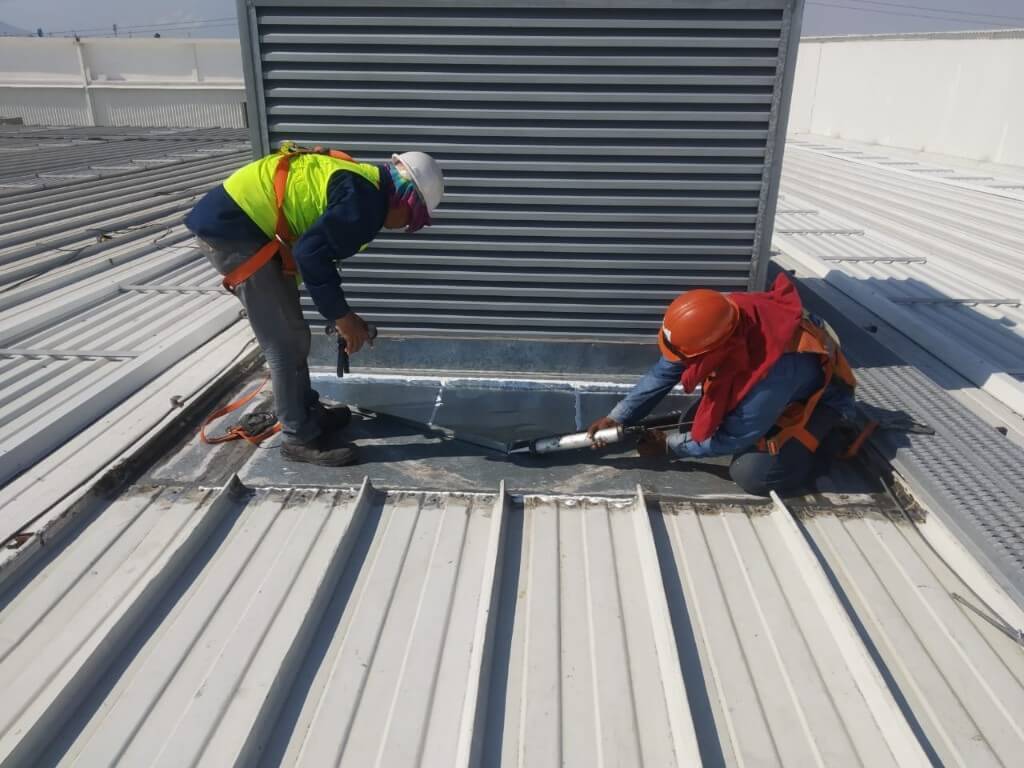
What is an industrial maintenance plan?
An industrial maintenance plan comprises a series of activities and tasks designed to extend the service life of an industrial complex. These activities focus on maintaining each individual piece of equipment and machine, with the aim of reducing the number of failures and accidents.
The activities and tasks in an industrial maintenance plan are grouped and sequenced according to technical criteria, with different frequencies assigned to them, such as daily, quarterly or annually, among others.
The importance of having an industrial maintenance plan
An industrial maintenance plan makes it possible to organise and structure all actions aimed at improving and preserving an industrial building or logistics complex, which typically involve a large number of tasks and activities. This plan also serves as a programme and schedule for preventive activities, helping to extend the service life of the industrial building and improve its productivity.
The aim of implementing an industrial maintenance plan is to increase operational availability and reliability through scheduled shutdowns, in other words, interruptions with minimal impact. This preventive approach also helps reduce expenditure on subsequent refurbishment and renovation work.
Maintenance frequency for an industrial building
The maintenance frequency for an industrial building depends on various factors and the specific requirements of each piece of equipment or machine to be maintained. It is important to take the manufacturer's specifications into account when determining the appropriate maintenance frequency.
- Daily: equipment inspections and data collection by operational staff.
- Monthly: mechanical and technical maintenance of equipment prone to becoming dirty or falling out of adjustment.
- Quarterly: preventive and predictive maintenance, useful for electrical systems.
- Annually: mechanical, electrical and instrumentation maintenance. Activities can be spread throughout the year or carried out on specific dates.
Consequences of inadequate maintenance
Failing to carry out appropriate maintenance can have serious consequences, both financially and in terms of industrial safety. The main consequences include:
- Deterioration of physical assets: inadequate maintenance leads to the deterioration of a facility's equipment and machinery, resulting in additional financial costs for corrective action.
- Restructuring of the maintenance plan: inadequate maintenance will require additional action to remedy deterioration in the affected equipment and machinery, necessitating adjustments and changes to the industrial maintenance plan.
- Loss of production: poor maintenance management can lead to problems that force production in the industrial building to stop. This results in significant losses of time, resources and money for the company.
- Increased risk of workplace accidents: inadequate maintenance can compromise industrial safety, increasing the risk of hazards and workplace accidents in the industrial building.
Key elements of an industrial maintenance plan
Some of the most important factors in industrial maintenance are as follows:
- Regular inspections: carry out visual and functional inspections of equipment and machinery to detect potential wear, leaks, damage or signs of malfunction.
- Preventive maintenance: carry out scheduled cleaning, lubrication, adjustment and calibration tasks on equipment to prevent failures and ensure optimum performance.
- Corrective maintenance: respond quickly and efficiently to failures or breakdowns, repairing or replacing the necessary components to restore normal operation.
- Staff training: provide appropriate training for the staff responsible for maintenance to ensure that tasks are carried out correctly and safely.
- Data recording and analysis: keep a detailed record of maintenance activities, including dates, tasks performed and components replaced, among other details. These records are useful for analysing trends, identifying failure patterns and making informed decisions.
- Continuous improvement: continually assess the industrial maintenance plan and make adjustments based on the results obtained. Look for opportunities for optimisation, implement new technologies and best practices to improve efficiency and reduce costs.
Conclusions
Industrial maintenance is essential to preserve an industrial building and ensure that it functions correctly. An appropriate maintenance plan can extend the service life of equipment, improve productivity and strengthen industrial safety. Failing to carry out appropriate maintenance can have negative consequences, both financially and in terms of safety.
It is therefore essential to establish and follow an industrial maintenance plan at the appropriate frequency, taking into account manufacturers' specifications and the specific requirements of each piece of equipment and machinery. This will help prevent the deterioration of physical assets, reduce additional costs, maintain uninterrupted production and ensure a safe working environment.
Implementing good industrial maintenance practices is not only a preventive measure, but also a long-term investment. Keeping equipment and machinery in optimum condition maximises their service life and avoids costly repairs or premature replacements. It also improves operational efficiency by reducing unplanned downtime and production interruptions.
In summary, appropriate industrial maintenance is essential to ensure the preservation, productivity and safety of an industrial building. Establishing a maintenance plan with the appropriate frequency and carrying out the necessary tasks can prevent costly mistakes, extend the service life of equipment and machinery, and maintain efficient operations. Do not underestimate the value of well-planned industrial maintenance, as it can make the difference between success and failure in today's industrial environment.