
Methods for measuring moisture in concrete
There are several methods for measuring moisture in concrete, each with its advantages and limitations. Some of the most widely used methods are presented below:
Moisture probe method
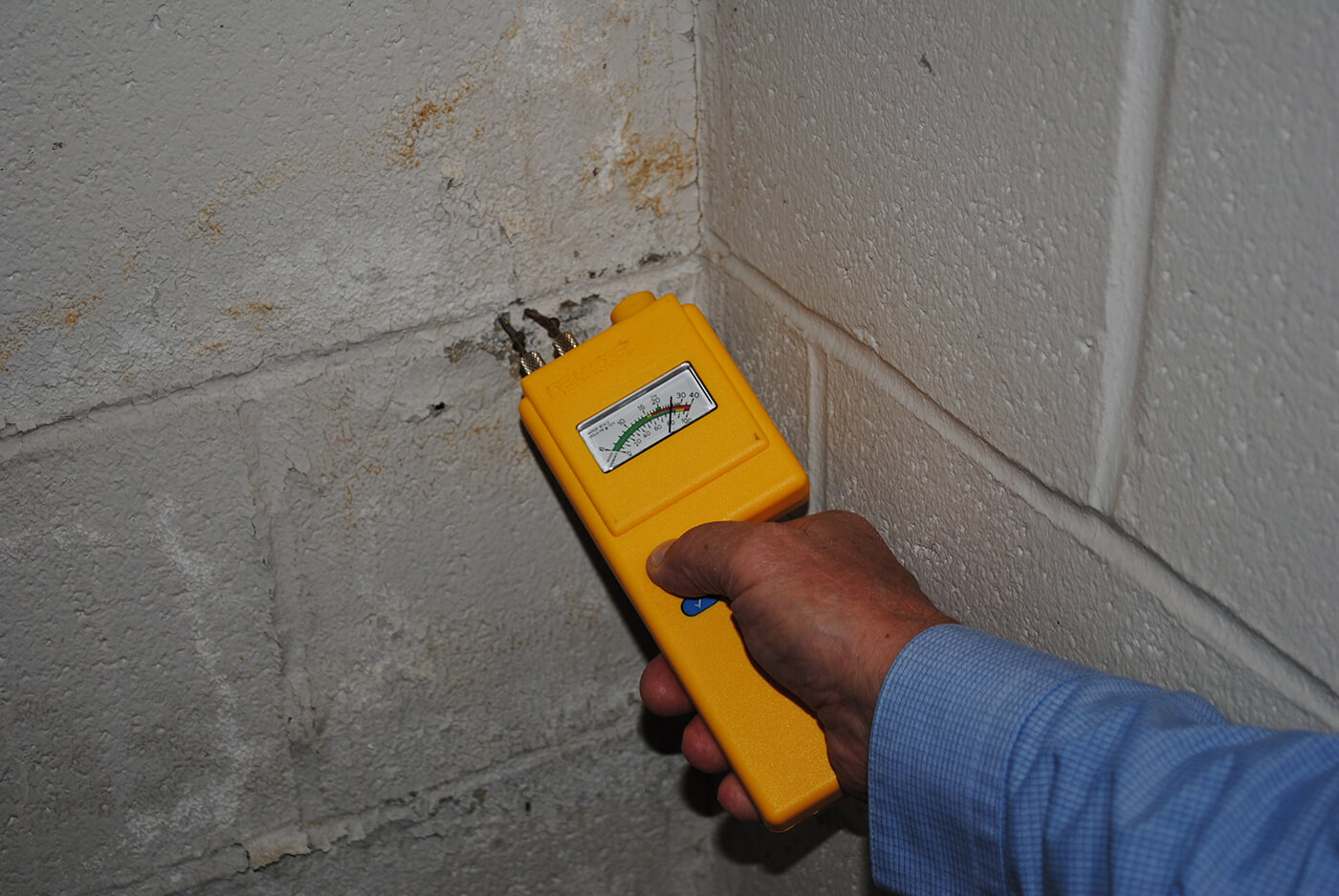
- Measuring moisture with probes is one of the most common and reliable methods.
- Moisture sensors are inserted into the concrete to record moisture levels.
- This method is suitable for spot measurements and provides accurate readings.
Moisture test kit method
- Moisture test kits are convenient and easy to use.
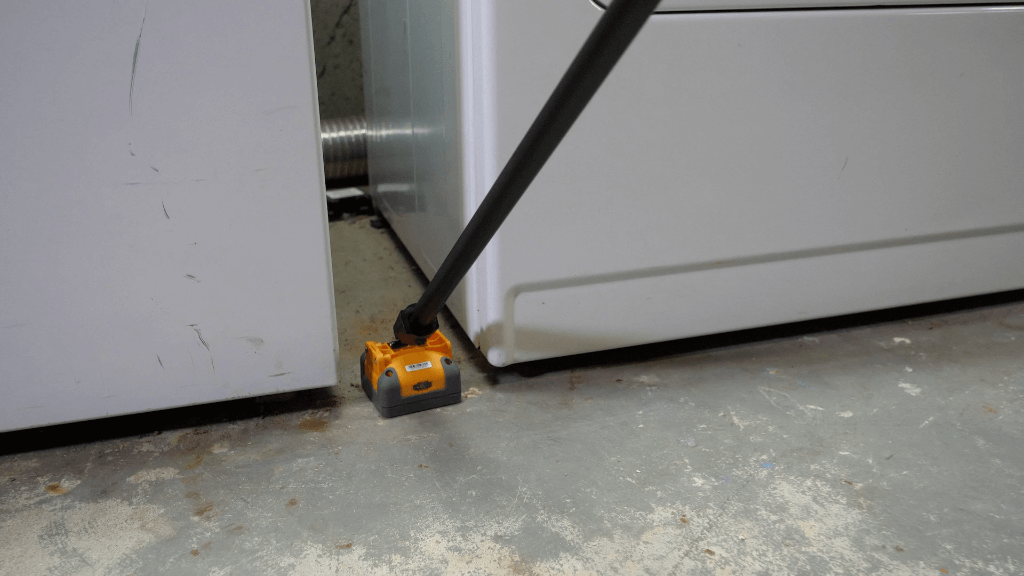
- These kits include a device that is placed on the concrete surface and detects the presence of moisture.
- They provide quick results and are mainly used to detect surface moisture.
Calcium carbide hygrometer method
- The calcium carbide hygrometer method is useful for determining moisture within concrete.
- A concrete sample is placed in a sealed container with calcium carbide, which reacts with the moisture to release gas.
- The amount of gas generated is measured and used to determine the relative humidity of the concrete.
Best practices for measuring moisture in concrete
- Take measurements at multiple locations to obtain a more accurate picture of the moisture in the concrete.
- Follow the equipment manufacturer's recommendations to ensure reliable measurements.
- Consider the concrete's curing time, as moisture can vary during this period.
- Take environmental conditions, such as temperature and relative humidity, into account, as they can influence measurement results.
- Use data management software to record and analyse measurement results over time.
- Take regular measurements to monitor changes in moisture and take the necessary action in the event of significant deviations.
- Keep a detailed record of the measurements taken, including the location, date and time, method used and results obtained.
- Train the staff responsible for taking measurements to ensure correct interpretation of the results and proper handling of the equipment.
Benefits of measuring moisture in concrete
- Early identification of problems: regular measurement of moisture in concrete allows potential problems to be detected before they develop into structural failures. This provides an opportunity to take timely corrective action, avoiding costly repair work.
- Improved durability: appropriate moisture levels in concrete are essential for its long-term durability. Measuring and controlling moisture can prevent damage caused by the expansion and contraction of the material, reducing the likelihood of cracking and premature deterioration.
- Compliance with standards and regulations: measuring moisture in concrete is an integral part of many construction industry standards and regulations. Taking appropriate measurements guarantees compliance with these requirements and ensures the quality of the structures built.
- Optimised construction schedules: knowing the moisture levels in concrete allows the construction process to be planned more effectively. This includes scheduling curing stages and the application of coatings and finishes, and avoids unnecessary delays due to moisture-related problems.
Conclusions
Measuring moisture in concrete is crucial to achieving high-quality, durable and safe structures. Do not skimp on resources or effort when carrying out this task, as the long-term benefits far outweigh the initial investment. Maintain constant moisture control and make sure you follow best measurement practices. This will put you on the right path to success in your construction projects.