
In this comprehensive article, we will explore in depth the fundamentals and processes involved in earthworks in construction. We will begin by understanding the importance of this stage and how it influences the stability and durability of structures. We will then delve into the various processes, from ground investigation to compaction and ground shaping. We will also examine the machinery used in earthworks and its role in the efficiency and precision of operations.
In addition, we will address the environmental and safety considerations that must be taken into account during this process. We will look at how to mitigate environmental impacts and ensure appropriate management of the waste generated. We will also highlight the importance of establishing workplace safety protocols to protect workers' physical wellbeing and minimise the risks associated with heavy machinery.
Whether you are a construction professional, an investor or simply someone interested in understanding the inner workings of earthworks in construction, this article will provide you with valuable, detailed information. Join us on this journey through the fundamentals and processes of earthworks in construction and discover the critical importance of this stage to the success of any construction project.
What are earthworks?
Earthworks are a fundamental stage in the construction of any project. They involve handling and moving large quantities of soil and rock to prepare the ground before structures are built. Below, we will examine the fundamentals and processes involved in earthworks, highlighting their importance to the success of any construction project.
The importance of earthworks in construction
Earthworks are essential to achieving a solid and stable base for any building. Some of the main reasons why they are important include:
- Ground preparation: before any construction begins, the ground must be properly levelled and prepared. This involves removing obstacles such as trees, rocks and vegetation, as well as levelling the ground to ensure an even surface.
- Structural stability: earthworks make it possible to create a solid and stable base for structures. Compacting and levelling the ground reduces the risks of differential settlement and structural failure, ensuring the long-term durability of buildings.
- Drainage and water control: during earthworks, efficient drainage systems can be designed to prevent problems with water accumulation. This is especially important in flood-prone areas or where precise water control is required, such as in hydraulic engineering projects.
- Space optimisation: in many construction projects, the ground needs to be modified to suit specific requirements. This may involve creating embankments, excavating or levelling to maximise the use of available space and optimise the layout of structures.
Earthworks processes
Earthworks comprise a series of processes that must be carried out precisely and carefully. The main steps involved are outlined below:
- Ground investigation: before any earthworks begin, a thorough ground investigation is essential. This involves assessing soil composition, geotechnical characteristics and the presence of potential risks, such as geological faults or ground instability.
- Planning and design: based on the results of the ground investigation, a detailed plan is drawn up defining the activities and processes needed to carry out the earthworks efficiently and safely. This includes selecting suitable machinery, the sequence of operations, and excavation and filling techniques.
- Vegetation removal and site clearance: at this stage, trees, shrubs and existing vegetation are removed from the work area. Obstacles such as rocks, rubble or other items that could interfere with earthworks operations may also be removed.
- Excavation: excavation is one of the main earthworks processes. It involves the controlled removal of soil to create voids or trenches according to the design and the project's requirements. This may include excavation for basements, foundations and pipe trenches, among others.
- Filling: once the necessary excavations have been completed, filling takes place. This process involves adding and compacting layers of soil or other suitable materials to level and stabilise the excavated ground. Proper filling is essential to ensure a firm and uniform base.
- Compaction: soil compaction is a critical step in ensuring ground stability. Compaction equipment, such as vibratory rollers or rammers, is used to increase soil density and reduce voids. This improves soil strength, preventing future settlement.
- Ground shaping: in some projects, the ground needs to be shaped to create specific profiles. This involves using techniques such as cut and fill to adjust the ground contours to meet the design requirements, creating embankments, platforms or slopes.
- Drainage and water control: throughout the earthworks process, measures must be taken to ensure adequate drainage and water control. This may include installing drainage systems, constructing channels or implementing erosion control measures to prevent water-related problems.
Machinery used in earthworks
Earthworks require specialised machinery to carry out excavation, filling, compaction and ground shaping efficiently. Some common equipment used in earthworks includes:
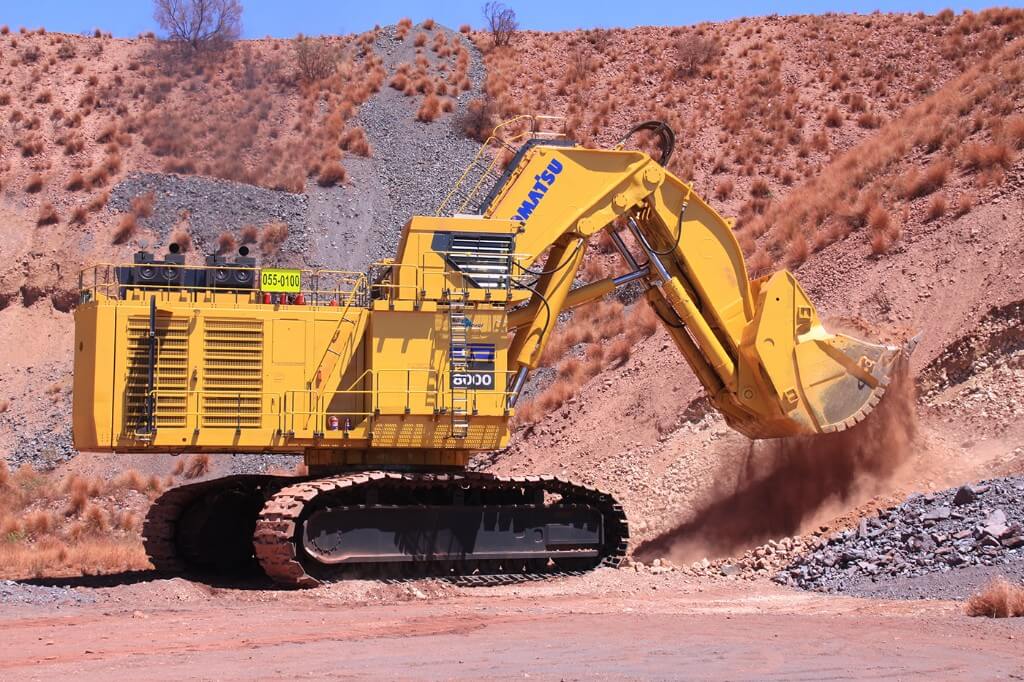
- Excavators: excavators are versatile machines used to excavate and lift large volumes of soil. They are equipped with a rotating cab and an articulated boom that allows them to reach different work areas.
- Loaders: loaders, also known as loading shovels, are used to load and transport materials such as soil, gravel or rubble. They are particularly useful in filling and levelling operations.
- Bulldozers: bulldozers are robust machines with a heavy front blade. They are used to push, level and move large quantities of earth. Their sturdy design makes them ideal for excavation and ground shaping work.
- Compaction rollers: compaction rollers are used to compact soil and achieve greater density. They may have smooth or patterned drums to suit different soil types. Vibratory rollers are particularly effective for compaction.
- Graders: graders are machines equipped with an adjustable front blade used to level and shape the ground. They are essential in the process of shaping the ground and creating specific profiles.
- Dump trucks: dump trucks are used to transport large quantities of soil, rock or other materials from the excavation site to the filling or disposal site. They are particularly useful in large-scale earthworks projects.
- Soil compactors: in addition to compaction rollers, there are smaller, more manoeuvrable soil compactors used in areas that are difficult to access. These compactors are ideal for work in confined spaces or on uneven ground.
- Drilling rigs: where drilling into the ground is required, drilling rigs are used. These tools are used to create wells, deep foundations or piles in the ground.
Environmental and safety considerations
In earthworks, it is essential to take both environmental and safety considerations into account. Some important guidelines include:
- Environmental impact assessment: before starting any earthworks project, an environmental impact assessment must be carried out to identify potential risks and take measures to minimise them. This includes protecting sensitive areas, such as wetlands or wildlife areas, and implementing measures to control erosion and stormwater drainage.
- Waste management: earthworks generate large quantities of waste, such as rubble and excavated material. It is important to implement an appropriate waste management system that includes separating, classifying and properly disposing of these materials, whether through reuse, recycling or disposal in authorised landfills.
- Workplace safety: earthworks involve the use of heavy machinery and high-risk activities. It is essential to ensure workplace safety by implementing protective measures, using personal safety equipment and providing appropriate training for machinery operators.
Conclusions
In summary, earthworks are an essential stage in the construction of any project. Their purpose is to prepare the ground, create stable bases and optimise the available space. In this article, we have explored the fundamentals and processes of earthworks, highlighting their importance and the equipment used. We have also mentioned the environmental and safety considerations that must be taken into account during this process.
Earthworks are not only crucial to construction success but also a determining factor in the long-term durability and stability of structures. Understanding the processes involved and having the right machinery can ensure efficient and safe earthworks.
From ground investigation to planning, excavation, filling and compaction, each stage of earthworks requires meticulous attention to achieve optimal results. The use of specialised machinery, such as excavators, loaders, bulldozers and compaction rollers, allows these tasks to be carried out efficiently and precisely.
In addition, it is essential to take environmental and safety considerations into account during earthworks. This involves carrying out environmental impact assessments, implementing measures to protect the natural environment and ensuring appropriate management of the waste generated. Workplace safety protocols must also be established, including the use of personal protective equipment and training for machinery operators.
In conclusion, earthworks are an essential construction process that not only prepares the ground but also ensures the stability and durability of structures. Understanding the fundamentals, the processes involved and the environmental and safety considerations makes it possible to carry out successful and efficient earthworks. With proper planning and the right machinery, a solid foundation will be established for the success of the construction project.