
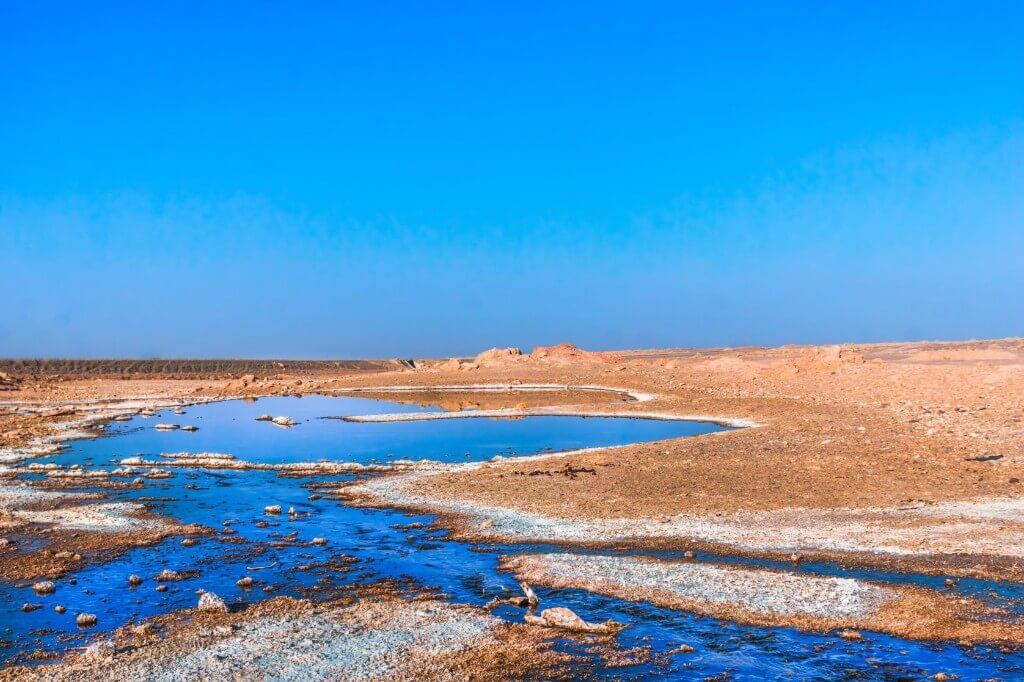
What is the water table? Definition
The water table refers to the level of groundwater present in the soil. It is the upper surface of the groundwater that fills the pores and cracks in geological materials. The water table can vary according to the season, rainfall and other environmental factors.
Measuring the water table
Various measurement methods are used to determine the water table in a given area. Some common methods include:
Observation wells
Observation wells are vertical boreholes in the ground that provide direct access to groundwater. Observation tubes are installed in the wells to measure the water level and track changes over time.
Piezometers
Piezometers are measuring instruments used to determine water pressure and levels in the soil. They consist of perforated tubes with openings at different depths. Like observation wells, piezometers provide information about the water table.
The importance of the water table in construction
The water table can have a significant impact on construction and structural stability. Below are some key aspects to consider:
Soil stability
A high water table can reduce the soil's load-bearing capacity. When soil is saturated with water, its strength decreases, and ground collapse or differential settlement can occur. Understanding the water table is fundamental to designing suitable foundations and ensuring soil stability.
Effects on foundations
The water table can directly affect a structure's foundations. If the water table is high and close to the surface, it can exert hydrostatic pressure on the foundations, potentially causing damage such as water ingress, cracks in walls and structural movement. It is essential to consider the water table when designing foundations and to take preventive measures.
Preventive measures
Various preventive measures can be taken to mitigate the effects of the water table on construction. These include:
Adequate drainage
An efficient drainage system is fundamental to controlling the water table in the construction area. This can include installing underground drainage pipes, pumping systems and water diversion channels. These measures will help keep the water table under control and prevent water from accumulating in the soil.
Waterproofing
Adequate waterproofing of foundations and structures is essential to prevent water ingress. The use of waterproof membranes, sealants and vapour barriers helps protect construction materials from moisture and reduces the risks associated with a high water table.
Appropriate foundation design
When designing foundations, it is fundamental to take the water table into account. Foundations must be properly calculated and sized to withstand hydrostatic pressure and potential differential settlement caused by a high water table. In addition, the use of water-resistant materials and appropriate construction techniques is recommended.
Continuous monitoring
Regular monitoring of the water table is essential, particularly during construction and after the structure is completed. This will help identify any changes or fluctuations in the water table and allow corrective measures to be taken promptly.
Conclusions
The water table is a crucial factor to consider in construction projects. Its influence on soil and foundation stability can have a significant impact on the durability and safety of structures. By accurately measuring the water table, implementing preventive measures and monitoring it continuously, it is possible to minimise the risks associated with a high water table.
Construction professionals must take these aspects into account and adopt appropriate measures to ensure the integrity of buildings in the presence of groundwater. If you have any questions or need advice about the water table, contact the professionals at Byond for assistance with no obligation.