
Whether you are a contractor, a property owner or simply interested in learning more about this durable and cost-effective surfacing option, you have come to the right place. Throughout this guide, we will explore the advantages of asphalt surfacing, the costs associated with it and the common problems that can arise over time.
So, let us dive in and discover why asphalt surfacing is such a popular choice for everything from heavily trafficked motorways to residential streets with light traffic.
What is asphalt surfacing?
Asphalt surfacing consists of transport surfaces constructed using a combination of asphalt and mineral aggregates. The mixture of asphalt and aggregates is laid in layers and compacted to form a solid, durable surface. Asphalt surfacing is commonly used in the construction of roads, streets, car parks and other transport surfaces.
Types of asphalt surfacing
Several types of asphalt are used in asphalt surfacing construction, each with specific characteristics and advantages. The most common types of asphalt and their characteristics are described below.
- Conventional asphalt: Also known as traditional asphalt, this is the most common type of asphalt used in asphalt surfacing construction. It consists of a mixture of bitumen and stone aggregates, and its main advantage is its low cost compared with other types of asphalt. However, it is less durable than other types of asphalt.
- Polymer-modified asphalt: This type of asphalt is produced by mixing bitumen with synthetic polymers, which increases its durability and strength. Polymer-modified asphalt is more expensive than conventional asphalt, but its service life is significantly longer. It also offers greater resistance to temperature changes and cracking.
- Porous asphalt: This type of asphalt is characterised by its ability to allow water to infiltrate through the surface. Porous asphalt is an excellent option for areas with heavy rainfall or flooding, as it reduces the risk of water accumulating on the surface. Porous asphalt is also quieter and reduces the amount of reflected heat, making it more comfortable for pedestrians and drivers.
- Rubberised asphalt: Rubberised asphalt is produced by mixing bitumen with recycled rubber from tyres. The main advantage of rubberised asphalt is its durability and resistance to cracking, making it ideal for areas with heavy traffic. Rubberised asphalt is also an environmentally friendly option, as it reduces the number of tyres discarded in landfill.
- Asphalt modified with natural asphalts: This type of asphalt is produced by mixing bitumen with natural asphalts such as shale asphalt or petroleum asphalt. Asphalt modified with natural asphalts offers greater durability and resistance to cracking than conventional asphalt. It is also more resistant to temperature changes and chemicals.
The choice of asphalt type depends on several factors, such as geographical location, climate, traffic and budget. Each type of asphalt has its own characteristics and advantages, and it is important to choose the right type to ensure the durability and safety of the asphalt surfacing.
Benefits of asphalt surfacing
Asphalt surfaces offer a range of benefits that make them a favourite choice for roads, car parks and other surfaced areas. One of their main advantages is their robustness. These surfaces are made to withstand heavy traffic and harsh weather, making them the ideal choice for high-traffic areas and climates with extreme conditions. They are also easy to repair and maintain, helping to reduce long-term costs. By investing in designed asphalt surfacing, property owners can benefit from a reliable, durable surface that requires little maintenance.
Another important advantage of asphalt surfacing is its ability to provide a smooth and pleasant ride for drivers and passengers. Unlike other surfacing materials, such as concrete, asphalt surfacing is designed to be flexible and absorb impacts. This ensures that it can help dampen noise and vibrations, providing a more pleasant driving experience for those using the surface. This flexibility also helps prevent cracks and other types of damage that can occur when surfaces are subjected to heavy loads or frequent use.
In addition to its durability and comfort, asphalt surfacing is also an environmentally friendly option. These surfaces consist of a mixture of materials, including recycled materials such as old tyres and asphalt shingles. By using recycled materials in surfacing design, asphalt surfacing reduces the amount of waste sent to landfill and helps preserve natural resources. Asphalt surfacing is also highly energy-efficient, as it requires less energy to produce and transport than many other surfacing materials.
Asphalt surfacing installation process
Asphalt surfacing construction requires precise planning and execution. The process begins with ground preparation, which involves removing any debris, rocks or vegetation. The soil is then compacted to form a stable base for the surfacing, and the civil engineering team must ensure that the subgrade meets the required specifications.
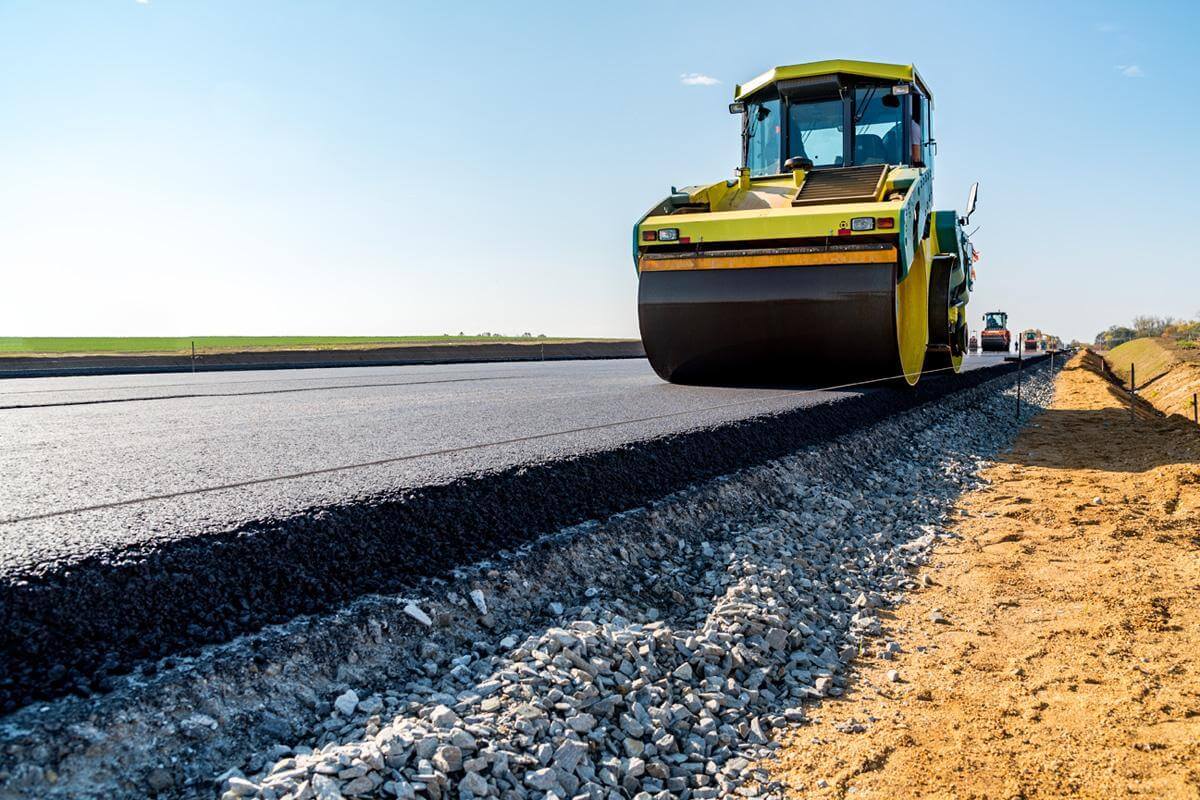
Asphalt mix design comes next, with the appropriate mix selected according to the traffic, climate and environmental conditions at the site. The next step is to transport the mix to the site and spread it over the subgrade. Once this is done, the asphalt is compacted using heavy machinery to achieve the required thickness and density.
A seal coat is then applied to protect the surface from sunlight, water and other environmental factors that could damage it. This coat not only protects the surface but also increases its skid resistance and aesthetic appeal. To ensure that the waterproofing layer is installed correctly, the civil engineering team must ensure that it meets the required specifications.
Finally, surface markings must be applied to direct traffic and improve road safety. The civil engineering team must ensure that the markings meet the necessary specifications and are visible to all road users. Proper installation requires specialised equipment and knowledgeable personnel. With appropriate planning, execution and maintenance, asphalt surfacing installation can be successful and provide a lasting result.
Asphalt surfacing maintenance
Maintaining asphalt roads is essential to ensure their longevity and avoid costly repairs. Regular maintenance can prevent problems such as cracks, potholes and erosion. Periodic inspections are an important part of maintenance, as trained experts must inspect the surface to identify potential problems before they worsen. Once these have been identified, they can develop a plan to address them and prevent further damage.
Cleaning is another important element of asphalt surfacing maintenance. Frequent cleaning can help remove dirt, debris and other materials that can damage the surface over time. This can be done by pressure washing or sweeping. A seal coat can also be applied to the surface to protect it from UV rays and other environmental factors. The professional can therefore recommend the best cleaning and sealing methods for the particular surface.
Finally, it is important to address any repairs immediately. Ignoring small problems can lead to more expensive repairs in the future. Common repairs include crack filling, patching and resurfacing. The expert can assess the severity of the problem and recommend the appropriate repair method. With consistent maintenance and repairs, asphalt surfacing can last for many years and provide a smooth, safe driving surface for drivers.
Costs associated with asphalt surfacing
When deciding on asphalt surfacing installation, costs should be an important factor to consider. The size of the works, the asphalt used and the project location can influence the expense. A thorough understanding of the associated costs is essential to develop a realistic budget and plan for the asphalt surfacing. It is also worth considering the cost of maintenance and repairs to ensure the long-term durability of the surface. With all these financial and environmental aspects in mind, an informed decision can be made about asphalt surfacing.
Asphalt surfacing installation may seem daunting at first glance, but its various advantages should not be overlooked. Asphalt is a strong, durable material that is also environmentally friendly. Its smooth surface can also improve fuel efficiency and reduce vehicle wear. By weighing up the pros and cons of asphalt surfacing, it is possible to make a prudent decision that is both financially and environmentally sound.
Common problems with asphalt surfacing
Asphalt surfaces are a popular choice for roads and paths because of their longevity and affordability. Unfortunately, like any other construction material, asphalt can experience a range of problems that can impair its performance and service life. One of these is cracking, which can be caused by various factors, such as heavy traffic, temperature variations and inadequate construction techniques. Cracks can also allow water to seep into the surfacing, causing further damage and deterioration over time. To avoid these problems, proper installation practices and regular maintenance are necessary to ensure a long surface life.
Potholes are another common problem with asphalt surfacing, usually caused by the expansion and contraction of the surface due to temperature changes, as well as wear from heavy traffic. Potholes can pose a serious safety hazard, particularly for cyclists and motorcyclists, and can also damage vehicles and increase maintenance costs for road authorities. Periodic inspections and prompt repairs should therefore be carried out to prevent potholes from forming and ensure that the road remains safe and functional for all users.
Asphalt surfacing is also vulnerable to rutting, which is the formation of depressions or grooves in the surface. Rutting can be caused by heavy traffic, inadequate drainage and improper construction practices. This can make the road surface uneven and difficult to travel on, as well as increasing the risk of accidents and vehicle damage. To counter this, proper design and construction practices should be implemented, together with regular maintenance and repairs, to prevent rutting and extend the service life of the surface.
Asphalt surfacing can also suffer from oxidation, discolouration and loss of skid resistance over time due to exposure to UV radiation, weathering and other environmental factors. Periodic maintenance and the application of protective coatings are therefore necessary to prevent these problems and ensure that the surface remains safe and usable for all users. By being aware of these common problems and taking the necessary steps to prevent or resolve them, road authorities and property owners can ensure the longevity of their asphalt surfaces and secure safe, reliable roads for many years.
Challenges in asphalt surfacing construction
Although asphalt surfacing has many benefits, its construction also presents some challenges. Some of these challenges include:
- Climate: Weather conditions can affect asphalt quality and compaction effectiveness.
- Drainage: Asphalt surfacing must be designed to allow proper rainwater drainage and prevent water accumulation.
- Material quality: The quality of the materials used in asphalt surfacing construction can affect the durability and quality of the surface.
- Maintenance: Although asphalt surfacing is easy to maintain, regular maintenance is essential to ensure durability and safety.
Important considerations in asphalt surfacing construction
To ensure the quality and durability of asphalt surfacing, it is important to consider the following during construction:
- Proper design: Proper asphalt surfacing design is essential to ensure the durability and safety of the surface. The design must take into account factors such as expected traffic, climate and ground conditions.
- Material selection: Selecting high-quality materials is fundamental to ensuring the durability of asphalt surfacing. Materials must meet industry specifications and standards.
- Site preparation: Proper site preparation is essential to ensure the quality of asphalt surfacing. The surface must be clean and free of debris, and the soil must be compacted and levelled.
- Proper compaction: Proper compaction of the asphalt and aggregates is essential to ensure the durability and strength of asphalt surfacing. Compaction must be carried out using appropriate equipment and in accordance with industry specifications.
- Regular maintenance: Regular maintenance is essential to ensure the durability and safety of asphalt surfacing. Repairs must be carried out promptly, and the surface must be cleaned and sealed regularly.
Conclusions
In summary, asphalt surfacing is an excellent option for roads, carriageways and other surfaces that require durability and longevity. With a wide variety of options available, including different types of asphalt mixes and installation techniques, it is easy to find a solution that suits your needs and budget.
Although there are some common problems with asphalt surfacing, such as cracking and discolouration, regular maintenance can help prevent these problems and extend the life of your surface. Overall, investing in asphalt surfacing is a smart choice for anyone looking to create a strong, reliable surface for their roads and paths.