
In this article, we will explore in detail what permeable surfacing is, its benefits, the different types available and its applications in various settings. We will also provide advice on the proper maintenance of this type of surfacing. Discover how permeable surfacing has become a sustainable and effective solution for optimising water management in construction.
What is permeable surfacing?
Permeable surfacing, also known as permeable paving or porous surfacing, is an innovative solution used in construction for efficient rainwater management. Unlike conventional surfacing, permeable surfacing allows water to filter through its surface, preventing puddles from forming and avoiding the risk of flooding.
Benefits of permeable surfacing
The use of permeable surfacing offers numerous benefits for both the environment and construction projects. Some of its most notable advantages are:
- Efficient water drainage: permeable surfacing allows rainwater to infiltrate through its pores, preventing puddles from forming and reducing the load on drainage systems.
- Flood prevention: by facilitating water infiltration, permeable surfacing helps prevent flooding by reducing the amount of water flowing into sewer systems.
- Aquifer recharge: permeable surfacing enables underground aquifers to recharge by allowing water to filter through naturally.
- Reduced heat stress: thanks to its permeability, permeable surfacing helps reduce the heat island effect in urban areas by dissipating accumulated heat.
- Improved water quality: by filtering water through its surface, permeable surfacing retains sediment and reduces the amount of pollutants reaching bodies of water.
Types of permeable surfacing
There are different types of permeable surfacing, each with specific characteristics and applications. Some of the most common options are:
- Porous concrete surfacing: this type of surfacing consists of a concrete mix with a low coarse aggregate content, allowing water to infiltrate through its pores.
- Permeable block paving: permeable paving blocks are designed with gaps between them that allow water to pass into the ground.
- Porous asphalt surfacing: porous asphalt consists of a mixture of asphalt and aggregates with pores that allow water to drain.
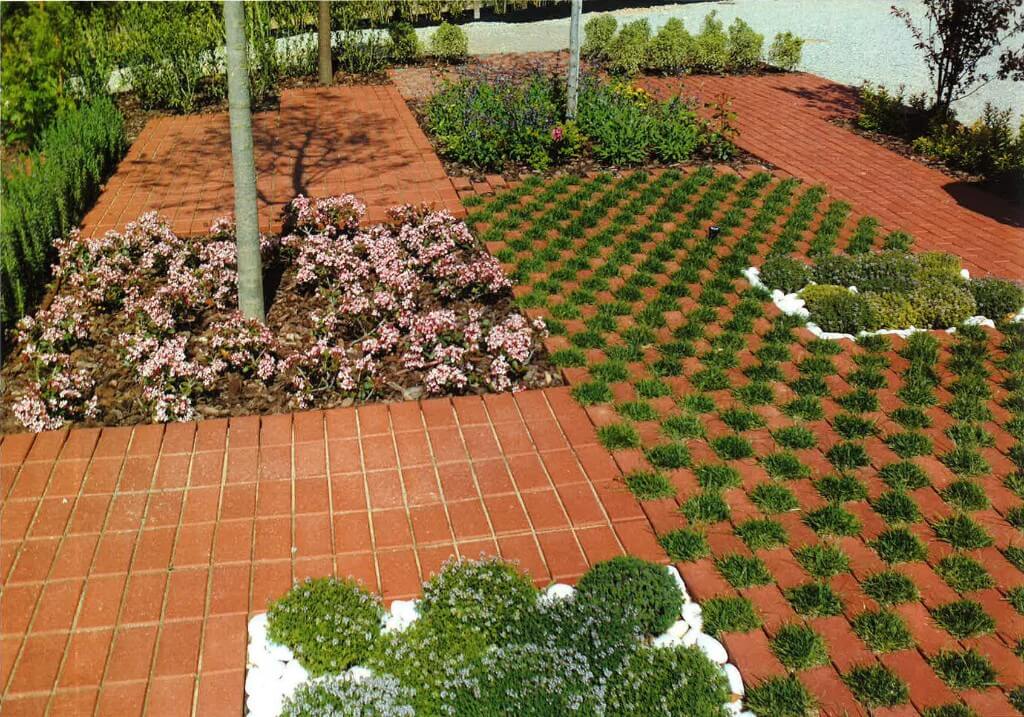
- Permeable grass paving: this option combines paved areas with grass surfaces that allow water infiltration.
Applications of permeable surfacing
Permeable surfacing is used in a wide range of applications in both urban and rural areas. Some examples of its use are:
- Pedestrian paths and cycleways: permeable surfacing is ideal for pedestrian paths and cycleways, as it prevents puddles from forming and reduces the risk of slips and falls.
- Car parks: car parks with permeable surfacing allow efficient rainwater drainage, preventing puddles from forming and improving user safety.
- Patios and recreational areas: in outdoor spaces such as patios and recreational areas, permeable surfacing provides a safe, puddle-free surface, allowing people to enjoy outdoor activities even after rain.
- Residential and commercial areas: the use of permeable surfacing in residential and commercial areas helps reduce the risk of flooding in streets and public spaces, improving quality of life for residents and visitors.
- Sports areas: on sports courts, permeable surfacing ensures a dry and safe playing surface, preventing water accumulation that could affect athletes' performance.
Maintenance of permeable surfacing
Despite its numerous benefits, permeable surfacing requires proper maintenance to ensure its efficiency and durability over time. Some maintenance recommendations are:
- Regular cleaning: it is important to keep permeable surfacing free of leaves, debris and sediment that could block its pores and affect its drainage capacity. A broom or sweeping machine can be used to remove debris.
- Periodic inspection: carry out regular inspections of permeable surfacing to identify any damaged areas, subsidence or sediment accumulation. Any problems found should be repaired promptly.
- Pore cleaning: if the pores of permeable surfacing become blocked with sediment or dirt, thorough cleaning using pressurised water or specialist equipment is recommended to ensure it functions properly.
- Material replacement: if permeable surfacing has suffered significant damage or wear, the material may need to be replaced to maintain its drainage capacity.
- Maintenance of green areas: for permeable surfacing that includes green areas, proper grass maintenance, such as watering, mowing and fertilising, is important to ensure its health and functionality.
Conclusions
Permeable surfacing is an efficient and sustainable solution for water management in construction. Its benefits include efficient water drainage, flood prevention, aquifer recharge, reduced heat stress and improved water quality. There are different types of permeable surfacing, and it is used in various areas such as pedestrian paths, car parks, patios, residential areas and sports areas. Proper maintenance is essential to ensure its long-term functionality.