
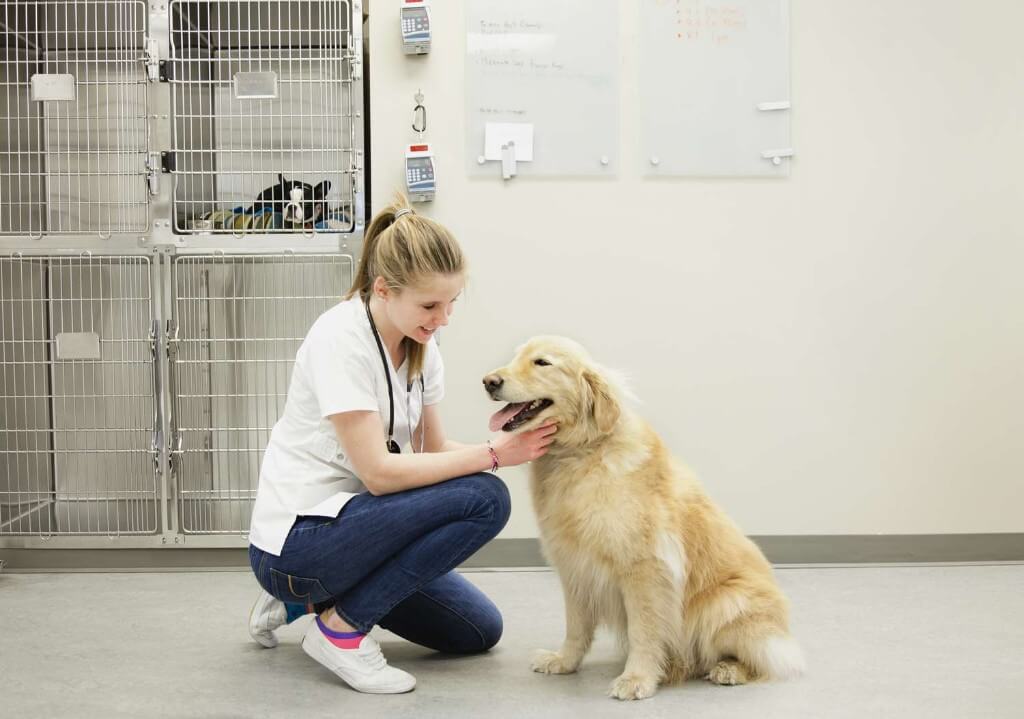
By taking into account factors such as constant traffic, chemical resistance and ease of cleaning, it is possible to create an optimal environment for animal welfare.
Below, we present a comprehensive guide to help you make informed decisions about the most suitable flooring and floors for your veterinary clinic.
Factors to consider when choosing flooring for veterinary clinics
Before deciding on the type of flooring for your veterinary clinic, it is essential to analyse various factors that will affect its performance and durability:
Safety and grip
Safety is paramount in an environment where frightened or recovering animals may be moving around. Choose slip-resistant surfaces that reduce the risk of slips and falls for both pets and staff.
Chemical resistance
Veterinary clinics require constant cleaning with disinfectants and chemicals. Choose flooring that can withstand these substances without deteriorating or sustaining damage.
Hygiene and ease of cleaning
Keeping a veterinary clinic clean is essential to preventing the spread of disease. Choose smooth, non-porous surfaces that can be easily cleaned and disinfected.
Durability and wear resistance
Constant traffic from furry patients and people can quickly wear down unsuitable flooring. Look for durable materials that withstand intensive use over time.
Comfort for animals and staff
Consider flooring that provides a comfortable surface for animals during their stay at the clinic. In addition, ergonomic flooring can reduce fatigue among staff who spend long hours standing.
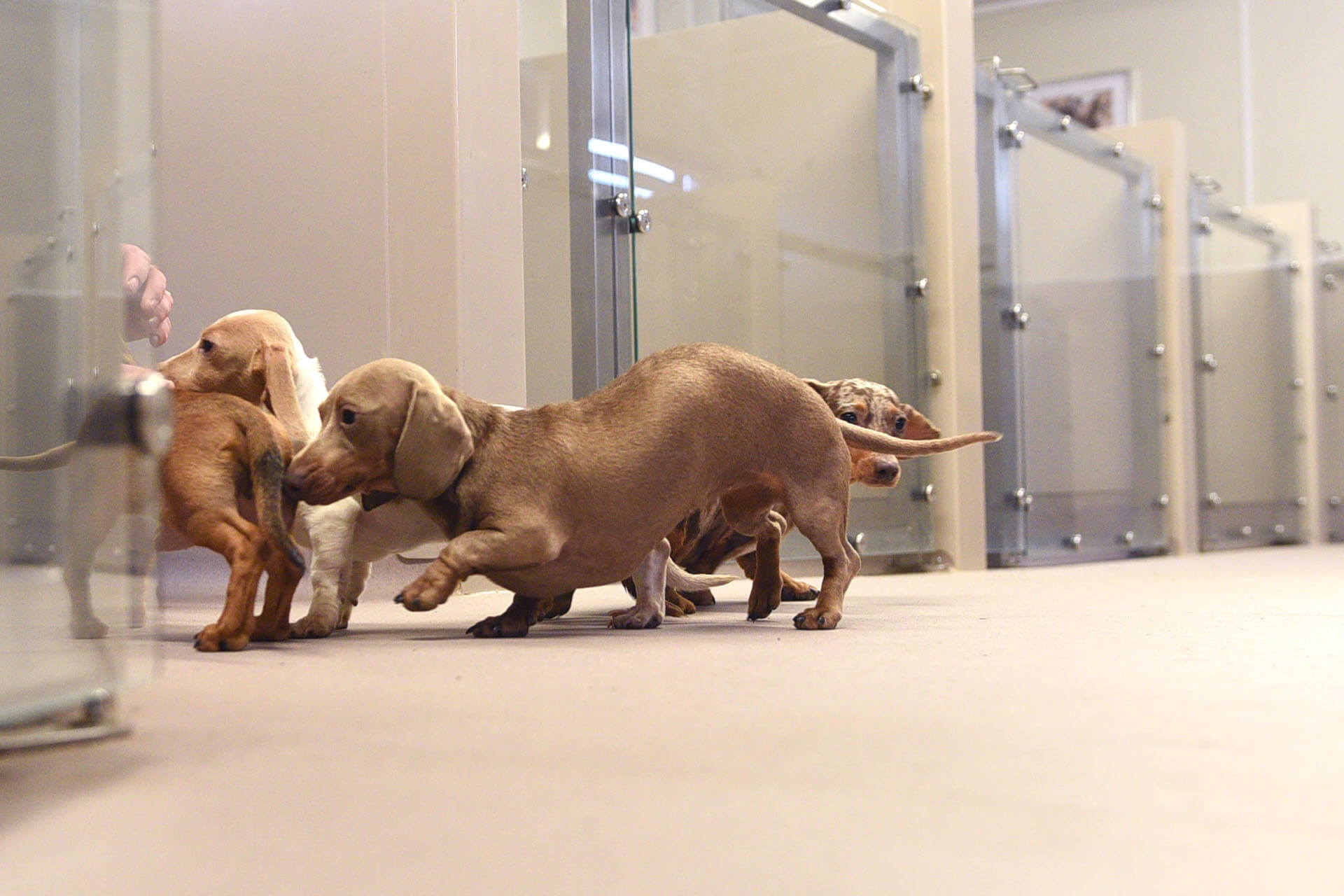
Popular flooring options for veterinary clinics
Below, we present some of the most popular flooring options used in veterinary clinics, each with its advantages and disadvantages:
Epoxy flooring
Epoxy flooring is a durable, chemical-resistant option. It is easy to clean and maintain, as well as being highly customisable in terms of colours and patterns. However, it can be more expensive to install, and glossy surfaces can be slippery when wet.
Polished concrete
Polished concrete is a modern, stylish option that has become popular in veterinary clinics. It is easy to clean, hard-wearing and reflects light well, which can improve lighting in the space. However, it can feel cold and be hard on joints unless an additional layer of softer material is laid.
Vinyl tiles
Vinyl tiles are a versatile, economical option for veterinary clinics. They come in a wide variety of designs and are easy to install and maintain. However, they can be less durable than other materials and require more frequent replacement in high-traffic areas.
Rubber tiles
Rubber tiles are known for their excellent abrasion and impact resistance. They are also slip-resistant and comfortable for animals. However, their installation can be more expensive and complicated, and they can absorb odours over time if not properly maintained.
Polyurethane flooring
Polyurethane floors are ideal for veterinary environments, as they are waterproof, chemical-resistant and very durable. They also provide a comfortable walking surface and reduce noise. However, their installation may require more meticulous preparation and, in some cases, an additional coating to resist scratches.
Maintenance and care
Regardless of the type of flooring you choose, proper maintenance is essential to ensuring the floor's longevity and hygiene. Here are some general recommendations:
- Establish a regular cleaning and disinfection schedule to eliminate bacteria and germs.
- Avoid using cleaners containing harsh chemicals that could damage the flooring over the long term.
- Use entrance mats to minimise the amount of dirt and gravel brought in that could scratch or damage the surface.
- Carry out periodic inspections to detect any damage or early wear and address it in good time.
- If the flooring has damaged or worn areas, replace or repair the affected sections as soon as possible.
- Train staff in proper cleaning and spill management to prevent accidents and maintain hygiene on the premises.
- Place protective pads beneath heavy furniture to avoid marks on the flooring.
Special considerations for specific areas
A veterinary clinic has different areas with specific needs that require particular types of flooring:
Operating theatres and surgery rooms
These critical areas need highly hygienic, chemical-resistant flooring. Epoxy or polyurethane flooring is an excellent option thanks to its ease of cleaning and durability.
Examination and consultation rooms
For these areas, it is important to choose slip-resistant flooring that is comfortable for pets, such as rubber or vinyl, which will reduce stress in animals during examinations.
Reception and waiting areas
In these high-traffic areas, polished concrete or polyurethane can be attractive options, as they are hard-wearing and easy to clean while maintaining a modern, welcoming appearance.
Washing and cleaning areas
These areas need flooring that is resistant to water and cleaning products, such as polyurethane or polished concrete, to facilitate cleaning and maintain hygiene.
Benefits of choosing suitable flooring for veterinary clinics
Choosing suitable flooring for your veterinary clinic offers multiple benefits:
- Safety: slip-resistant flooring reduces the risk of falls for both pets and staff.
- Hygiene: surfaces that are easy to clean and disinfect prevent the spread of disease.
- Durability: flooring that resists wear and chemicals has a longer service life and requires less frequent replacement.
- Comfort: floors that are comfortable for animals and staff reduce fatigue and improve the overall experience at the clinic.
- Professional image: suitable flooring can improve the clinic's overall appearance and convey a more professional, caring image.
Conclusions
In summary, choosing suitable flooring and floors for a veterinary clinic is essential to ensuring safety, animal welfare and hygiene on the premises. Factors to consider include safety, chemical resistance, ease of cleaning, durability and comfort. There are various flooring options, such as vinyl and rubber tiles, epoxy, polyurethane and polished concrete, each with its advantages and disadvantages depending on the needs of each area of the clinic.
In addition, maintaining a regular cleaning and care schedule is essential to preserving the quality of the flooring and extending its service life. By selecting suitable flooring, you can offer a safe, hygienic and comfortable environment for your furry patients and ensure a positive experience for both them and your team.