
What is watertightness testing?
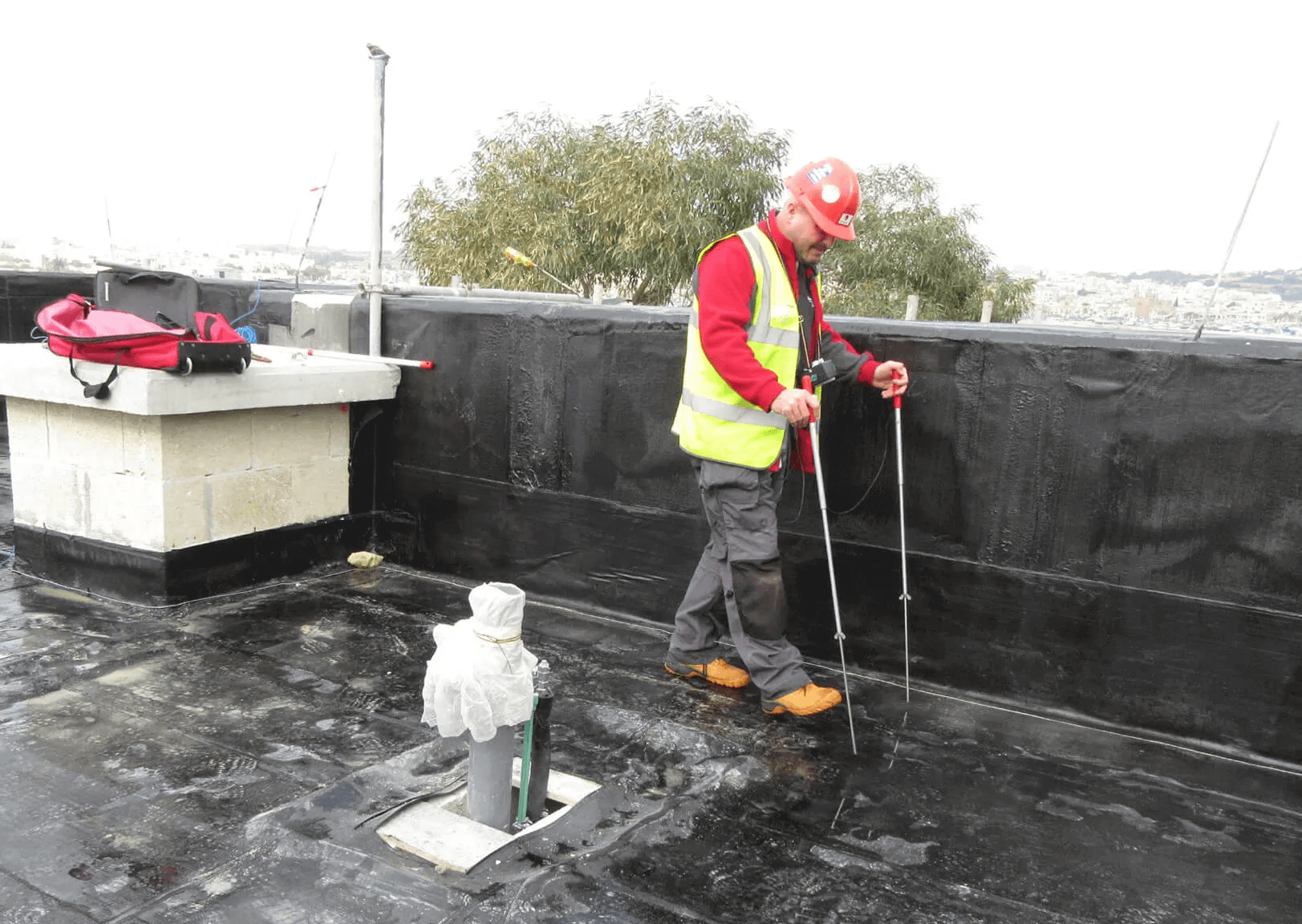
Watertightness testing consists of procedures carried out during construction to assess the resistance of a structure or component to the ingress of water or liquids. These tests are particularly relevant to roofs, as they are exposed to adverse weather conditions and must be waterproof to prevent leaks and long-term damage.
Watertightness testing is carried out to verify whether a roof meets the required quality standards and can resist water ingress under normal conditions or during heavy rainfall. These tests can be performed during construction or before the final handover of the project.
Common watertightness testing procedures
Various methods and techniques are used to carry out watertightness testing on roofs. Some common procedures include:
- Visual inspection: this involves a visual assessment of the roof to identify potential problem areas, such as cracks, loose joints or deteriorated seals. The aim is to detect any vulnerable points where water leakage could occur.
- Moisture testing: in this test, water is sprayed onto the roof surface to check for leaks or points of water ingress. It is carried out both under normal conditions and during simulated rainfall, using sprinkler systems or hoses.
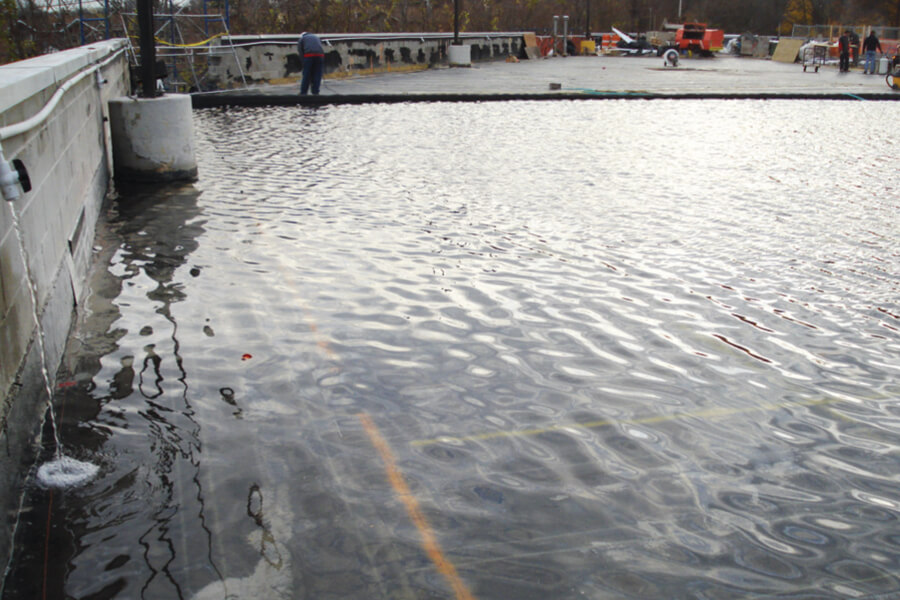
- Flood testing: this test involves flooding the roof with a specific quantity of water and monitoring it for a set period. The aim is to detect any water loss or leakage in the structure by observing possible leaks or changes in the water level.
- Air pressure testing: in this test, controlled air pressure is applied to the roof to assess its resistance to infiltration. Specialised equipment is used to measure the pressure and detect possible leaks or seepage.
- Ink or dye testing: in this method, inks or dyes are applied to the roof surface to observe whether they seep through cracks, openings or weak points in the seals. This helps to visually identify potential problem areas that require attention.
Key considerations for watertightness testing
To ensure the effectiveness of roof watertightness testing, it is important to consider the following aspects:
- Qualified professionals: it is essential to have trained and experienced personnel carry out watertightness testing. This ensures that procedures are performed correctly and results are interpreted accurately.
- Appropriate construction stage: watertightness testing must be carried out during construction or before the final handover of the project. This allows any defects or irregularities to be corrected before the roof is fully completed, avoiding the need for costly remedial work later.
- Regulations and standards: it is essential to comply with the building regulations and standards established by local authorities or regulatory bodies. This ensures that watertightness testing is carried out in accordance with specific industry requirements and produces reliable results.
- Regular maintenance: once the roof has passed watertightness testing, it is important to carry out regular maintenance to ensure it remains watertight and to prevent future problems. This includes periodic inspections, cleaning drains and checking seals.
- Use of quality materials: using quality materials in roof construction is essential to achieve adequate watertightness. The sealants, waterproofing materials and other products used must be reliable and certified to ensure their long-term effectiveness.
- Integration with other building elements: roof watertightness is closely related to other building elements, such as drains, joints and junctions with walls and windows. It is important to ensure proper integration between these elements to avoid vulnerable points where water leakage could occur.
Why is watertightness testing important?
Watertightness testing is vitally important in roof construction for the following reasons:
- Leak prevention: the main function of roofs is to protect building interiors from water and moisture ingress. Watertightness testing ensures that the roof is waterproof and properly sealed, preventing leaks that could damage the structure and internal elements, such as ceilings, walls, floors and electrical systems.
- Structural durability: water leaks can cause significant structural damage over time. Water ingress can weaken construction materials, cause corrosion in metal elements and compromise the overall integrity of the roof. Watertightness testing helps to identify and correct potential weak points, ensuring a strong and durable structure.
- Avoiding costly repairs: leaks and damage caused by water ingress often require costly repairs. In addition to direct repair expenses, there may also be additional costs due to disruption of activities in the building, replacement of damaged elements and loss of stored products or goods. Watertightness testing enables problems to be detected and resolved before they become costly issues.
- Compliance with regulations and standards: buildings must comply with regulations and standards established by local authorities and regulatory bodies. Watertightness testing forms part of these requirements, ensuring that the roof meets the established quality and safety standards. Compliance with these regulations is essential to avoid legal penalties and ensure the protection of people and property.
- Quality assurance: carrying out watertightness testing on roofs is a way of ensuring construction quality. These tests allow the effectiveness of the materials used, installation methods and sealing systems to be assessed. Ensuring that the roof is waterproof provides peace of mind for building owners and users, offering a safe and comfortable environment.
Conclusions
Roofs are elements exposed to extreme weather conditions and must resist water ingress to avoid problems such as leaks and moisture build-up. Watertightness testing is essential to ensure that roofs are watertight and meet the required quality standards. In addition, a well-sealed roof extends the service life of the structure and avoids costly repairs in the future.