
What is resurfacing?
Resurfacing is the process of renewing and improving the surface layer of a road, street or other road infrastructure. Over time, road surfaces can deteriorate due to constant traffic, weather conditions and other factors. Resurfacing aims to repair existing damage and provide a new layer of asphalt or another suitable material, thereby improving the quality and durability of the surface.
The importance of resurfacing
Resurfacing plays a fundamental role in maintaining road infrastructure. Some of the key reasons why resurfacing is important are as follows:
Road safety
Roads in poor condition can pose a danger to drivers and pedestrians. Proper resurfacing ensures a smooth, safe surface, reducing the risk of accidents and improving the driving experience.
Durability
Resurfacing helps extend the service life of roads and streets. Addressing problems such as cracks, potholes and general deterioration strengthens the surface structure and prevents further damage in the long term.
Transport efficiency
A road surface in good condition allows more efficient driving, reducing journey times and fuel consumption. Resurfacing helps maintain smoothly operating, functional road infrastructure, improving traffic flow.
Aesthetic value
Resurfacing not only improves the functionality of roads but also has a positive aesthetic impact. A renewed, well-maintained road surface adds value to urban areas and improves the visual appearance of communities.
The resurfacing process
The resurfacing process involves several stages, including:
Initial assessment
Before any resurfacing work begins, a thorough assessment of the road surface is carried out. This involves inspecting and measuring the current condition of the road, identifying damaged areas and determining the appropriate materials and methods for resurfacing.
Site preparation
At this stage, preliminary tasks are carried out, such as cleaning the surface, removing obstacles and preparing the area for resurfacing. Minor repairs may also be carried out on underlying structures, such as drains and pavements.
Application of the new material
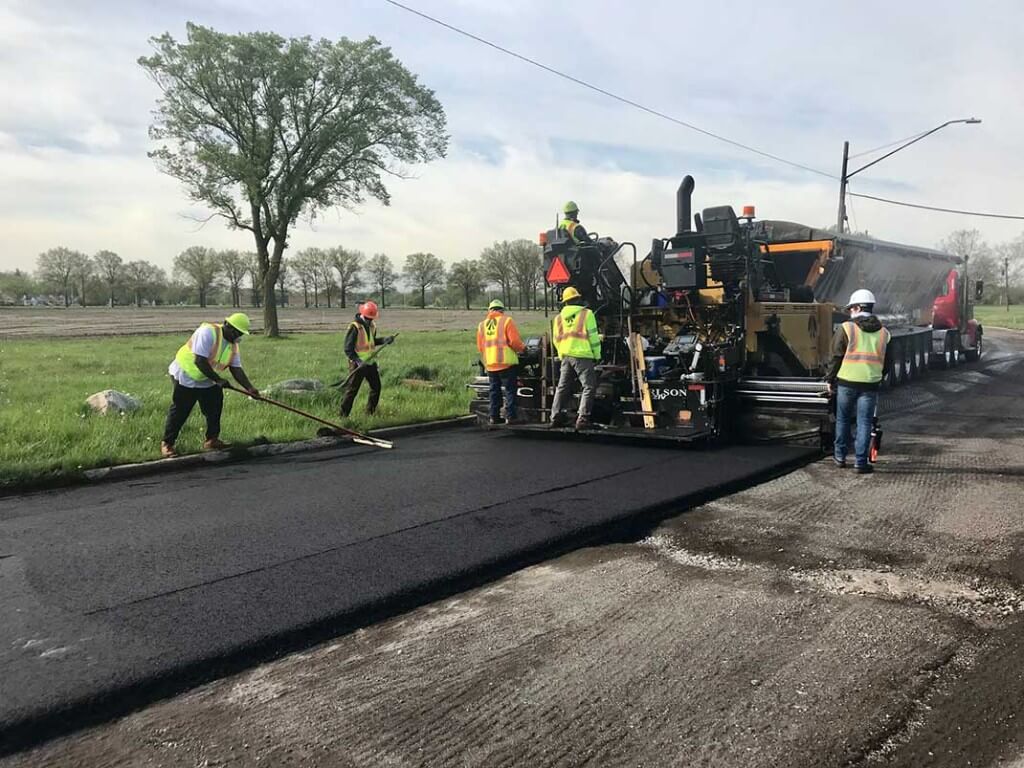
Once the site is prepared, the new resurfacing material is applied. The material used may be hot-mix asphalt, concrete, modified surfacing mixes or any other appropriate material depending on requirements and local conditions. This material is applied evenly over the existing surface using specialised machinery such as pavers and compactors.
Compaction and levelling
After the new material has been applied, appropriate compaction and levelling are carried out to ensure an even, strong surface. This is achieved using compaction rollers, which press and compact the material to eliminate air pockets and achieve greater density.
Markings and signage
Once resurfacing is complete, it is essential to provide the road with the correct markings and signage. This includes painting lane markings, pedestrian crossings and traffic symbols, as well as installing appropriate traffic signs and safety devices to guide drivers safely.
Tips for successful resurfacing
Below are some tips and best practices to bear in mind for successful resurfacing:
Proper planning
Proper planning is essential to ensure efficient, high-quality resurfacing. This involves assessing the specific needs of the project, considering factors such as weather, traffic and budget, and establishing a realistic schedule.
Selecting quality materials
Choosing the right materials for resurfacing is crucial. It is important to use high-quality materials that are durable and resistant to local weather conditions. Considering sustainable and environmentally friendly material options can also be beneficial.
Hiring skilled professionals
Having a team of skilled professionals with experience in resurfacing is fundamental. These experts have the knowledge and experience needed to carry out the process efficiently while meeting quality and safety standards.
Regular maintenance
Once resurfacing has been completed, it is important to implement a regular maintenance programme. This involves conducting periodic inspections, repairing minor damage promptly and carrying out preventive maintenance tasks to extend the service life of the resurfaced area.
Conclusion
Resurfacing is a fundamental process for renewing and strengthening road surfaces. Proper resurfacing improves road safety, increases road durability, promotes transport efficiency and adds aesthetic value to communities. Following the tips and best practices mentioned can help achieve successful resurfacing. Remember to plan properly, select quality materials, hire skilled professionals and maintain the resurfaced area regularly. These steps can ensure durable, high-quality resurfacing.
Resurfacing is an important investment in maintaining and improving road infrastructure. Carrying out this process properly can prevent future problems and extend the service life of roads and streets. In addition, a road surface in good condition contributes to user safety and improves the driving experience.