
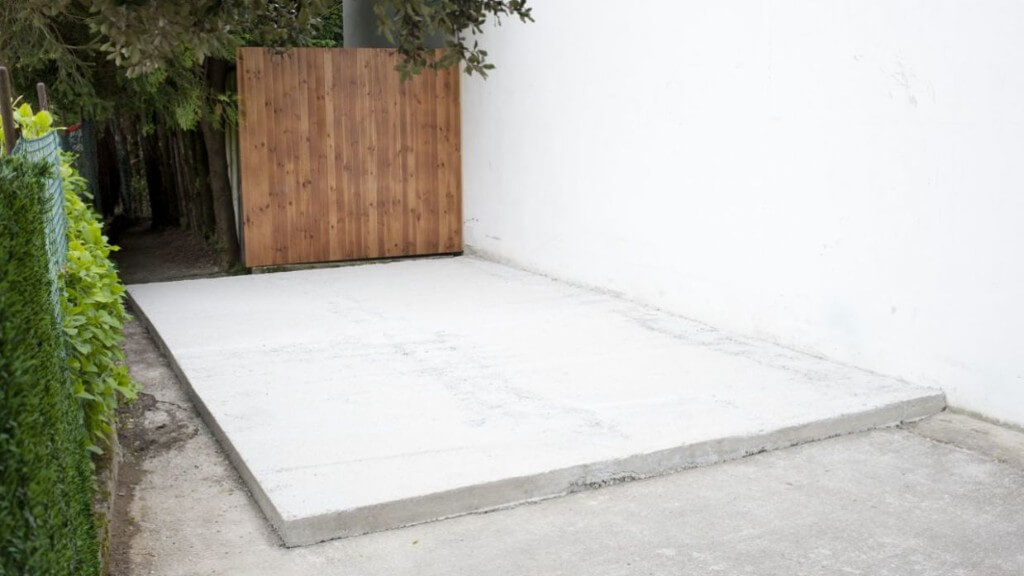
What are concrete slabs?
Concrete slabs are a layer of cement laid over the ground to create a stable, level base for a building structure. Slabs are made by pouring a concrete mix onto the ground and then levelling and smoothing it to create an even, flat surface. Concrete slabs are essential for constructing buildings, patios and driveways, as they provide a solid, stable surface to build on.
Why should you choose a concrete slab for your construction project?
The advantages of concrete slabs include the following:
Durability
Concrete slabs are incredibly durable and abrasion-resistant, making them ideal for any construction project. Unlike other flooring materials, such as wood or vinyl, concrete slabs can withstand the weight and traffic of people and vehicles without suffering damage. Concrete is also weather-resistant, making it ideal for outdoor use.
Low maintenance
Concrete slabs are extremely easy to maintain and require very little upkeep. Unlike other flooring materials, such as wood or vinyl, concrete slabs do not need painting or sealing, saving time and money in the long term. Concrete also does not warp or expand with temperature changes, making it more resistant to cracking and deformation than other flooring materials.
Cost
Concrete slabs are an extremely economical option compared with other flooring materials such as wood or marble. Their low long-term maintenance costs also make concrete slabs an affordable and cost-effective option for any construction project.
Versatility
Concrete slabs are not only used for indoor and outdoor floors, but can also be used to construct walls and other structures. Concrete is a highly versatile material that can be moulded and shaped to suit a wide variety of projects. It can also be used to create a variety of textures and finishes, making it even more versatile.
Customisation
One of the most interesting advantages of concrete slabs is that they can be customised to suit any design or style. Concrete can be stained in a wide variety of colours and stamped with custom patterns and designs, allowing a variety of decorative effects to be created. Concrete slabs can also be polished to create a smooth, glossy surface, adding a touch of elegance to any space.
Cost savings
Concrete slabs are an extremely economical option compared with other flooring materials such as wood or marble. Their low long-term maintenance costs also make concrete slabs an affordable and cost-effective option for any construction project. Concrete is also a very durable, hard-wearing material, meaning you will not have to replace your floor as often as you would with other flooring materials.
Ease of installation
Installing concrete slabs is relatively quick and straightforward compared with other flooring materials. Laying a concrete slab begins with excavating the ground and preparing the base. The concrete mix is then poured onto the base and levelled to create an even, flat surface. Once it has been allowed to dry and set properly, construction of the structure on the slab can begin.
Fire resistance
Concrete is a fire-resistant material, meaning it is less likely to burn or melt in a fire. This is particularly important when constructing structures that must comply with fire safety and protection codes. Concrete slabs can provide an additional layer of fire protection in any building.
Moisture resistance
Concrete slabs are highly resistant to moisture, making them ideal for areas with high humidity or those prone to flooding. Concrete does not rot or corrode, meaning it can withstand prolonged exposure to moisture without suffering damage. This also makes it a popular choice for garages or basements where moisture is a problem.
Thermal comfort
Unlike other flooring materials, such as ceramic or stone, concrete has a high heat capacity, meaning it can store and release heat slowly. This can help maintain a comfortable room temperature and reduce heating and cooling costs.
Sustainability
Concrete is a sustainable and environmentally friendly material. The cement used in the concrete mix is produced from natural materials such as clay and limestone. Concrete can also be recycled and reused in other construction projects, reducing waste and promoting sustainability.
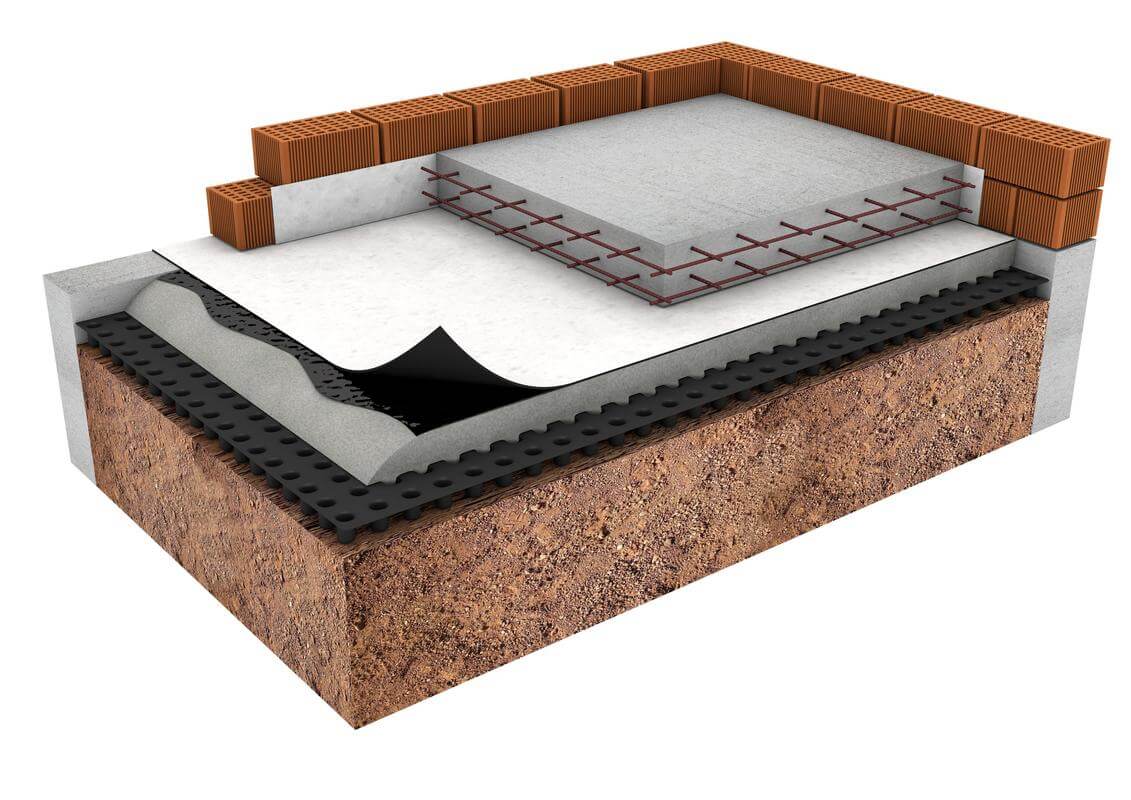
Types of concrete slabs
To understand all the options available when laying a concrete slab, it is important to consider the different types. Below, we present some of the most common:
Polished concrete
This type of slab is very strong and hard, yet also decorative and versatile, making it ideal for industrial settings such as industrial buildings.
Float-finished concrete
Commonly used for sports courts and garages, it is straightforward to install in just three steps. Although of lower quality than polished concrete flooring, its smooth surface is easy to maintain and clean.
Stamped concrete
Perfect for outdoor use, such as driveways or patios, it can replicate different textures, such as cobblestones or tiles, using stencils or moulds. This type of slab offers striking aesthetic results, is easy to clean and maintain, and can be treated with resin every 3-4 years for additional care.
How to lay a concrete slab step by step
To lay a concrete slab, simply follow these steps:
Marking out the area
First, mark out the area and excavate it to a depth of 20 cm, installing formwork made from wooden planks secured with metal or wooden stakes. Then lay a geotextile membrane to prevent roots from affecting the slab.
Laying the slab
Next, pour a 10 cm layer of gravel and spread it with a rake so that it is compacted and flat, to prevent damp and provide drainage. A layer of sand can be added to give the base greater stability. Water generously to help the sand penetrate.
Then position the steel mesh, which is the steel reinforcement that will give the concrete greater strength and prevent it from cracking. Pour the concrete and smooth it with a straightedge or trowel, levelling the slab to the required height and removing excess material.
Wait at least 28 days before removing the formwork. During this time, protect the slab from extreme temperatures, watering the surface in hot weather and covering it with plastic in cold weather. Finally, fill any gaps with soil.
Conclusion
In summary, concrete slabs are an excellent choice for any construction project requiring a solid, stable base. They are durable, easy to maintain, versatile and economical, making them a popular choice among builders and homeowners. Concrete can also be customised to suit any style or design, making it even more attractive as a flooring option. With all these advantages, concrete slabs are a smart investment for any home or construction project.