
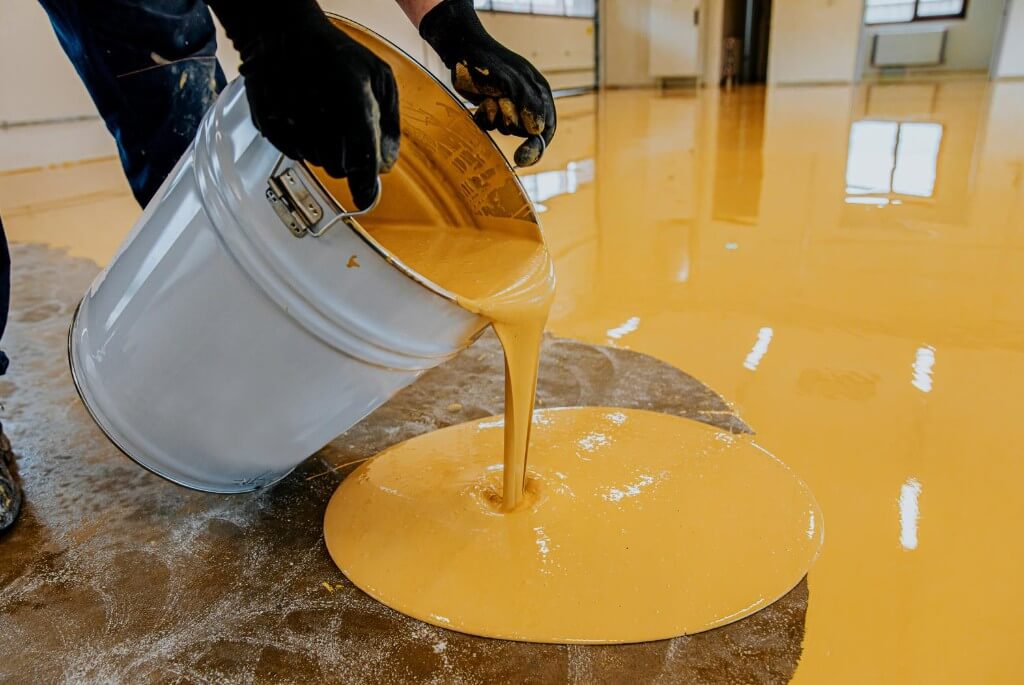
In this post, we will explore the purpose of resin in construction, the types of resin used and the advantages and disadvantages of using this material. We will also discuss safety and environmental considerations when using resin.
By the end of this article, you will have a better understanding of why resin is a popular choice in the construction sector, especially when it comes to achieving high strength.
Types of resin used in construction
Resins are composite materials widely used in the construction industry due to their strong ability to adhere to a variety of surfaces and their resistance to weathering and wear. Different types of resin are used for different purposes, from repairing surfaces to creating structures and works of art. These are the most common types of resin and their applications in construction.
Epoxy resins
Epoxy resins are a type of thermosetting polymer used to bond surfaces and create structural components in construction. These resins are highly resistant to abrasion, chemicals and water, making them ideal for outdoor and indoor applications. Epoxy resins also have high heat resistance and are commonly used in concrete surface repairs, the manufacture of machinery components and shipbuilding.
Polyester resins
Polyester resins are another type of thermosetting resin used in construction to manufacture fibreglass components. These resins are highly resistant to corrosion and UV rays, making them ideal for outdoor applications. Polyester resins are commonly used in the manufacture of components for boats, caravans, swimming pools and other similar products.
Polyurethane resins
Polyurethane resins are a type of thermoplastic resin used in construction to manufacture insulation panels and polyurethane foams. These resins have high resistance to moisture and chemicals, making them ideal for indoor and outdoor applications. Polyurethane resins also have good fire resistance and are commonly used in the construction of buildings and structures.
Silicone resins
Silicone resins are a type of thermosetting resin used in construction to manufacture gaskets and seals. These resins have high resistance to heat and chemicals, making them ideal for indoor and outdoor applications. Silicone resins also have good weather resistance and are commonly used in the construction of buildings and structures.
Advantages of using resin in construction
The benefits of using resin in construction include the following:
- Durability and strength: these increase considerably when resin is used in construction. Acting as a protective layer, resin shields surfaces from environmental hazards such as moisture, heat and UV radiation, making it the perfect choice for outdoor projects. In addition, epoxy resin in particular has remarkable adhesive properties, making it ideal for bonding numerous materials.
- Versatility: from decorative finishes to reinforcing structural components, resin can be used for countless applications. For example, it can be used to create elaborate designs on floors and walls, giving projects a unique personal touch. It can also be used to reinforce concrete structures, making them more durable when exposed to seismic activity or heavy loads.
- Cost-effectiveness: as it is suitable for various applications, it reduces the need to purchase multiple products and materials, saving time and money. In addition, resin is easy to apply and anyone can do it, making it suitable for DIY projects. On a larger scale, resin application is quick and efficient, reducing labour costs and increasing productivity.
- Sustainability: low-VOC epoxy resin, for example, releases fewer hazardous chemicals into the air. It is also highly durable, reducing the need for frequent replacement and consequently decreasing waste. When used responsibly and disposed of properly, resin can be a highly sustainable and environmentally friendly solution for construction projects.
Applications of resins in construction
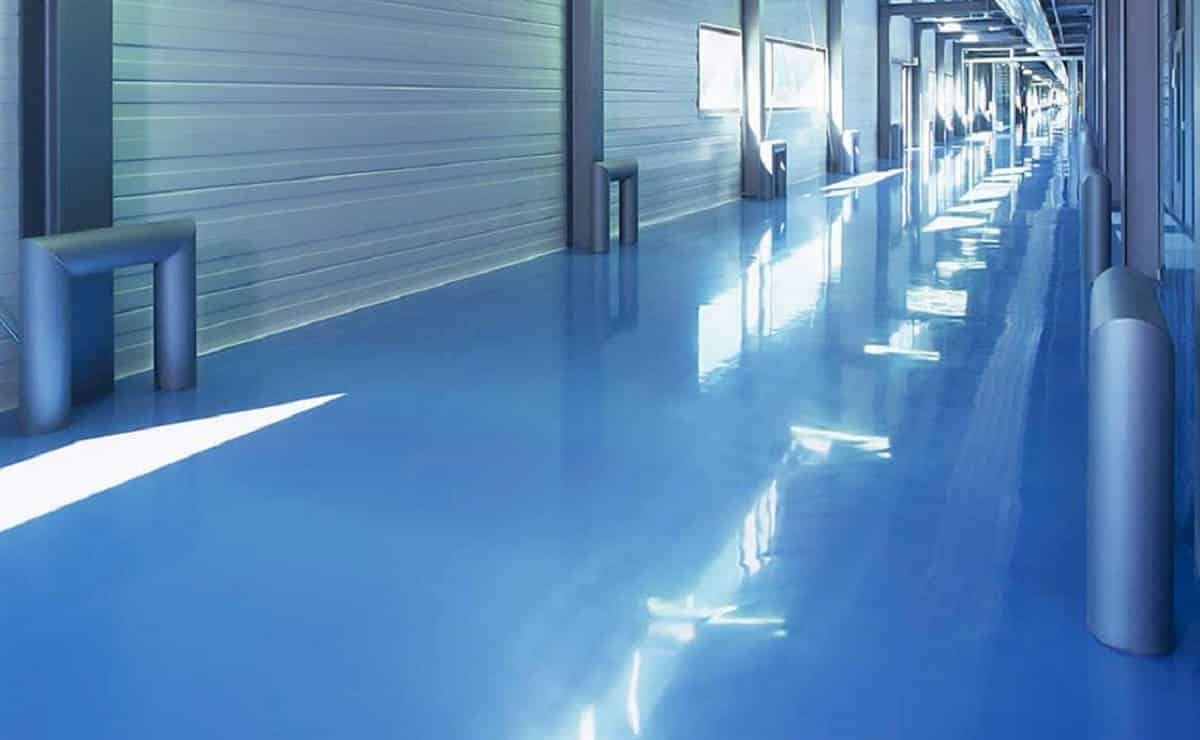
Resins are used in a variety of construction applications, from repairing surfaces to manufacturing structural components and works of art. Below are some of the most common applications of resins in construction:
Surface repairs
Resins are commonly used to repair concrete, masonry and metal surfaces. Epoxy resins are particularly useful for repairing concrete surfaces, as they have high abrasion resistance.
Manufacture of fibreglass components
Polyester resins are used to manufacture fibreglass components, such as boat hulls, caravans and swimming pools. The resin is applied to the fibreglass and hardens, creating a strong and durable structure.
Production of insulation panels
Polyurethane resins are used to manufacture insulation panels, as they have good resistance to moisture and chemicals. Polyurethane insulation panels are commonly used in the construction of buildings and structures to reduce energy consumption.
Production of gaskets and seals
Silicone resins are used to produce gaskets and seals, as they have high resistance to heat and chemicals. Silicone gaskets and seals are commonly used in the construction of buildings and structures to prevent air and water leaks.
Tips for working with resins
Working with resins can be dangerous if the appropriate precautions are not taken. Below are some tips for working safely with resins:
Wear personal protective equipment
When working with resins, it is important to wear personal protective equipment, such as safety glasses, gloves and a mask. Exposure to resins can be harmful to health and can cause skin and eye irritation.
Work in a well-ventilated area
Resins emit vapours during the curing process, which can be harmful to health if inhaled in large quantities. It is important to work in a well-ventilated area to prevent the build-up of vapours.
Follow the manufacturer's instructions
It is important to follow the manufacturer's instructions when working with resins. Each type of resin has a different curing time, and it is important to follow the manufacturer's instructions to avoid problems during the curing process.
Safety and environmental considerations
When managing resins in construction, safety must always be a primary concern. It is essential to consider the potential risks associated with handling and using resins. Inhaling, ingesting or coming into contact with these materials can have adverse effects. All safety instructions provided by the manufacturer must be followed, including those concerning protective equipment such as masks, goggles and respirators. In addition, adequate ventilation is essential to avoid toxic fumes. It is also important to dispose of leftover or unused resins properly to prevent environmental pollution.
Resins can have a significant effect on the surrounding environment. It is therefore important to be aware of the potential consequences of their use in construction. Some materials may contain hazardous chemicals that can leach into the soil or nearby water sources. Choosing environmentally friendly resins and using them responsibly is key. In addition, using resins derived from renewable sources, such as plants, can help reduce the environmental footprint of construction projects.
In short, resins can be a valuable resource in construction if used responsibly and with caution. It is essential to take safety and environmental considerations into account when handling and using these materials. Selecting epoxy resins with a minimal environmental impact and derived from renewable sources can help protect the environment. When used correctly, resins can be beneficial to construction projects.
Conclusions
In summary, resin plays a vital role in the construction industry. It is used for various purposes, ranging from floor coatings to reinforcing concrete structures. As we have seen, different types of resin are commonly used in construction, each with its own unique properties and characteristics. Although resin offers many advantages, it is not without its drawbacks, and it is important to consider safety and environmental factors when working with resin. Overall, resin is a versatile and valuable material that will remain an important part of construction in the years to come.