
What is floor vitrification?
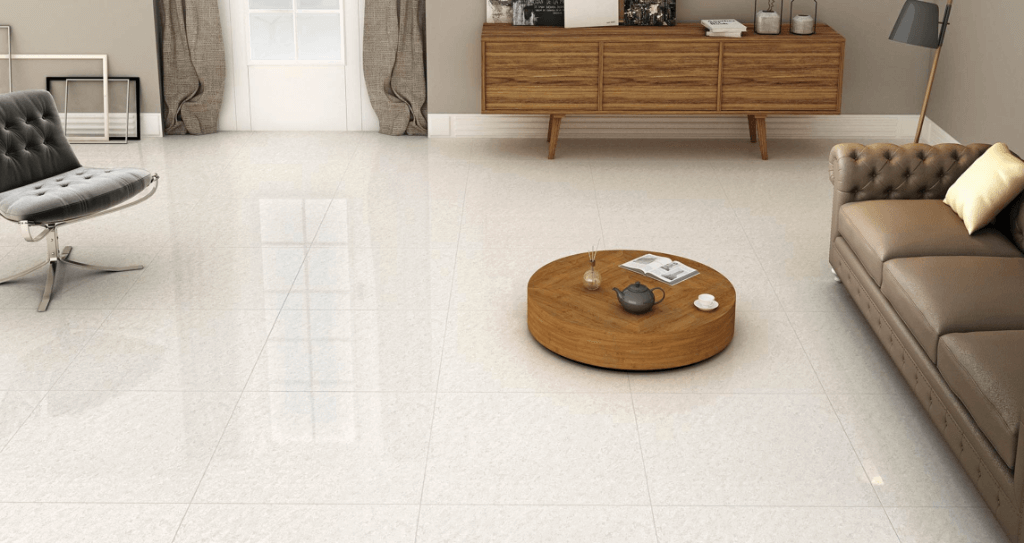
Floor vitrification is a specialised process that combines polishing and varnishing to improve the properties of the surface material. Its main purpose is to reduce the porosity of the floor and apply a traffic-resistant protective layer, providing greater hardness and dust-resistant and slip-resistant properties.
Floor vitrification provides numerous benefits, including making maintenance and cleaning easier, as the protective layer prevents dirt from accumulating and makes cleaning more effective and straightforward.
This process is carried out using a specialised rotary machine which, together with the appropriate products, produces perfectly vitrified floors that will retain their shine for a long time.
However, it is important to bear in mind that not all types of flooring are suitable for vitrification. This treatment is mainly carried out on calcareous flooring, such as granite and marble, as these materials respond better to the vitrification process and offer optimal results. The choice of flooring material will help determine whether vitrification or another type of treatment should be carried out.
Benefits of floor vitrification
The benefits of floor vitrification include the following:
- Lasting protection: floor vitrification provides lasting protection, extending the service life of the floor and reducing the need for frequent maintenance.
- Scratch resistance: the vitrification layer acts as an effective barrier against scratches, preserving the appearance and quality of the floor over time.
- Easy cleaning: vitrified floors are easy to clean, as the coating prevents liquids and stains from penetrating. A damp cloth is all that is needed to keep the floor in optimal condition.
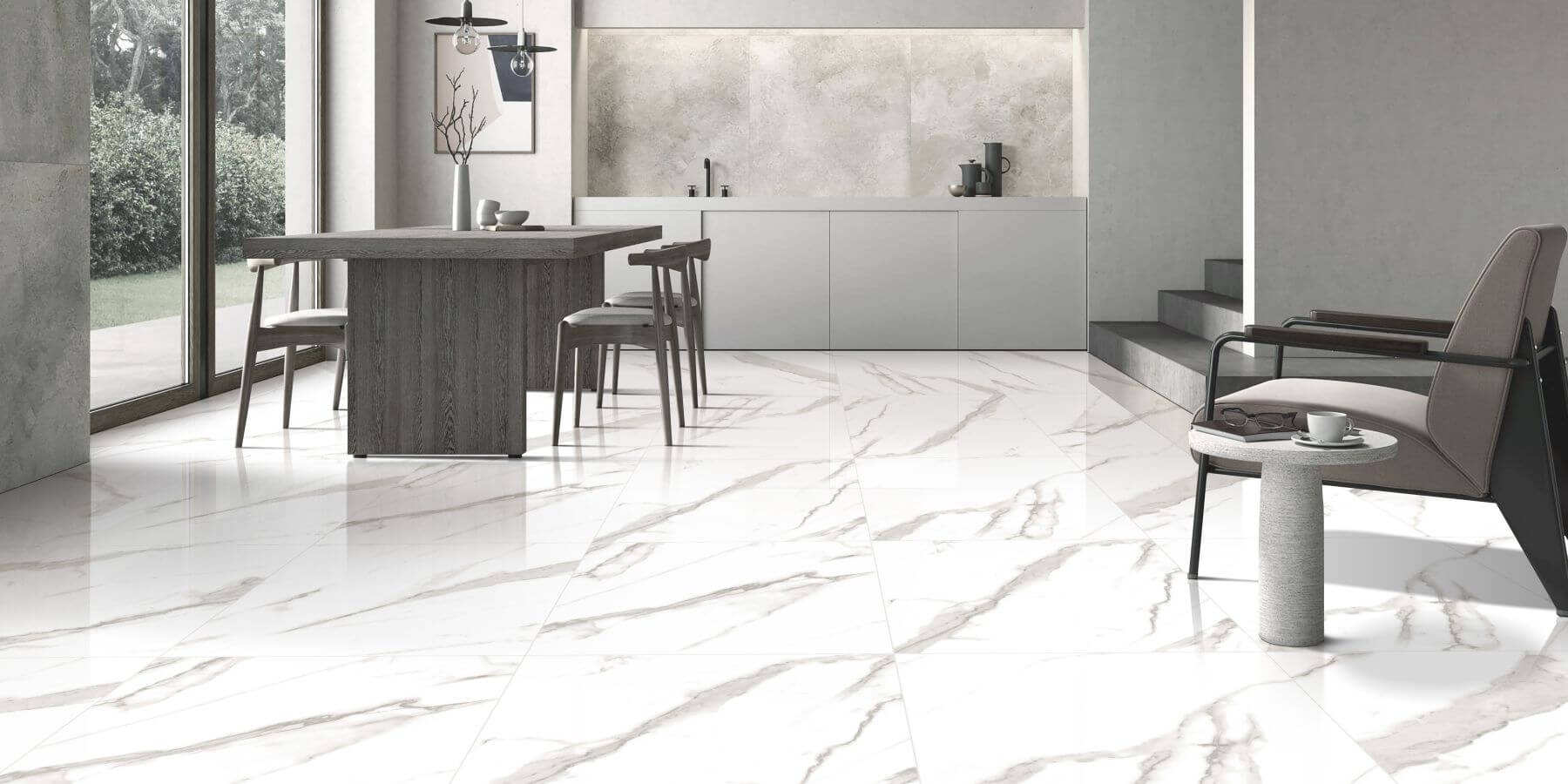
- Enhanced shine: vitrification gives floors a distinctive shine, improving the aesthetics of the space and creating a more pleasant and brighter environment.
- Protection against chemicals: the protective vitrification layer is also resistant to chemicals, preventing damage caused by accidental spills.
Floor vitrification process
The procedure for vitrifying floors consists of several key stages:
- Floor preparation: before starting the vitrification process, the floor must be properly prepared. This involves thorough cleaning to remove any dirt, dust or grease that could affect the adhesion of the coating.
- Application of the vitrifying agent: once the floor is clean and dry, the vitrifying agent is applied. This product is applied using a roller or a specialised vitrification machine. It is spread evenly over the floor surface, ensuring complete coverage of all areas.
- Drying and curing: once the vitrifying agent has been applied, it is important to allow it to dry and cure properly. This usually takes several hours, depending on the type of vitrifying agent used and the environmental conditions. During this time, it is essential to avoid foot traffic or any activity that could damage the layer while it is drying.
- Application of additional coats (optional): in some cases, additional coats of vitrifying agent may be applied to achieve greater thickness and resistance. This decision will depend on the type of flooring, its level of exposure and the specific protection requirements.
Applications of floor vitrification
Floor vitrification is a versatile technique used in a wide range of environments and on different types of flooring. Some of the most common applications include:
- Floors in commercial spaces, such as shops, restaurants, offices, etc.
- Industrial floors, such as those in warehouses, factories and production plants.
- Floors in sports facilities, such as gyms, basketball courts, tennis courts, etc.
- Floors in hospitals and healthcare centres.
- Floors in homes and residences.
What are the differences between floor buffing, polishing and vitrification?
Buffing is a technique used to restore terrazzo or marble floors with minimal damage.
When floors are more worn, a polishing process must be carried out before proceeding with wax buffing.
Floor polishing involves sanding, which reduces the surface layer of the flooring by a few millimetres. Buffing is then carried out to give the floor a final finish similar to that of a new installation.
It is important to bear in mind that vitrification, although it gives the floor a shine, does not repair any minor imperfections or scuffs it may have. To achieve an optimal result and a floor that looks as good as new, the logical sequence is to polish first and then buff.
Final considerations
Floor vitrification is a highly effective process for protecting and enhancing the appearance of surfaces. It provides lasting benefits, such as scratch resistance, easy cleaning and enhanced shine.
The vitrification process requires proper floor preparation, application of the vitrifying agent, drying and curing, and, optionally, the application of additional coats. This technique is used in a wide variety of environments, from commercial and industrial spaces to sports facilities and homes.
If you are looking to improve the appearance and durability of your floors, vitrification is an excellent option to consider. Not only will it protect your investment in the long term, but it will also create an aesthetically pleasing environment that is easy to maintain.