
Water leaks can affect the air quality in the space where water seeps in, creating an environment full of bacteria and mould, which causes respiratory disorders, skin allergies and other illnesses.
The presence of damp in a building can also cause significant structural damage, such as rotten floorboards or doors and damaged furniture.
It is important to be aware of any existing water ingress and know the best ways to prevent further damage. In this guide, we will discuss how to identify, assess and stop leaks causing damp in your home.
What causes water ingress and damp?
Leaks causing damp can occur for several reasons, including faulty plumbing, damaged roofs, blocked drains, missing roof tiles and gutters, and even poorly sealed windows and doors.
In addition, poorly applied paint, plaster or wallpaper can also be a source of leaks causing damp.
In short, if there are any gaps or cracks in the structure of your home, they are likely to let moisture in, which can cause long-term damage to the building.
How can you identify leaks causing damp?
If you suspect there is a leak causing damp in the building, the first step is to identify where it is coming from. If the water ingress is extensive or recurring, the source is most likely to be the roof, a plumbing problem or a structural problem with the doors and windows.
If you notice that the leak is coming from a large area, such as the roof, an infrared inspection camera can be used to locate its exact source. This device allows you to look for hot and cold spots, which may indicate areas where moisture is present.
If the water comes from a smaller source, such as an appliance, a leaking tap or a crack in the wall, you can use a moisture meter. These devices measure the moisture content in porous materials such as plasterboard, wood and masonry.
If a surface shows high moisture readings, steps should be taken to stop the leak immediately. A dehumidifier can also be used to reduce moisture in the air and repair the damage already caused.
How can you stop damp caused by water ingress?
Once the source of the leak has been identified, it is time to take steps to prevent it from recurring. Depending on the location and size of the leak, there are several different methods that can be used to prevent future damage:
1. Roof repairs
If the roof is the source of the leak, it is essential to take the necessary steps to repair the problem. Roof damage can be caused by poor installation, missing tiles or gutters, or simply age and wear. Regular roof maintenance is key to keeping it in good condition, and any repairs should be carried out as soon as possible to prevent further damage.
2. Structural repairs
If doors and windows are the source of the leak causing damp, they must be checked to ensure they are properly sealed. If there are visible joints or cracks, a sealant, such as silicone or acrylic caulk, should be used to prevent moisture from entering the building.
It is also important to check for signs of damp on internal walls. If the plaster is damaged or the paint is peeling, moisture is likely to be present. In this case, any soft material, such as plaster, must be removed before using an antifungal solution to prevent the damp from returning.
3. Plumbing repairs
If the plumbing is the source of the leak causing damp, the necessary steps must be taken to repair broken valves, leaking pipes or blocked drains. If you cannot identify or resolve the problem yourself, it is advisable to contact a professional plumber who can assess and repair the damage effectively.
4. Using waterproof paint/varnish
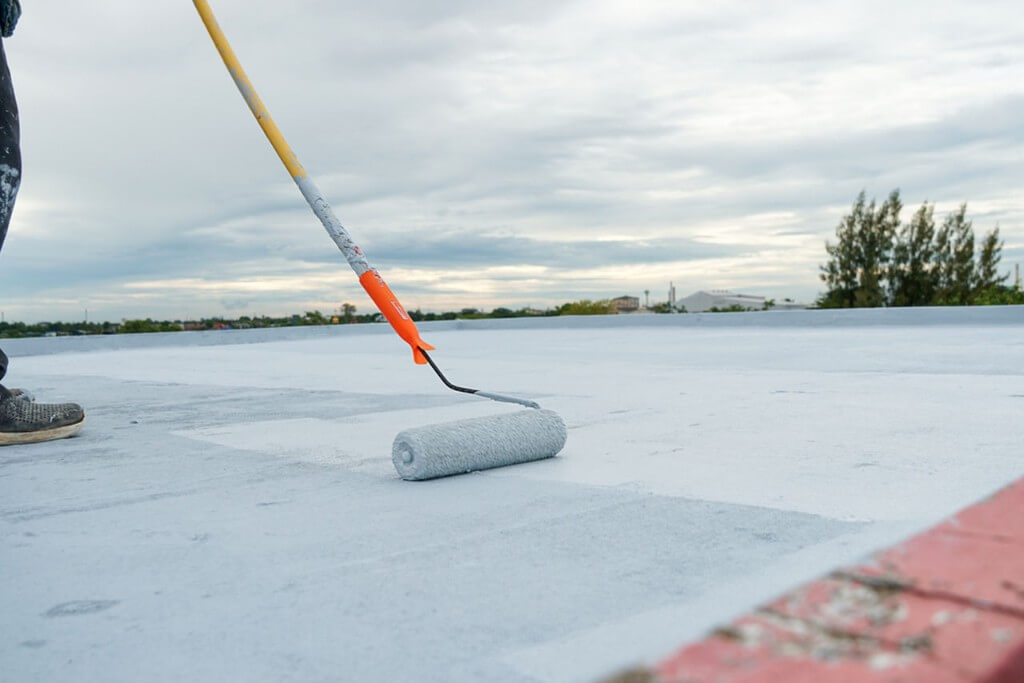
Applying a sealant or waterproof paint/varnish can help protect walls and ceilings from moisture damage. These sealants are designed to be vapour-permeable and will help maintain air quality in the building while preventing new water ingress.
5. Using hydrophobic solutions
A hydrophobic solution is an effective way to prevent leaks that cause damp. This type of solution prevents water absorption and provides a barrier on the surface, preventing water ingress and surface absorption. Hydrophobic solutions are easy to apply and provide long-term protection.
Conclusion
Leaks causing damp can cause serious long-term damage to a building, creating an unhealthy environment and potentially leading to significant structural problems. To prevent leaks that cause damp, it is important to identify and repair existing leaks as soon as possible, as well as take steps to protect the building from future damage.
Repairing roofs and walls, using waterproof sealants, painting/varnishing surfaces and using hydrophobic solutions are effective ways to prevent leaks that cause damp in a building.
Of course, there is no better decision than to engage the services of a team of professionals in the field such as Byond. Indeed, we are experts in all types of waterproofing, so please do not hesitate to contact us with no obligation whatsoever.