
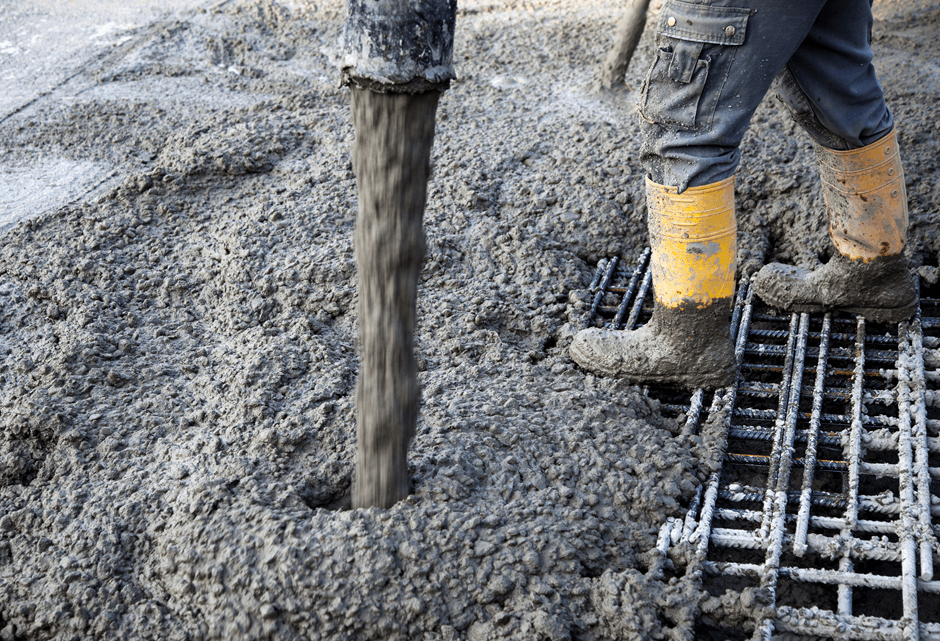
What is reinforced concrete?
Reinforced concrete is a construction material used to build robust, strong and durable foundations and structures. It is a combination of two materials: concrete—a mixture of cement, water, sand and aggregates—and steel reinforcement, consisting of bars and wires embedded in the concrete. This combination of materials produces a material that is more resistant to compressive forces than either material on its own.
Reinforced concrete has existed since the mid-19th century and is commonly used in construction projects such as building frames, bridges, columns, beams and pipes. It can also be used to build roads, tunnels, industrial structures and residential buildings.
Advantages of reinforced concrete
Using reinforced concrete offers several advantages:
Durability
Reinforced concrete is extremely durable and capable of lasting for many years. Reinforced concrete elements can last for decades without needing repairs or replacement.
Strength
By combining the strength of both materials, the concrete has a greater capacity to withstand pressure, making it useful for heavy-duty construction applications.
Fire resistance
The steel reinforcement in reinforced concrete can make it more resistant to fire, protecting the structure and enhancing its durability.
Cost efficiency
Reinforced concrete is more cost-effective than many other construction materials, making it an attractive option for those looking to save some money.
Customisation
With the right expertise, reinforced concrete can be used to create almost any imaginable shape, allowing greater design freedom.
Disadvantages of reinforced concrete
As with any construction material, there are some drawbacks to using reinforced concrete:
Weight
Reinforced concrete is heavier than many other materials, making it more difficult to transport and more expensive to install.
Cracking
Over time, the materials used in reinforced concrete can begin to crack due to ageing or pressure. Although this damage can be repaired, doing so can be difficult and expensive.
High labour requirements
Reinforced concrete construction can be labour-intensive, increasing the overall cost of the work.
Time-consuming
The curing time for reinforced concrete can be long, which can delay construction projects.
Uses of reinforced concrete
Reinforced concrete has a wide range of uses in both commercial and residential buildings. In larger buildings, such as shopping centres and apartment blocks, it is used in columns and beams, as well as foundations, while in homes it is often used in doors, walls and other common structures.
Doors and walls made of reinforced concrete are extremely durable and strong, providing a viable alternative to steel doors and brick walls. Reinforced concrete is also commonly used in the construction of garage floors, driveways and patios, making it an excellent option for outdoor surfacing solutions.
Concrete reinforcement methods
There are several ways to reinforce concrete:
Steel bars
Steel bars, also known as reinforcing bars, are the most widely used method of reinforcing concrete. The steel bars are inserted into the concrete when it is poured and can help reinforce the structure by providing additional strength.
Fibre reinforcement
Fibre-reinforced concrete can be produced by incorporating strands or fabrics made from a variety of materials into the concrete during mixing. In addition to reinforcing the concrete, this method has been shown to reduce shrinkage cracks and improve its overall durability.
Polypropylene fibres
Polypropylene fibres are a popular option for reinforcing concrete because they not only help increase the material's compressive strength, but can also help reduce the need for surface treatments by improving the overall finish of the concrete.
How to maintain reinforced concrete
Maintaining reinforced concrete is relatively straightforward and can help extend its service life.
Preventive maintenance
Regular concrete inspections can help identify and repair any cracks or damage before they worsen. It is also important to keep the concrete clean to prevent the growth of mould or bacteria.
Protective coating
When it is exposed to adverse weather conditions, it is advisable to apply protective coatings to prevent damage. This will help ensure that the concrete remains in good condition.
Well-sealed joints
It is essential to ensure that all joints are properly sealed. This will help reduce the risk of water ingress, which can damage the concrete and weaken its structure.
Conclusions
Reinforced concrete is a versatile construction material with a wide range of uses. Its combination of durability, strength and fire resistance makes it an effective option for many projects.
However, it is important to consider the drawbacks of reinforced concrete and the fact that construction using it can be costly and labour-intensive.
With proper care and maintenance, reinforced concrete can last for many years and provide a reliable platform for many applications.