
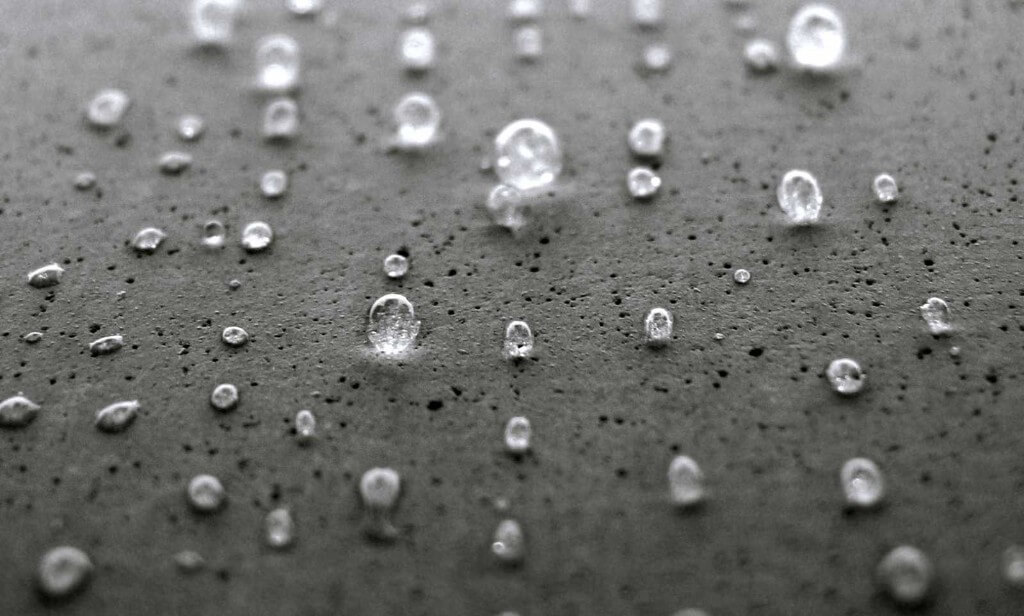
Waterproof concrete is a specialised variant of conventional concrete, specifically designed to prevent water infiltration and protect buildings against moisture damage. Its applications range from foundations and basements to swimming pools, tunnels and underground structures, providing lasting, reliable protection across a wide variety of construction projects.
In this article, we will explore the characteristics, applications and benefits of waterproof concrete in detail. We will discover how its water resistance is achieved, which methods are used for its application and maintenance, and why it is a smart choice for those seeking to protect their buildings from the harmful effects of moisture.
Join us on this journey through the fascinating world of waterproof concrete and discover why it has become an indispensable ally in the fight against water penetration in buildings.
What is waterproof concrete?
Waterproof concrete is a material widely used in the construction industry thanks to its ability to resist the penetration of water and other liquids. This type of concrete has become increasingly popular thanks to its numerous benefits and its ability to protect structures against damage caused by moisture and water ingress.
What are the characteristics of waterproof concrete?
Waterproof concrete has a number of special characteristics that give it the ability to resist water infiltration and protect structures from moisture damage. Some of the most notable characteristics of waterproof concrete are outlined below:
- Low permeability: waterproof concrete has low permeability, meaning that it offers significant resistance to the passage of water and other liquids. This is achieved through the careful selection of mix materials and the use of waterproofing admixtures that reduce porosity and close voids within the concrete structure.
- Controlled aggregate grading: the size and distribution of the aggregates used in waterproof concrete are carefully selected to achieve greater compactness and lower permeability. Controlling aggregate grading helps minimise the spaces between aggregates and improves the concrete's water resistance.
- Waterproofing admixtures: waterproofing admixtures are key components in the formulation of waterproof concrete. These admixtures are added during the mixing process and modify the concrete's properties to make it more water-resistant. They can act as pore sealers, hydrophobic agents or permeability reducers.
- Durability: waterproof concrete is highly durable, meaning that it retains its waterproof properties over time and under different environmental conditions. Its resistance to moisture prevents premature deterioration of materials and contributes to a longer service life for buildings.
- Compatibility with other materials: waterproof concrete is compatible with other construction materials, allowing its use in different types of structures and projects. It can be used in combination with steel, timber or other materials to create integrated, water-resistant construction systems.
Benefits of waterproof concrete
The use of waterproof concrete offers a number of significant benefits compared with other construction materials. Some of the main benefits are:
- Protection against moisture: waterproof concrete prevents the infiltration of water and moisture, helping to prevent structural damage and premature deterioration of materials. This contributes to a longer service life for the building.
- Cost reduction: by preventing water ingress and moisture damage, waterproof concrete can help reduce long-term maintenance and repair costs. Furthermore, as it does not require the installation of additional waterproofing systems, it saves time and money during the construction process.
- Health and safety: preventing moisture and water accumulation in structures prevents the proliferation of mould, fungi and bacteria, improving indoor air quality and contributing to a healthier environment. Waterproof concrete also helps maintain structural integrity, reducing the risk of collapse or failure in buildings.
- Versatility: waterproof concrete is a versatile material that can be adapted to a wide variety of applications. It is used in the construction of foundations, basements, swimming pools, tunnels, underground car parks, façade cladding and more. Its ability to resist moisture makes it an ideal option for projects exposed to wet conditions or high moisture levels.
- Sustainability: the use of waterproof concrete can contribute to sustainability in construction. Its durability and resistance reduce the need for frequent repairs or replacements, saving resources and energy. In addition, some admixtures used in waterproof concrete are environmentally friendly, helping to minimise environmental impact.
What are the methods of applying waterproof concrete?
There are different methods of applying waterproof concrete, depending on the specific needs of the project and the surrounding conditions. Some of the most widely used methods are detailed below:
- Plant mixing: this method involves adding waterproofing admixtures during the mixing process at a concrete batching plant. The admixtures are incorporated into the concrete mix in appropriate proportions to improve its water resistance and reduce its permeability.
- On-site mixing: in this method, waterproofing admixtures are added directly to the concrete mix during construction on site. The admixtures are carefully dosed according to the project specifications and mixed uniformly with the other concrete components.
- Surface treatments: in some cases, surface treatments can be applied to improve the impermeability of existing concrete. These treatments involve applying chemicals or coatings to the concrete surface to seal the pores and reduce its permeability to water. These treatments may include waterproofing paints, liquid membranes or epoxy coatings.
- Resin injection: this method is used to repair or improve impermeability in localised areas of concrete. Waterproofing resins are injected into existing cracks, joints or fissures in the concrete structure. The resins expand and bond to the concrete, effectively sealing points of water infiltration.
- Waterproofing membranes: waterproofing membranes are sheets or liquid-applied sheets placed over the concrete surface to form a physical barrier against water penetration. These membranes may be prefabricated and bonded to the concrete surface, or they may be liquid and applied as a continuous layer that adheres to the substrate.
It is important to select the appropriate application method according to the needs of the project, the nature of the structure and the environmental conditions. The manufacturer's recommendations for the waterproofing admixtures or products used must also be followed to ensure correct and effective application.
Maintenance of waterproof concrete
Proper maintenance of waterproof concrete is essential to ensure its performance and durability over time. Some tips for effective maintenance of waterproof concrete are outlined below:
- Regular inspection: carrying out periodic inspections is essential to identify any damage or deterioration in waterproof concrete. Check for cracks, water leaks or any signs of wear. If problems are detected, they must be addressed immediately to prevent further damage.
- Cleaning: keeping the waterproof concrete surface clean is important to prevent the accumulation of dirt, mould or substances that could compromise its impermeability. Gentle cleaning methods, such as pressure washing with warm water and mild detergents, are recommended.
- Crack sealing: if cracks are observed in waterproof concrete, it is essential to seal them immediately. Cracks can allow water to enter and compromise the material's impermeability. Use suitable crack sealants to ensure an effective repair.
- Reapplication of waterproofing products: depending on the type of waterproofing admixture used, periodic reapplication may be necessary to maintain the concrete's water resistance. Consult the manufacturer's recommendations and reapply as required.
- Avoiding mechanical damage: it is important to avoid mechanical damage to waterproof concrete, as this can compromise its integrity and ability to resist water. Avoid blows, impacts or excessive loads on the concrete surface.
Conclusions
Waterproof concrete is a highly beneficial material in the construction industry thanks to its ability to resist water penetration and protect structures against moisture damage. Its characteristics, applications and benefits make it a popular choice for a wide range of projects.
Through the addition of waterproofing admixtures, controlled aggregate grading and low permeability, waterproof concrete offers lasting protection against water ingress and moisture. It is used in foundations, basements, swimming pools, tunnels and façade cladding, among other applications.
The benefits of waterproof concrete include protection against moisture, long-term cost reduction, health and safety benefits, versatility and sustainability. In addition, there are different application and maintenance methods that ensure optimal material performance.
In summary, waterproof concrete is an efficient and reliable solution for constructing durable structures protected against moisture. Its ability to resist water penetration and its numerous benefits make it a popular option in the construction industry.