

In this article, we will explore the benefits, applications and manufacturing processes of precast concrete in depth, as well as emerging trends in its use. Discover how this modern technique has transformed construction and how it can benefit your upcoming projects.
What is precast concrete?
Precast concrete is a material widely used in the construction industry. It consists of structural elements, such as walls, beams, slabs and panels, which are manufactured in advance at a production plant and then transported to the construction site for assembly. This construction method offers numerous advantages in terms of efficiency, quality and flexibility.
Benefits of precast concrete
The use of precast concrete offers a range of key benefits that have contributed to its growing popularity in the construction industry. Some of these advantages include:
- Efficiency in construction times: manufacturing concrete elements in advance significantly reduces construction times compared with traditional methods. Manufacturing under controlled conditions in a plant can prevent delays related to the weather and other external factors.
- Quality and precision: production in controlled environments ensures the quality and precision of precast elements. Manufacturing standards are high, resulting in products with high strength and durability. In addition, architectural elements and customised finishes can easily be incorporated during the manufacturing process.
- Versatility in design and function: precast concrete can be adapted to a wide range of designs and functions. Precast elements can be moulded into different shapes and sizes, allowing greater flexibility in creating customised buildings and structures. In addition, these elements can be reused and relocated, making it easier to adapt and expand projects in the future.
- Sustainability and energy efficiency: the use of precast concrete can contribute to sustainability in construction. Thanks to their high strength and durability, precast elements require less maintenance and have a longer service life. In addition, recycled materials can be incorporated into precast concrete production, reducing the environmental impact of construction.
Applications of precast concrete
Precast concrete is used in a wide variety of construction applications, including:
- Residential and commercial buildings: precast concrete elements are commonly used in the construction of single-family homes, apartment buildings and commercial complexes. These elements can include walls, slabs, stairs, balconies and façades, among others.
- Infrastructure and civil engineering works: precast concrete is used in the construction of infrastructure such as bridges, tunnels, culverts and retaining walls. These elements are manufactured to withstand heavy loads and extreme environmental conditions.
- Industrial facilities: industrial plants and structures for heavy industry also benefit from the use of precast concrete. These elements can include reinforced floor slabs, partition wall panels, beams and columns, which provide strength and stability to support heavy machinery and withstand demanding working conditions.
- Public works and infrastructure projects: precast concrete is used in large-scale infrastructure projects, such as airports, railway stations, stadiums and convention centres. Precast elements allow faster and more efficient construction, minimising traffic disruption and reducing construction time.
- Refurbishment and extension of existing buildings: precast concrete is also used in the refurbishment and extension of existing buildings. Precast elements can be used to strengthen deteriorated structures or add new spaces without disrupting the building's functionality for long periods of time.
Precast concrete manufacturing process
The precast concrete manufacturing process takes place in specialised production plants. The general steps of the process are described below:
- Design and planning: before manufacturing, a detailed design of the precast elements is prepared according to the project requirements. Aspects such as structural loads, dimensions, surface finishes and architectural requirements are considered.
- Mould preparation: steel or timber moulds are built according to the design specifications. These moulds will be used to shape the fresh concrete and hold it in place during the curing process.
- Concrete mixing and proportioning: concrete ingredients, such as cement, aggregates (sand, gravel), water and admixtures, are mixed in precise proportions. Correct proportioning ensures the strength and durability of the concrete.
- Concrete pouring: fresh concrete is poured into the prepared moulds, ensuring that it is distributed evenly and fills them completely. During this stage, steel reinforcement can also be placed if necessary to increase the strength of the precast element.
- Curing and hardening: once the concrete is in the moulds, the curing process begins. This involves controlling temperature and humidity to allow the concrete to harden and reach its optimum strength.
- Demoulding and finishing: after the concrete has reached sufficient strength, the moulds are removed. Surface finishing is then carried out, which may include polishing, texturing or applying protective coatings.
- Transport and installation: precast elements are transported to the construction site using lorries or cranes. There, they are positioned and joined together to form the structure.
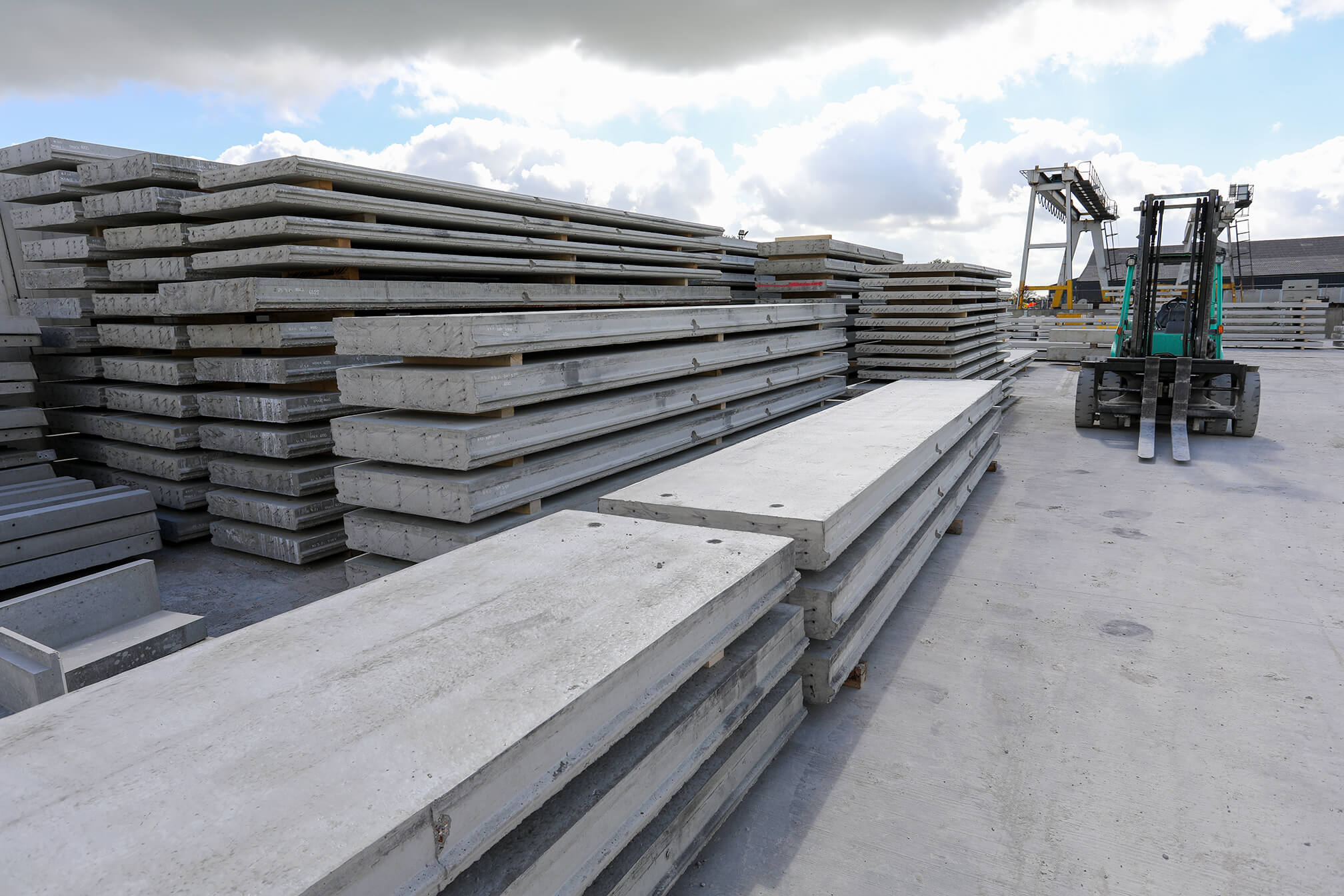
Installation and assembly of precast elements
Once the precast concrete elements arrive at the construction site, installation and assembly take place. The general steps of this process are described below:
- Site preparation: before installation, the site is prepared, including levelling the ground and preparing the bases or foundations needed to support the precast elements.
- Assembly of structural elements: precast elements are placed in their designated positions, following the project design and drawings. Cranes and specialised equipment are used to lift and position the elements accurately.
- Joining and connection: once the elements are in place, they are joined and connected to one another. This may involve the use of metal connections, welds, adhesives or specific anchoring systems, depending on the design requirements and structural function.
- Adjustments and levelling: during assembly, adjustments and levelling are carried out to ensure that the elements are correctly aligned and that the specified tolerances are met. This is essential to ensure the stability and structural integrity of the construction.
- Incorporation of services and finishes: once the structural elements are installed and connected, services such as electrical installations, plumbing and climate control systems are incorporated. Final finishes, such as external cladding, paint and interior finishes, can also be applied.
Maintenance and durability of precast concrete
Precast concrete is known for its long-term durability and strength. However, proper maintenance is important to ensure its structural integrity. Below are some recommendations for maintaining precast concrete:
- Regular inspections: periodic inspections should be carried out to identify any signs of deterioration, such as cracks, spalling or reinforcement corrosion. These inspections allow problems to be detected early and corrective measures to be taken before they become more serious issues.
- Surface cleaning and maintenance: regular cleaning of precast concrete surfaces is recommended to remove dirt, debris and contaminants. It is also important to maintain drainage systems and prevent the accumulation of standing water, as this can affect the integrity of the concrete.
- Repairs and strengthening: if damage or deterioration is detected in precast concrete, timely repairs should be carried out. This may involve filling cracks, strengthening weakened structural elements or replacing damaged elements.
- Protection against external agents: depending on the location and surroundings, protective coatings can be applied to protect precast concrete from exposure to chemicals, corrosion, moisture or adverse weather conditions.
- Reinforcement corrosion control: where precast concrete contains steel reinforcement, it is important to implement measures to prevent corrosion. This may include applying protective coatings to the steel, using corrosion-inhibiting admixtures in the concrete and ensuring good drainage to prevent water accumulation.
- Compliance with the manufacturer's recommendations: it is essential to follow the recommendations and guidelines provided by the precast concrete manufacturer regarding maintenance and care. These instructions may vary depending on the type of product and the specific conditions of use.
Future trends in the use of precast concrete
The use of precast concrete continues to evolve and adapt to the needs of the construction industry. Below are some emerging trends in the use of this material:
- Advanced manufacturing technology: as technology advances, more efficient and precise manufacturing methods are being developed for precast concrete. The incorporation of technologies such as 3D printing and automated modular prefabrication is enabling greater customisation, lower costs and shorter production times.
- Innovative design and architecture: precast concrete offers a wide range of possibilities in terms of design and architecture. Advances in mould technology and surface finishes are enabling the creation of more aesthetically appealing and complex precast elements, opening up new opportunities for the construction of iconic and cutting-edge structures.
- Sustainability and environmentally friendly materials: there is a growing focus on sustainability in construction, and precast concrete is no exception. New types of concrete are being developed that use fewer natural resources and generate fewer carbon emissions during production. In addition, environmentally friendly and recycled materials are being explored for incorporation into precast elements.
- Use in modular construction and prefabricated housing: modular construction and prefabricated housing are gaining popularity thanks to their efficiency and versatility. Precast concrete is widely used in these types of construction, as it allows the rapid and precise manufacture of modules that are assembled on the construction site.
Conclusions
Precast concrete is a versatile and efficient solution in modern construction. Its benefits in terms of efficiency, quality, versatility and sustainability make it a popular choice across a wide range of applications. With proper maintenance and by keeping up with trends and technological advances, precast concrete will continue to play an important role in the construction of the future.