
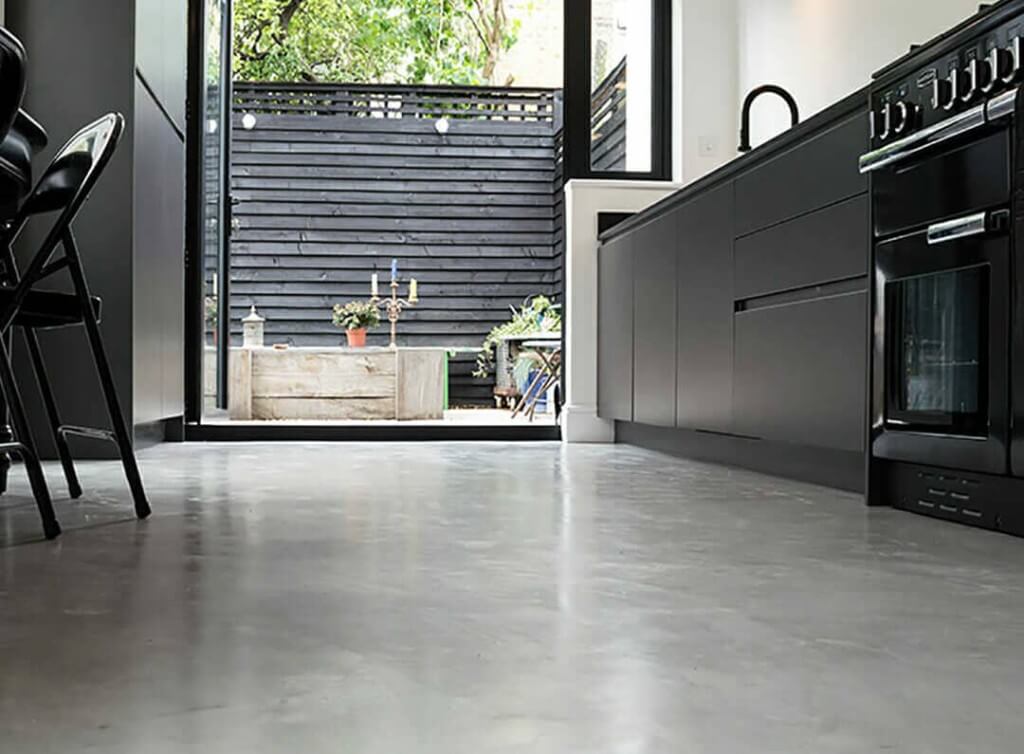
Opening for use: follow the installed system
Before using the surface, ask the installer for curing and maintenance instructions for the complete system, including the sealer. Foot traffic, furniture installation and the first wash are scheduled according to the technical data sheet and site conditions. A fixed timetable of hours, weeks or months must not be applied to every product.
During drying and curing
Avoid traffic, washing and spills until they are permitted. Temperature, humidity and ventilation must remain within the product’s specified ranges; no universal temperature is set here. A dry appearance does not mean curing is complete. If other building work must continue, agree on compatible, clean protection that does not trap moisture. Paper or cardboard is not automatically suitable for every finish.
First use and furniture
Introduce furniture only when the system is ready. Lift and lower it carefully rather than dragging it. Protect legs and contact points with supports compatible with the finish and distribute loads according to the intended use. Avoid impacts, sharp objects and abrasive contact. These precautions remain useful after the initial period.
Remove dust, sand and small stones
Abrasive dirt can mark the surface when walked over or dragged. Remove it using suitable soft cleaning tools and keep entrances clean. Doormats may reduce incoming particles; check that their backing does not stain or react with the finish. Avoid hard brushes and abrasive pads.
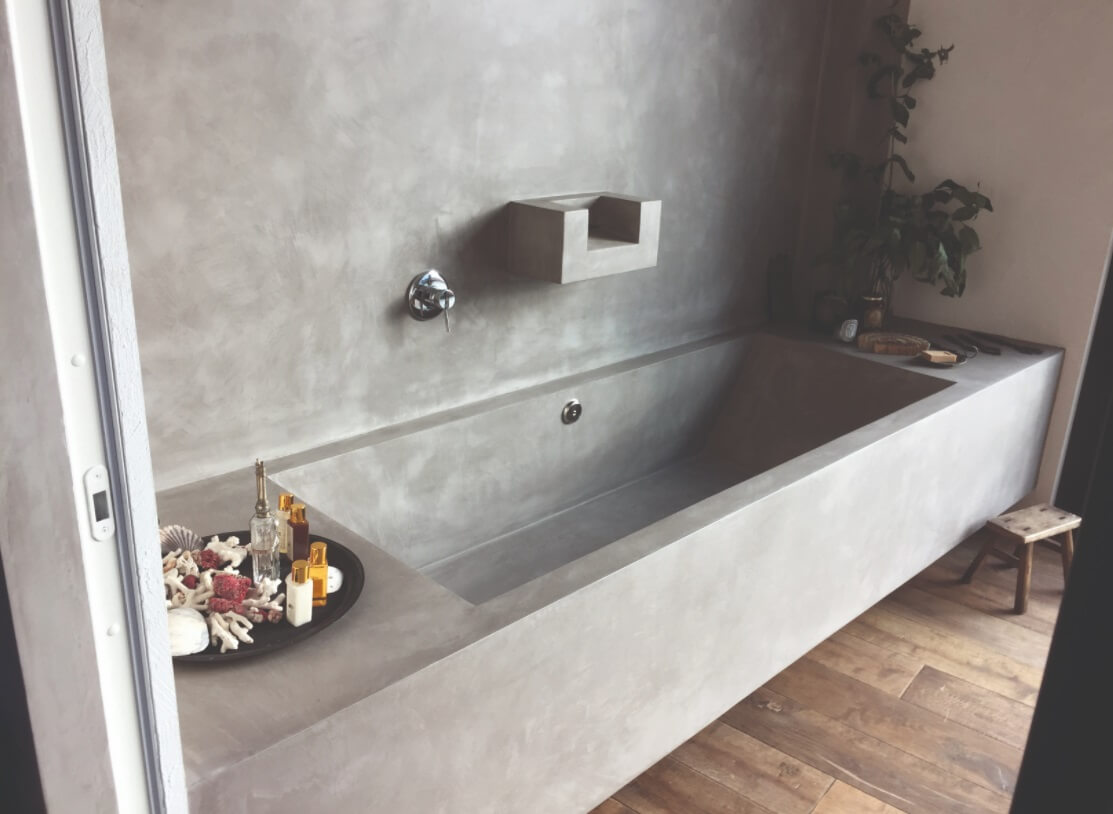
Routine cleaning
Once washing is permitted, follow the manufacturer’s permitted products and dilution instructions. Where the system allows it, use a soft, lightly damp mop or cloth and a compatible neutral cleaner. Avoid harsh products and unapproved cleaning mixtures. Do not soak the floor or use cleaning equipment without checking compatibility.
Spills, water and wet areas
Remove spills when safe to do so and avoid standing water. Check drainage and ventilation in bathrooms and kitchens. Suitability for prolonged water exposure depends on the system; this guide does not turn a decorative finish into waterproofing. If dampness, colour changes or deterioration appear, investigate the cause before applying another product.
Metal legs and contact pads
Metal legs, sharp edges or damaged supports can scratch or stain the finish. Use compatible protection and check its condition regularly. Rubber, plastic and felt pads also need to be selected for the finish: not every support material is suitable for every sealer.
Persistent stains and sealer assessment
Seek advice before using a specialist cleaner and follow its instructions; a test in an inconspicuous area may help where the manufacturer recommends it. Do not sand or repair the finish without advice. Sealer inspection or renewal depends on condition, use and documentation, not a universal interval or routine periodic recoating.
When to contact BYOND
If there are cracks, loss of adhesion, moisture or a significant change in the finish, provide photographs and system details where known. The cause must be assessed before a repair is proposed. Consult the guide to uses, substrates and selection, return to microcement and decorative finishes or ask our team.