
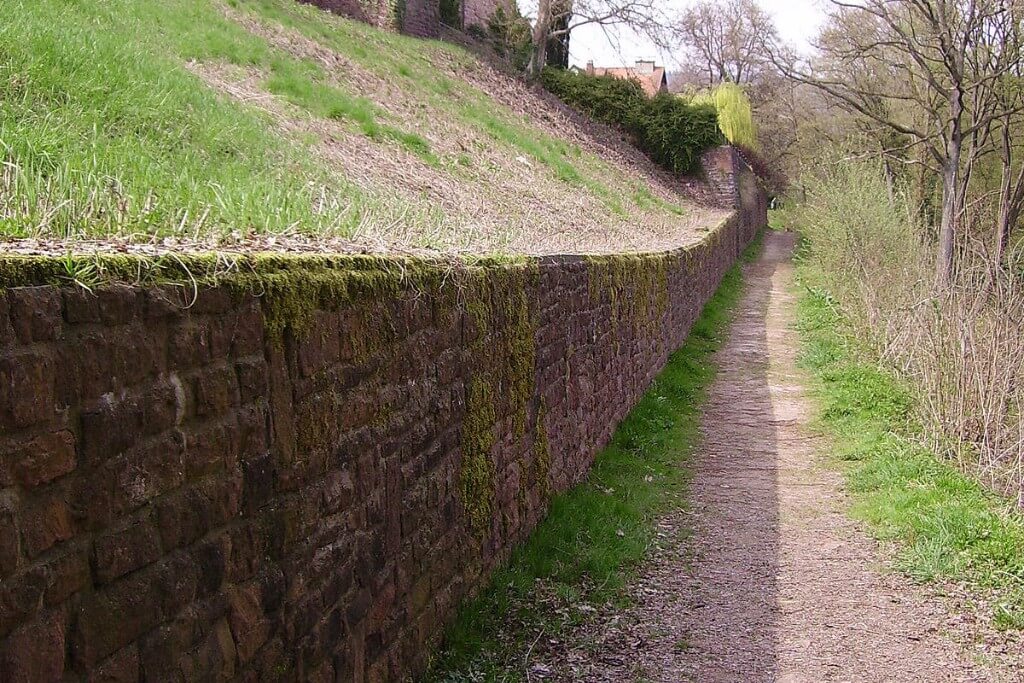
Retaining walls are structures specifically designed to withstand earth pressure, thereby preventing the ground from shifting or collapsing where there is a significant difference in levels. These construction elements are widely used in a variety of applications, from civil and road engineering projects to the construction of residential and commercial buildings on uneven terrain.
The main purpose of a retaining wall is to provide stability and control ground erosion, preventing the retained masses of earth from slipping or deforming excessively. In addition to their practical function, these walls can also serve an aesthetic purpose by blending harmoniously into their surroundings, improving the visual appearance and overall functionality of the site.
Over the years, advances in construction techniques and available materials have enabled the development of a wide range of solutions for building retaining walls. From traditional reinforced concrete walls to modern geosynthetic structures and modular wall systems, engineers and builders have various options to suit the specific needs of each project.
In this article, we will explore the different types of retaining walls, their key components, design and construction considerations, and best practices for ensuring the durability and safety of these structures. We will also examine the geotechnical and environmental factors that must be considered when selecting and planning the construction of retaining walls.
Retaining wall construction is a discipline that combines knowledge of engineering, structural design and construction, where experience and meticulous attention to detail are crucial to achieving satisfactory results. By understanding the fundamental principles and appropriate construction techniques, professionals in this field can ensure ground stability and structural safety while contributing to the creation of safer, more functional urban and rural environments.
Explore the fascinating world of retaining walls and discover how these structures transform and protect our built environment!
What is a retaining wall?
Retaining walls are an essential component of construction projects involving changes in elevation. These walls are designed to retain earth and prevent erosion, making them an important tool for creating level surfaces on sloping ground. In this article, we will explore the different types of retaining walls, including concrete, gravity, cantilever, sheet pile and piled walls, as well as earth-retaining structures. We will also discuss important considerations for designing and building retaining walls, including materials and foundations. By the end of this article, you will have a better understanding of what a retaining wall is and how it can be used in your construction projects.
Types of retaining walls
For construction projects that need to retain soil, retaining walls are an ideal solution. From strong concrete to gravity and cantilever walls, several types of retaining walls are available on the market. Concrete walls, for example, are a high-quality material used to build concrete retaining walls that can withstand harsh weather conditions. Gravity retaining walls, meanwhile, are built with a slight backward slope for greater stability and are usually made of concrete or stone.
Sheet pile walls and piled retaining walls are other options for those with limited space. Sheet piles are interlocking steel or vinyl sheets driven into the ground, while piled walls are built with reinforced concrete or steel piles. Earth-retaining structures made of natural materials such as earth or rock are also an option. When choosing the right retaining wall, it is important to consider the design, materials and foundations to ensure the best results.
Concrete retaining walls
Retaining walls built with concrete are a widely used option due to their robustness and strength. Whether cast in situ or precast, these walls are suitable for large-scale projects and are reinforced with steel bars to ensure their reliability. Concrete retaining walls not only retain earth and stabilise slopes but also add a modern, elegant look to any landscape.
When building a concrete retaining wall, several important factors must be considered. The wall design must be capable of withstanding the pressure of the earth behind it, while the materials used must be capable of supporting the wall's weight. In addition, the wall's foundations must be strong enough to support both the wall and the earth it retains.
One popular type of concrete retaining wall is the cantilever retaining wall. This structure consists of a concrete slab base, reinforced with steel bars and anchored to the ground for greater stability. Alternatively, gravity retaining walls are designed to rely on their own weight and gravitational force to retain the soil. These walls are usually lower in height and are suitable for smaller projects.
Reinforced earth is another type of concrete retaining wall. This wall is built with layers of earth and steel strips and is well suited to large-scale projects such as motorways and railways. Reinforced earth walls are also cost-effective and can be designed to meet specific needs.
Gravity retaining walls
Gravity retaining walls are among the most widely used structures for retaining soil in construction. This type of wall involves stacking large blocks of material, such as stone, concrete or other heavy materials, on top of one another to hold the soil in place. As the name suggests, gravity is the main force responsible for the wall's stability. Due to their affordability and ease of construction, these walls are an ideal solution for areas where the soil is relatively stable and the wall height is manageable.
Designing a gravity retaining wall requires careful consideration of the weight and size of the blocks used. It is essential that the blocks can withstand the pressure of the soil behind the wall and that strong foundations support their weight. Incorporating geotextiles and drainage systems can also help increase the wall's stability. With proper engineering and construction, a gravity retaining wall can be relied upon to provide effective soil retention for many years.
It is important to bear in mind that a gravity retaining wall is not suitable for every soil type. If the soil is prone to erosion or instability, another type of wall should be used. The guidance and expertise of a professional engineer are strongly recommended to ensure that a retaining wall is designed and built correctly. When properly constructed, a gravity retaining wall can be an effective tool for soil retention and erosion control in various applications.
Cantilever retaining walls
Cantilever retaining walls are among the most widely used structures in modern construction. These walls are usually made of reinforced concrete and are shaped like an inverted T. The horizontal section of the T is called the stem and is buried underground, while the vertical component is called the heel and is responsible for supporting the soil load. Due to their compact size, cantilever retaining walls are an ideal option where space is limited. However, to ensure their strength and safety, they must be carefully designed with due attention to detail.
Several factors must be considered when designing a cantilever retaining wall. Among the most important is the height of the wall, which increases the pressure exerted on the structure. The soil type and characteristics must also be assessed to ensure the wall's stability. To maximise safety, a safety factor, or factor of safety, of at least 1.5 must be used in the design.
The materials used to build a cantilever retaining wall are also essential. Reinforced concrete is essential to provide the necessary strength, and reinforcement must be installed in the appropriate locations. The foundations must also be carefully designed to support the weight of the wall and the soil. By taking all these elements into account, it is possible to create a cantilever retaining wall that is safe, strong and capable of providing lasting support.
Sheet pile walls
Retaining walls, such as sheet pile walls, are an invaluable tool in many construction projects. These walls consist of interlocking steel or concrete sheets driven into the ground, making them an excellent option for confined urban spaces. Sheet pile walls also have the added advantage of being relatively easy to install, making them cost-effective.
Sheet pile walls are not only versatile but are also designed to withstand considerable weight and water damage. This makes them ideal for areas prone to flooding or requiring additional structural support. When selecting materials for sheet pile walls, several factors must be considered, including soil type, groundwater conditions and expected loads. It is also important to ensure that the wall is installed correctly to maximise its stability and strength.
From supporting embankments to retaining walls, diaphragm walls are a reliable and effective solution for a wide variety of construction projects. The combination of strength, versatility and affordability makes sheet pile walls an attractive option for many developers.
Piled retaining walls
Piled retaining walls are an effective solution for unstable soils or where traditional retaining walls are not feasible. These walls are built with piles driven into the ground to provide additional support. The piles can be made of materials such as timber, concrete or steel and are connected to a retaining wall structure, which can be built with concrete, masonry or timber.
Designing a piled retaining wall requires careful consideration of factors such as wall height, soil conditions and the load it will need to support. The materials used for the piles and foundations must also be carefully selected. Steel piles can be a good choice for a wall that must support a heavy load, while timber piles may be a better choice for a smaller wall. The foundations must also be designed to distribute the load evenly between the piles.
Ultimately, piled retaining walls are an effective solution for sites with challenging soil and loading conditions. For optimal results, the wall design must be tailored to the specific needs of the project and the site's soil conditions. The wall design must also ensure the wall's stability and safety.
Successfully creating a piled retaining wall requires a careful balance of design, materials and foundations. When these elements are properly considered, the wall can provide a strong, reliable solution for a range of applications. Working with a qualified professional will ensure that your retaining wall is structurally sound and aesthetically pleasing.
Earth-retaining structures
When building a retaining wall, earth-retaining structures are often the best option. These structures are designed to retain earth and hold it in place, preventing erosion and other types of damage. These barriers are generally made of materials such as concrete, steel or timber, which are strong enough to withstand the pressure of the earth they support. When creating an earth-retaining structure, it is essential to consider the soil type, the slope of the ground and the force that will be exerted on the wall. The materials used and the foundations on which the wall is built must also be considered. By carefully considering these factors, it is possible to build a strong, durable earth-retaining structure for any project involving retained ground.
Retaining wall considerations
Building retaining walls requires careful consideration and planning. From design and materials to foundations, every decision can affect the wall's stability and longevity.
The retaining wall design must be tailored to the particular requirements of the project. For shorter structures, a gravity wall may be suitable, while taller walls may require a cantilever approach. The wall design must also take into account the soil type and water drainage in the surrounding area.
The materials used in the wall are also a crucial factor. Concrete can be strong and durable, but it can be expensive. Sheet pile walls, on the other hand, are more affordable and easier to install, but may not offer the same strength as other materials.
Finally, the wall's foundations must be strong and secure enough to support the load of the wall and the soil behind it. If the foundations are inadequate, the wall could lean or even collapse, with the resulting potential safety risks. It is essential to assess the site's soil and subsoil conditions before selecting a foundation type.
Design
Building retaining walls requires a carefully considered design. Before beginning the construction process, it is essential to study the site conditions, including soil type, ground slope and climate. These factors will play an important role in creating a successful retaining structure. The wall must not only be strong enough to withstand the lateral pressure and weight of the soil but must also be aesthetically pleasing and blend into the natural surroundings.
To ensure adequate drainage, it is important to consider the potential for water accumulation and hydrostatic pressure. To prevent this, the wall must be designed with drainage systems, such as holes or pipes, and a waterproofing membrane must be installed. In addition to its functional purpose, a well-built retaining structure will add value to the property and create a visually attractive backdrop.
When building a retaining wall, the design must be carefully considered. All factors must be taken into account to ensure the stability of the surroundings and the longevity of the structure. With the right design, the wall will not only support the soil but also enhance the beauty of the landscape. A well-planned retaining structure is an important investment for any property.
Materials
Building retaining walls requires careful selection of materials. Different structures, locations and budgets require different approaches, but concrete, stone, brick and timber are popular options. This depends on their durability, strength, aesthetic appeal and environmental impact. It is also important to consider local climatic conditions and work with a qualified engineer or contractor to obtain the best advice on which materials to use for a particular type of structure.
Cost is another significant factor when selecting materials for a retaining wall. It is important to assess the cost of materials against the long-term benefits of using high-quality materials that are more durable and require less maintenance. For example, using recycled or locally sourced materials can help reduce the project's carbon footprint. Investing in quality materials will save money in the long term.
As a final recommendation, the choice of materials for a retaining wall should be based on a careful assessment of the structure type, location, budget, environmental impact and local climatic conditions. To ensure that the wall is durable and requires less maintenance, it is essential to invest in quality materials. By following this advice, you can ensure that the retaining wall is built to last.
Foundations
Retaining walls require suitable foundations to remain stable and fully functional. These foundations must be built to withstand the pressure of the earth they retain and be strong enough to support the wall itself. The foundation design must take into account the soil type, slope and water table. It may even be necessary to reinforce the foundations with steel or concrete to increase their strength. The most common materials for retaining wall foundations are concrete, stone and brick.
When building a diaphragm wall, several important aspects of the foundations must be considered. They must be deep enough to extend below the frost line to prevent movement due to freeze–thaw cycles. The chosen materials must be strong and durable enough to withstand the weight of the wall and the soil. Working with a qualified engineer or contractor is recommended to ensure that the foundations are built correctly.
The foundations of a retaining wall are essential to its stability and longevity. It must be designed to withstand the pressure of the earth it retains, and the materials and construction methods must be chosen carefully. With suitable foundations, a retaining wall can provide many years of reliable service and help prevent soil erosion and movement.
Creating strong, stable foundations for a retaining wall is key to its successful construction. All factors, such as soil type, slope and water table, must be considered when designing the foundations. The materials chosen for the foundations must be strong and durable enough to withstand the weight of the wall and the soil. With good foundations, a retaining wall can provide many years of reliable service and help protect against soil erosion.
Conclusions
In summary, retaining walls are essential structures that play an important role in ensuring a project's stability and safety. Whether you are constructing a residential or commercial building, designing a landscape or building transport infrastructure, the right type of retaining wall can make all the difference. It is crucial to consider various factors, such as design, materials and foundations, when building retaining walls. With proper structural design and attention to detail, you can ensure that your retaining walls are strong, durable and able to withstand various environmental conditions. Remember, a well-designed retaining wall not only adds aesthetic value to your project but also provides essential protection and support.