

What is high mechanical strength flooring?
High mechanical strength flooring is characterised by its high compressive strength, which enables it to support exceptionally heavy materials and offer extremely high resistance to pressure. It is designed to withstand extremely heavy loads and counteract damage caused by heavy vehicle or pedestrian traffic, whether outdoors or indoors.
High mechanical strength flooring is an excellent choice for industrial and commercial environments that need to withstand heavy loads, heavy traffic and wear. Installing high mechanical strength flooring in a business can save money in the long term on costs associated with flooring wear caused by heavy foot traffic or the storage of heavy equipment.
Benefits of high mechanical strength flooring
The benefits of high mechanical strength flooring include:
1. Withstands heavy loads
High mechanical strength flooring is designed to withstand extremely heavy loads, making it the preferred choice for environments where heavy loads are moved or stored, such as in the following industries: distribution and logistics, car production and manufacturing.
2. Withstands heavy traffic
High mechanical strength flooring offers extremely high resistance to pressure and is designed to counteract damage caused by heavy vehicle or pedestrian traffic, whether outdoors or indoors. It is therefore an excellent choice for places with exceptionally heavy foot traffic, such as airports, shopping centres, etc.
3. Cost savings
Installing high mechanical strength flooring in a business can save money in the long term on costs associated with flooring wear caused by heavy foot traffic or the storage of heavy equipment. With complete confidence that the floor will not suffer wear-related damage, there will be no need to spend money on repairs or replacements as soon.
4. Indoor and outdoor installation
High mechanical strength flooring and surfacing can be installed both indoors and outdoors, making it an excellent choice for all types of environments.
Requirements for installing high mechanical strength flooring
The requirements for installing high mechanical strength flooring vary depending on the type of flooring and the environment in which it will be installed. However, in general terms, some of the most common requirements include:
1. Proper surface preparation
The surface on which the flooring will be installed must be clean, dry and level. Any irregularities or contaminants on the surface can affect the adhesion of the flooring and its mechanical strength.
2. Selecting the right material
It is important to select the right flooring material for the environment in which it will be installed. This may involve factors such as wear resistance, load-bearing capacity, chemical resistance and weather resistance.
3. Proper installation
The flooring must be installed by personnel who are trained and experienced in installing high mechanical strength flooring. Any error during installation can affect the mechanical strength of the flooring.
4. Proper maintenance
Proper maintenance is essential to ensure the long-term mechanical strength of the flooring. This may include repairing cracks or damage, regular cleaning and applying sealers to protect the flooring surface.
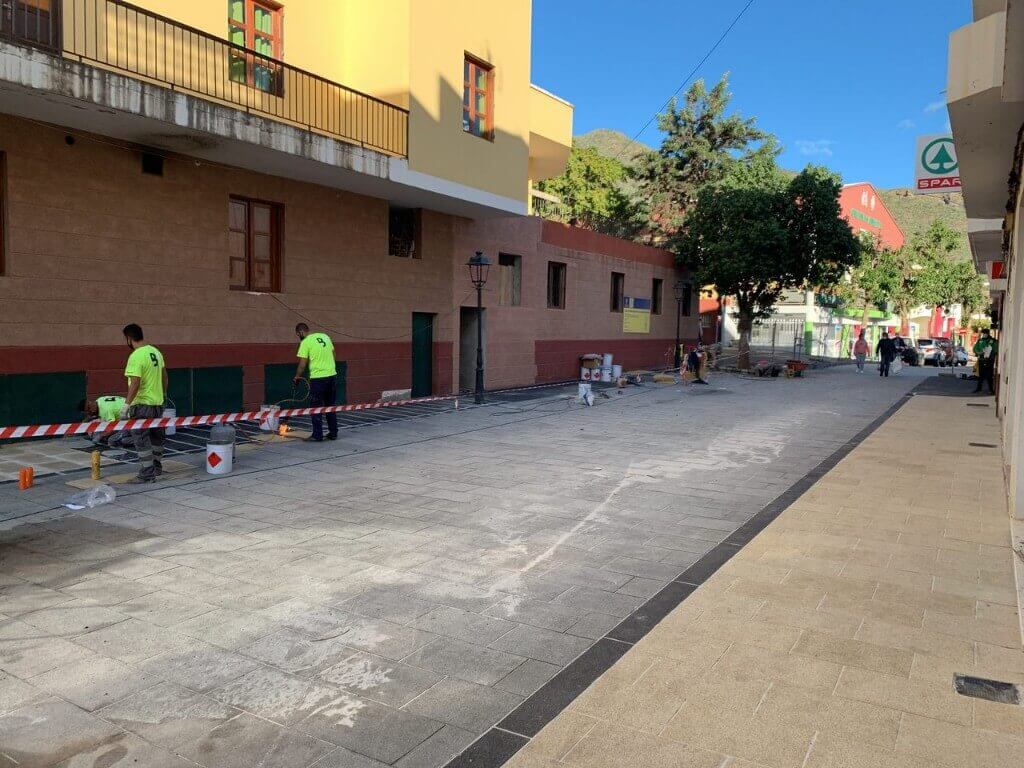
Installing flooring with high compressive strength
If you are looking to install durable, wear-resistant flooring, it is important to follow a proper installation process and use high-quality materials. High mechanical strength flooring is characterised by its ability to bear loads and resist abrasion, making it the ideal choice for places with heavy traffic, such as airports, car parks, warehouses and shopping centres.
To install high mechanical strength flooring correctly, it is essential to follow the manufacturer's instructions and use C2S1 or C2S cementitious adhesives in thin layers, with tiles that have an open porosity of less than 3%. In addition, installation must be carried out with an open joint of at least 3 mm.
It is important to bear in mind that installation must not be carried out at temperatures above 30 °C or below 5 °C, in strong or dry winds, or when sunlight falls directly on the surface. The adhesive's wetting capacity must also be checked every square metre and, if the surface wetted by the adhesive on the back of the tile is less than 75%, it is advisable to remove the adhesive from the tile and the installation substrate, then apply fresh adhesive.
Once the time specified by the manufacturer has elapsed, it is essential to thoroughly clean the installation joints, including the tiles, to ensure that the flooring remains in good condition over time. By following these tips, you will be able to install durable, wear-resistant, high mechanical strength flooring.
What is the best high-strength flooring on the market?
Byond's revolutionary Zoruflex® system has established itself among the best high-strength flooring options currently available. Given its characteristics, this really should come as no surprise.
This is a system with a service life of 25 years that can withstand 3,000,000 heavy vehicle passes perfectly, equivalent to 200 truck or bus passes per day over a period of 30 years.
NOTE: data certified by DIBt (the highest authority in Germany's construction sector) and IFSTTAR (the leading voice in transport science and technology in France).
Conclusions
In summary, installing high mechanical strength flooring requires careful planning, material selection and trained personnel to ensure that the necessary requirements are met to achieve durable, strong flooring.
Do you need this type of flooring? Contact the team of professionals at Byond for advice with no obligation.