

What is photocatalysis?
Photocatalysis is a chemical process in which a catalyst (called a photocatalyst) reacts with a chemical substance (called an organic compound) when exposed to light. Photocatalysis is widely used in air and water purification applications, as well as in disinfection processes.
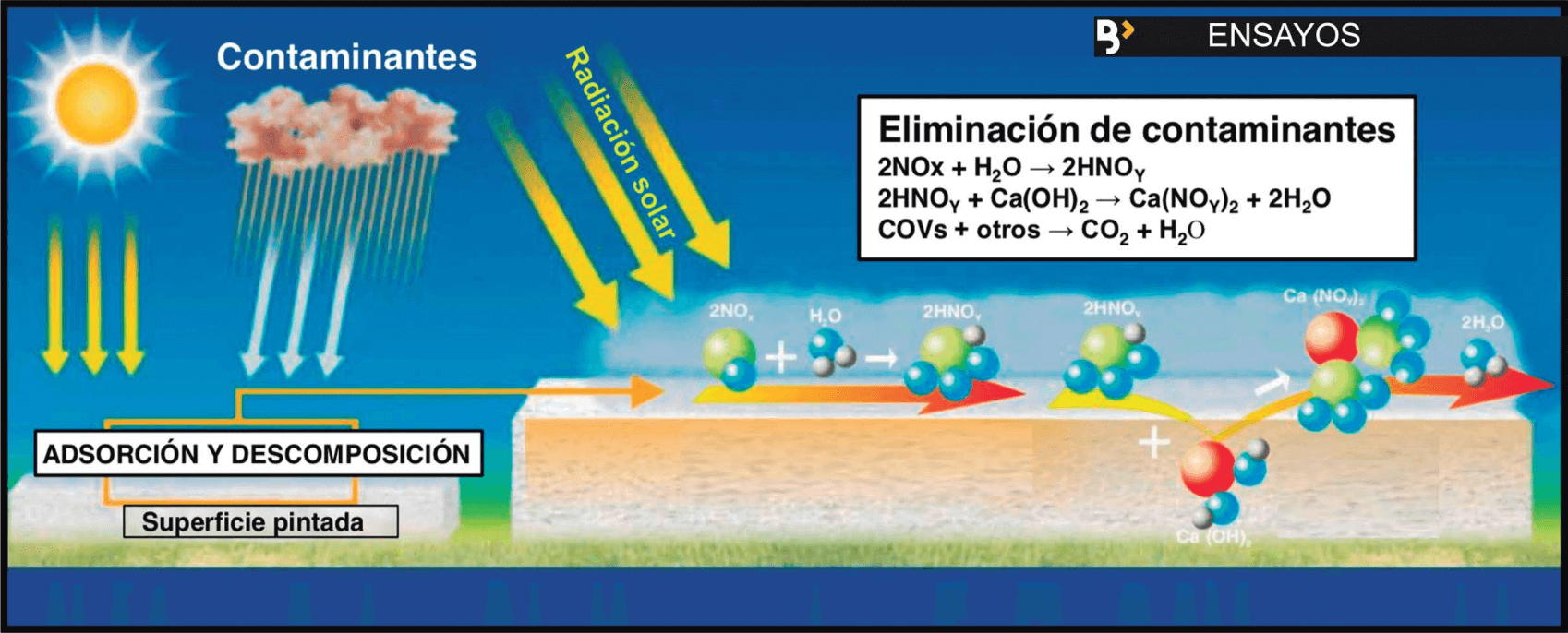
In a photocatalysis process, photocatalysts, such as titanium dioxide (TiO2), accept electrons from organic compounds and oxidise them in the presence of light, generating less toxic compounds or even water and carbon dioxide.
Benefits of photocatalysis
The main benefits of photocatalysis are:
1. Air and water purification
Photocatalysis is widely used in air and water purification, as the organic compounds present in air and water are oxidised in the presence of light and a photocatalyst, helping to eliminate pollutants and reduce the number of microorganisms present.
2. Carbon footprint reduction
As a sustainable technology, photocatalysis helps reduce the carbon footprint, as it does not require any additional lighting system and uses sunlight as an energy source.
3. Disinfection
Photocatalysis is also used in disinfection processes, as the microorganisms present in air and water are eliminated in the presence of light and a photocatalyst.
4. Improved safety
In the case of photocatalytic surfacing, photocatalysis is used to illuminate roads and improve road safety.
5. Low maintenance costs
Photocatalysis is very easy to maintain as it does not require any additional lighting system, resulting in significant cost and energy savings.
6. Durability
The photocatalyst is a tough and durable material, making it ideal for outdoor applications.
However, it is important to mention that, despite its obvious benefits, the development of this technology is still in its early stages and it is not yet widely used.
Nevertheless, it is important to continue researching and developing this technology in order to make the most of its advantages in the near future.
What is photocatalytic surfacing?
Photocatalytic surfacing is a type of surfacing that uses photocatalysis technology to illuminate public roads, creating a photocatalyst layer on the surface of the surfacing.
This layer can absorb sunlight during the day and then release it as light at night.
In addition, the photocatalyst also helps purify the air around the area, as the organic compounds present in the air are oxidised in the presence of light and a photocatalyst.
One of the greatest benefits of photocatalytic surfacing is that it does not require any additional lighting system, resulting in significant cost and energy savings.
Likewise, as a sustainable solution, it helps reduce the carbon footprint and contributes to a cleaner environment.
Byond Free, our photocatalytic treatment for surfacing
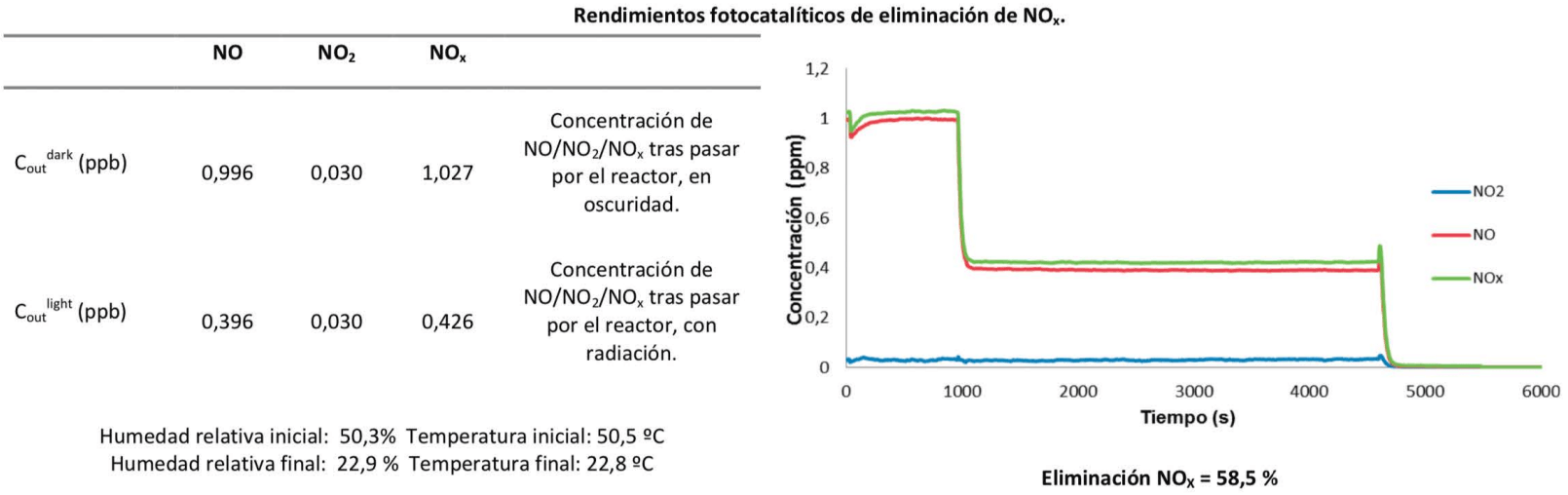
Byond's R&D and innovation team has created a photocatalytic treatment that enables pollutants to be eliminated by transforming them into products that are harmless to health.
Its main pollution-reducing properties include the following:
- Elimination of outdoor pollution, such as NOₓ, SOₓ, and CO₂.
- Elimination of VOCs from products, solvents and combustion.
- Disinfectant, deodorising and bactericidal properties.
- Prevention of dirt and mould formation.
- Prevention of the spread of respiratory infections.
Conclusions
In summary, this type of surfacing is an innovative technology that combines photocatalysis with surfacing to create a sustainable and efficient solution for lighting public roads.
Photocatalytic surfaces are another step towards a cleaner urban environment that is more welcoming to its inhabitants, thanks to their significant advantages:
- Reduced effects of allergies, respiratory diseases and eye conditions.
- Less heat accumulation in cities.
- Greater resistance to rain and less dirt accumulation on the surface.
- Greater durability.
- Greater resistance to extreme temperatures.
- Reduced dust generation during use.
Although it is still under development, it is important to continue researching and developing this technology to make the most of its benefits in the near future.
Please feel free to contact us for advice on photocatalytic surfacing, with no obligation.
Photo: Sorigué