
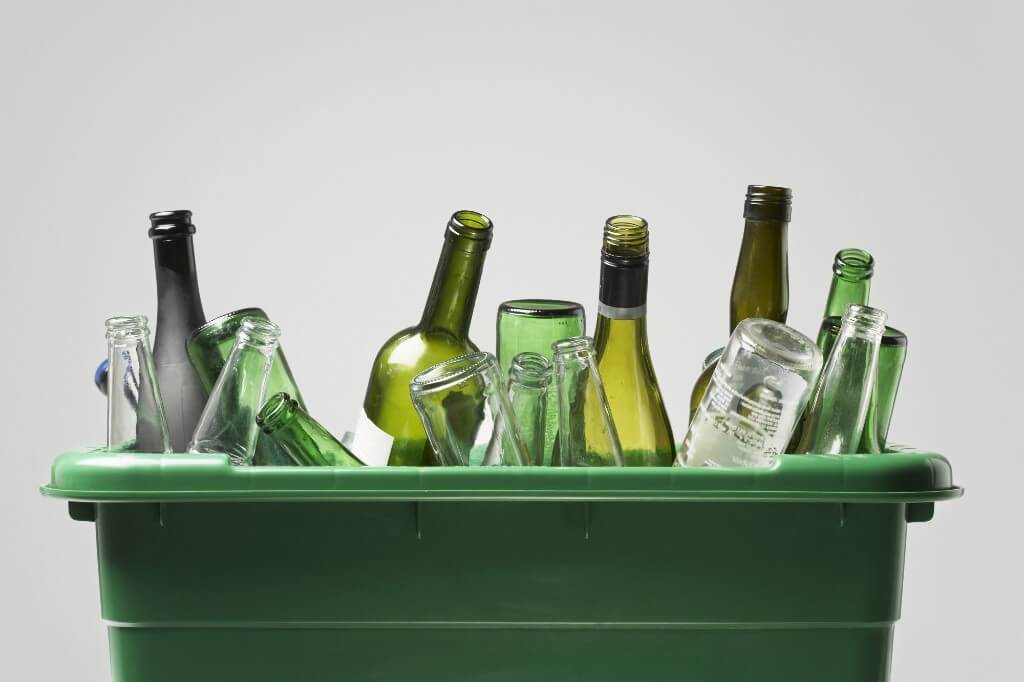
The use of recycled materials for road construction and surfacing is an increasingly popular innovation. This is due to the environmental, economic and technical benefits of using recycled materials for these purposes. Recycled glass is one of the most widely used recycled materials for road construction and surfacing, and it is becoming increasingly common as an environmentally sustainable option.
To begin this article, we will delve into the potential of recycled glass as an innovative and environmentally friendly option for surfacing. We will examine the current market situation and the advantages for the environment and the construction sector. Finally, we will explore the potential opportunities and challenges associated with this pioneering proposal.
The new trend in surfacing: recycled glass
Looking at the current market situation, the use of recycled glass as an alternative surfacing material has increased in recent years, as it offers a more environmentally friendly and durable solution for the construction sector. Its adoption has been shown to reduce the use of natural materials, have fewer environmental effects and provide an economical solution.
Considering the potential benefits, the use of recycled glass can be of great help to the environment. The materials used in the recycling process require less energy, generate less waste and reduce the consumption of natural resources. In addition, the glass recycling process can help reduce the amount of pollutants released into the atmosphere. It can therefore be an excellent option for the construction sector to reduce its environmental impact.
Origins of recycled glass
The roots of glass recycling date back to the 19th century, when the process of reusing glass containers for the same purpose was first adopted. Later, this concept was extended to breaking glass objects down into smaller pieces, allowing them to be used in various applications.
The appeal of using recycled glass for surfacing has grown in recent years. It is a cost-effective and durable material that requires minimal maintenance. It is also an environmentally responsible option, as it produces no harmful emissions. As a result, it is an attractive option for surfacing.
Benefits of recycled glass for surfacing
Integrating recycled materials into surfacing construction is an advanced and environmentally friendly solution. One option is the use of recycled glass, which offers numerous advantages.
- The use of recycled glass reduces environmental impact, as it allows fewer non-recyclable materials to be used in construction.
- Recycled glass is an incredibly durable material, which means that surfacing constructed with this raw material will have a long service life. This reduces the time required for resurfacing, as well as the associated costs.
- Recycled glass is a hygienic, low-maintenance material. This means that recycled glass surfacing is easier to clean and keep in good condition. This is particularly crucial for applications that require high levels of hygiene.
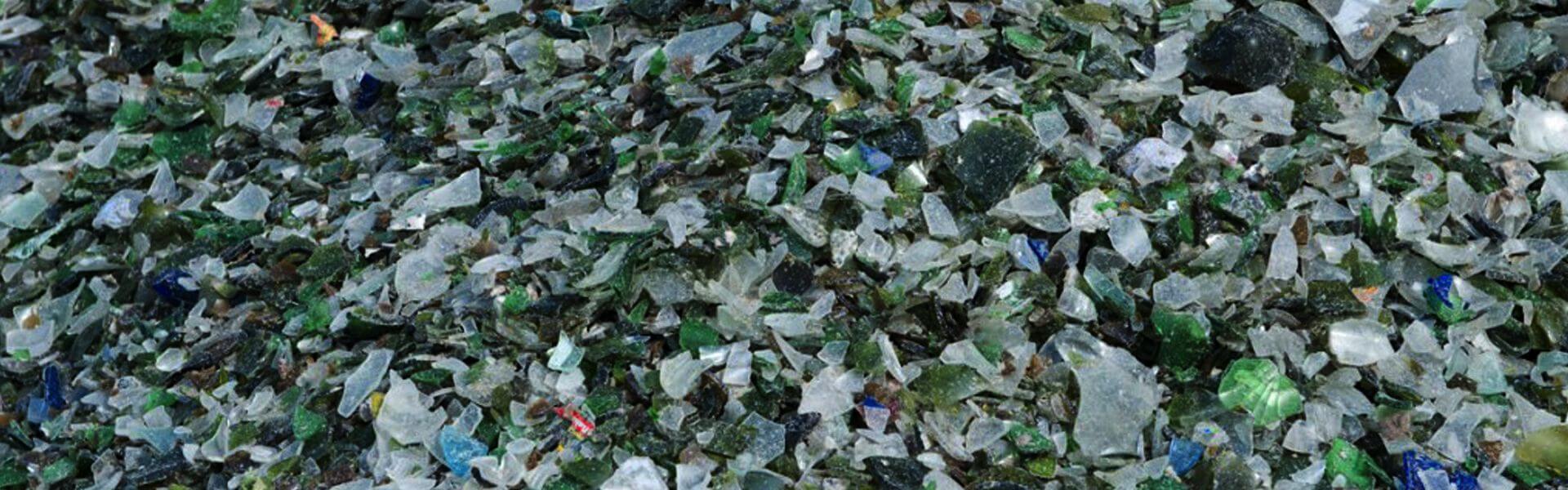
Glass recycling technologies
As part of efforts to help the environment, recycled glass has become an increasingly popular and innovative surfacing solution. This environmentally friendly option has gained supporters thanks to greater awareness of the harmful effects of non-recycled materials. For this reason, several companies are seeking suitable technologies for recycling glass.
Glass recycling technology includes a variety of recovery mechanisms and techniques. These methods involve a series of separation systems, such as manual, magnetic and vibratory separation, to divide the materials into recyclable components. These components are then taken to a reprocessing plant, where they are processed to manufacture a high-quality recycled product.
One of the main uses of recycled glass is the manufacture of surfacing. This is due to its durability and weather resistance. The recycled material is also resistant to wear, making it ideal for heavy traffic. Finally, recycled glass is resistant to chemicals, making it suitable for various applications.
Sustainability and style: recycled glass surfacing for a greener life
The use of recycled glass as a cutting-edge, environmentally friendly surfacing option is a viable way to improve the quality of urban spaces. This alternative offers greater strength, an improved aesthetic finish and greater durability at a relatively low cost. In addition, glass recycling reduces the amount of solid waste sent to landfill, thereby helping to preserve the environment. For these reasons, the use of recycled glass as a surfacing material in urban environments is recommended.
It is important to note that the use of recycled glass for surfacing must be regulated in urban development plans. This will help ensure that the necessary quality and safety standards are met. Furthermore, if the material is used correctly, a significant improvement in surfacing quality can be achieved, which will help improve people's everyday lives. The use of recycled glass as a surfacing material in urban environments is therefore recommended.