
In this article, we will explore everything related to recycled glass, including its origins, characteristics, composition, advantages and much more. Discover why recycled glass is an excellent alternative for protecting the environment and promoting sustainability.
Origins of recycled glass
Glass is a material that humanity has used for thousands of years. The process of recycling glass began more than a century ago, in Europe and the United States, as a way to reduce waste and conserve natural resources. Today, most countries have glass recycling programmes to promote its responsible use.
Characteristics of recycled glass
Recycled glass has the same characteristics as conventional glass. It is transparent, strong, waterproof and easy to clean. However, it also has some unique characteristics that make it an excellent choice for use in new products. Recycled glass can come in different colours, meaning it can be used in a wide variety of applications. In addition, recycled glass is less expensive than new glass, making it more accessible to many consumers.
Composition of recycled glass
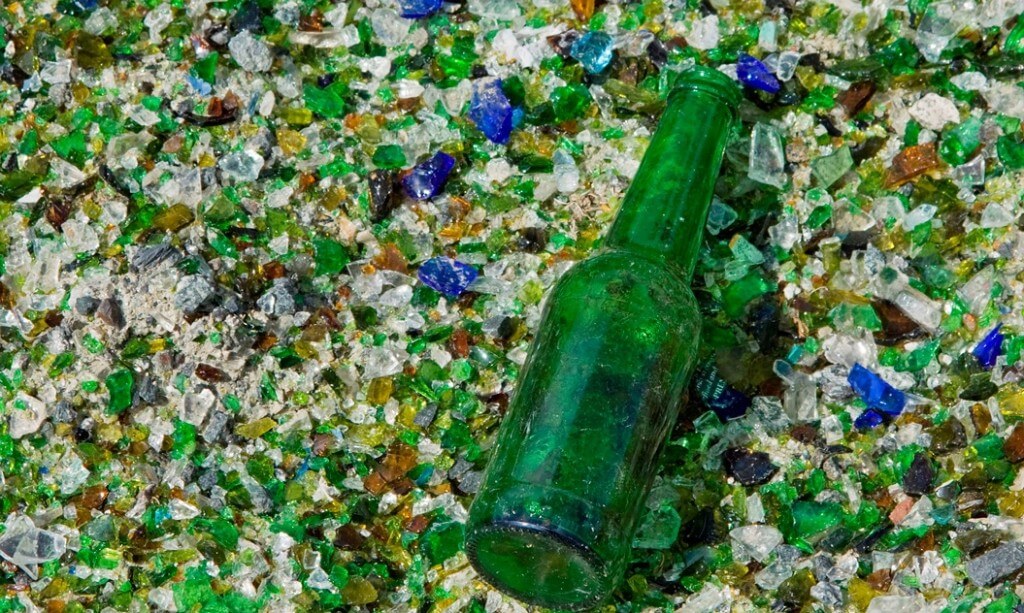
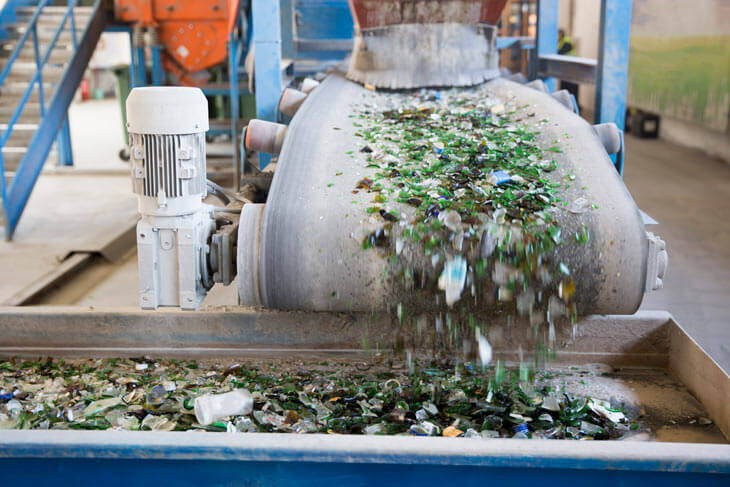
Recycled glass is made from glass that has been processed for reuse in the manufacture of new products. To make recycled glass, used bottles and other glass containers are collected and crushed into small pieces. These pieces are melted and moulded into new glass containers. Recycled glass may contain other materials, such as paper and plastic, which must be removed before the recycling process.
Advantages of recycled glass
There are many advantages to using recycled glass. Here are some of the most important:
- Recycled glass is more sustainable than conventional glass. Using recycled glass reduces waste and conserves natural resources.
- The production process for recycled glass uses less energy and emits fewer greenhouse gases than the production of new glass.
- Recycled glass can be used in a wide variety of products, from wine bottles to food containers and decorative objects.
- Recycled glass is less expensive than new glass, meaning it can be used in products that cost consumers less.
- Recycled glass can be recycled again, meaning it can be used continuously without generating waste.
How can we use recycled glass?
There are many ways we can use recycled glass in our everyday lives. Here are some ideas:
- Use recycled glass bottles instead of new bottles.
- Look for recycled glass containers in the products you buy at the supermarket.
- Use recycled glass decorative objects in your home.
- Use recycled glass to create arts and crafts projects.
- Look for products made with recycled glass, such as jewellery, accessories, furniture and lamps.
You can also contribute to the glass recycling process. Make sure you separate your glass bottles and containers into the appropriate recycling bin. If your community does not have a recycling programme, look for options for taking your glass containers to a nearby recycling centre. You can also encourage the use of recycled glass by sharing information about its advantages and promoting its use in your community.
Recycled glass flooring and surfacing
Another way recycled glass can be used is in the manufacture of flooring, surfacing and tiles for outdoor and indoor use. These surfaces are made from crushed recycled glass bound with synthetic resins to form a durable, wear-resistant material. Recycled glass flooring and surfacing offer an environmentally friendly and aesthetically pleasing alternative to conventional materials, while promoting the reuse of materials and the reduction of waste. In addition, recycled glass flooring and surfacing are UV-resistant and can be used in various applications, such as pavements, patios, terraces and public areas.
Recycled glass: the solution to the environmental problem of waste?
In summary, recycled glass is an excellent option for reducing waste and conserving natural resources. By using recycled glass in our everyday lives, we can contribute to a more sustainable and responsible future. So, let us look for recycled glass options and do our part to care for the planet!