
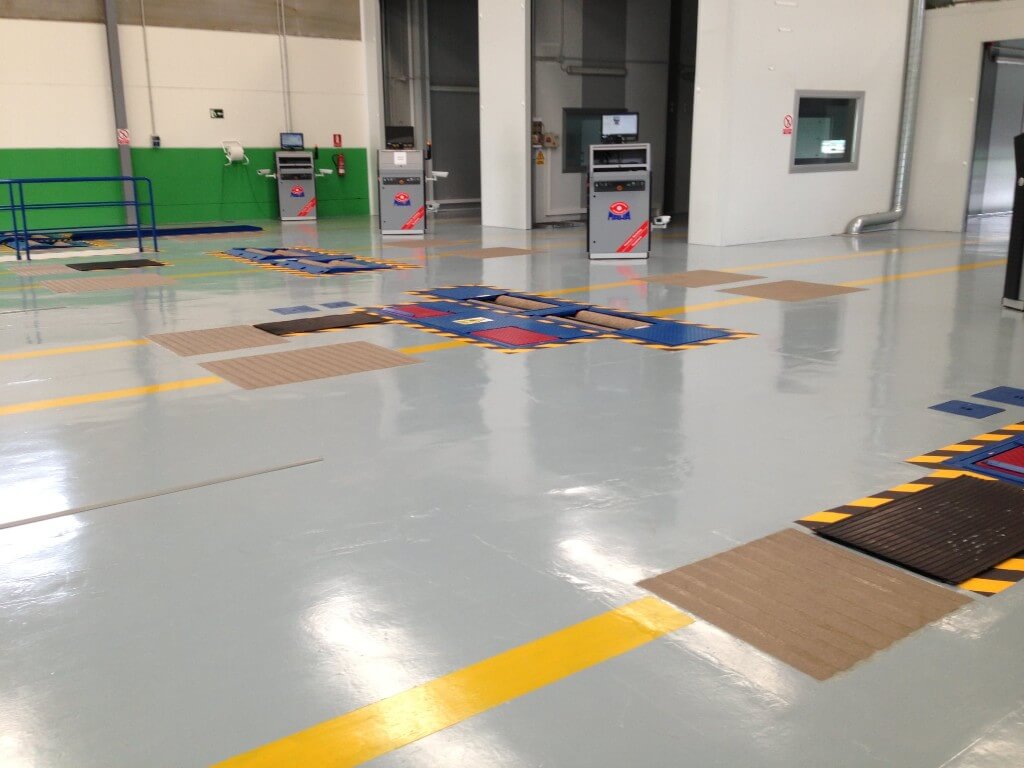
Floors in industrial buildings can be very different from other types of floors. In most cases, industrial buildings will require a more durable and stable floor that is not affected by constant movement and use of the building.
Below, we will discuss the different types of flooring commonly used in industrial buildings, as well as their advantages and disadvantages. Bear in mind that the most suitable type of flooring for your particular situation depends on several factors. Understanding these factors will help you choose the right type of flooring for your needs.
Essential characteristics of flooring for industrial buildings
Floors in industrial buildings are normally constructed using a variety of durable materials that can withstand the harsh conditions and frequent use of these structures.
Examples of desirable flooring materials for industrial buildings include plastic granules, concrete, rubber and rubber mulch.
In addition, factors such as flooring installation methods and maintenance requirements should be considered when selecting the preferred flooring option for an industrial building.
For example, tiled floors are usually easier to install and maintain than carpeted floors, which can be problematic in high-traffic areas.
In general, understanding the specific characteristics of the flooring being considered is essential when selecting a suitable flooring solution for an industrial building.
Tips for choosing flooring for industrial buildings
When selecting the right flooring for an industrial building, there are a few key tips to bear in mind.
Firstly, it is important to consider the safety requirements of the space in question. This will help you avoid selecting materials that pose a risk of tripping or charring, which can be dangerous in industrial environments.
Secondly, it is important to focus on the purpose of the flooring in question. While many people opt for simple hardwoods for their communal spaces, professionals may prefer more durable or versatile options for operational areas such as production areas or loading bays.
Ultimately, choosing the best flooring for an industrial building requires an understanding of safety and usage requirements, as well as the specific needs of the space in question.
The most widely used flooring in industrial buildings
The most widely used floor coverings in industrial buildings are vinyl and linoleum. Vinyl flooring is a popular choice among industry leaders because of its resistance to damage, its ability to withstand heavy traffic and its affordability.
Linoleum flooring, on the other hand, is a popular choice among owners of industrial buildings on a tight budget because of its affordability, recycled content and environmentally friendly tendencies.
With so many floor coverings available, it is important for industrial property owners to choose the one that best suits their needs. Whatever you choose, remember that the right flooring can make a big difference to the look and feel of your space.
Byond, your choice for industrial flooring
Now that you know how important it is to select the right flooring for an industrial building, do not forget to consider all the other factors that may influence the final result.
Remember that form follows function, so make sure your choice of flooring meets both needs.
At Byond, we have the best flooring solutions for industrial buildings at the best price on the market. Please do not hesitate to contact us for advice on your particular situation.