
Benefits of industrial flooring repairs
The advantages of repairing industrial flooring are clear:
Worker safety
Damaged or worn flooring is one of the leading causes of workplace accidents. People working in industrial environments are exposed to a variety of risks, such as falls, slips and trips. By repairing your company's flooring, you can significantly reduce the risk of accidents and injuries, which in turn increases workers' confidence and improves productivity.
Long-term cost reduction
Repairing industrial flooring may initially seem like a costly investment, but it can save you a significant amount of money in the long term. If the flooring is not repaired, the damage will worsen over time, which can lead to more expensive repairs or even complete reconstruction. By addressing the problem early on, you can avoid higher costs in the future and maintain your company's safety and efficiency.
Improved efficiency
Industrial flooring in poor condition can slow down your company's productivity. Heavy machinery cannot operate effectively on uneven flooring, and workers may find it difficult to carry out their tasks. Repairing industrial flooring can improve your company's overall efficiency by providing a solid, stable floor for machinery and workers.
Key strategies for industrial flooring repairs
There are specific approaches to repairing industrial flooring:
Damage assessment
Before starting any repairs, it is important to assess the damage to your industrial flooring. Common problems may include cracks, potholes, subsidence and general wear. A professional flooring repair contractor can help you identify the problem and offer suitable solutions.
Selecting the right material
Once the damage has been assessed, it is important to select the right material for the repair. The choice of material will depend on the type of flooring and the extent of the damage. Common materials include asphalt, concrete and epoxy resins. A flooring repair contractor can advise you on the right material for your specific needs.
Crack repair and sealing
Cracks are one of the most common problems in industrial flooring. If left untreated, they can worsen and cause more serious problems. Repairing cracks promptly is crucial to preventing further damage. Crack sealing is a common and effective solution. Flooring repair contractors use high-quality sealing materials to fill cracks and prevent them from widening or filling with water and other contaminants. Sealing materials also help prevent erosion of the flooring and extend its service life.
Repairing potholes and subsidence
Potholes and subsidence in industrial flooring can be dangerous for workers and damage machinery. These problems are caused by insufficient soil compaction, which leaves the flooring without adequate support. To repair potholes and subsidence, flooring repair contractors must excavate and fill the area with an asphalt or concrete mix. This ensures that the flooring has adequate support and does not pose a danger to workers or machinery.
Resurfacing
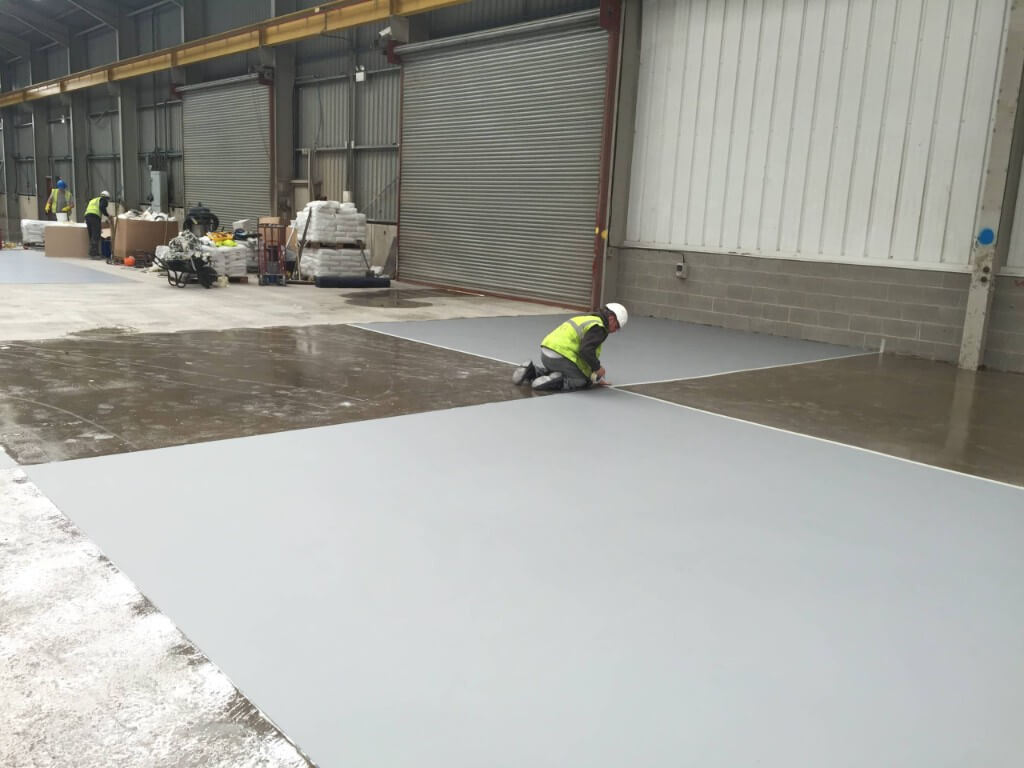
Resurfacing is a common repair technique that involves applying a layer of fresh concrete or asphalt to the surface of the existing flooring. This technique is effective in areas with general wear and no significant structural problems. Resurfacing is a cost-effective way to repair industrial flooring and extend its service life.
Preventive maintenance
Once industrial flooring has been repaired, it is important to maintain it to prevent future damage. Preventive maintenance includes crack sealing, joint sealing, filling potholes and sunken areas, and regular cleaning. Preventive maintenance helps extend the service life of industrial flooring and avoid costly repairs in the long term.
Conclusions
In summary, industrial flooring repairs are essential to ensuring your company's safety and efficiency. Damaged flooring can cause accidents, productivity delays and long-term costs. By assessing the damage, selecting the right material, repairing and sealing cracks, repairing potholes and subsidence, resurfacing and carrying out preventive maintenance, you can extend the service life of industrial flooring and maintain your company's safety and efficiency.
Do not wait for the damage to worsen: find a professional flooring repair contractor today and ensure your company's safety and efficiency. Remember that flooring repairs are not just an investment in your company's infrastructure, but also an investment in your workers' well-being and the success of your business.
Do you need help repairing your industrial flooring? Contact the team of professionals at Byond for advice with no obligation.