
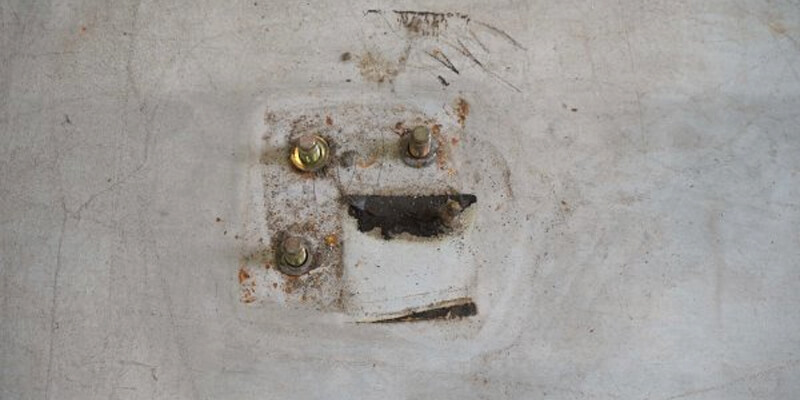
When starting renovation work on any type of surface (especially industrial flooring), it is essential to remove all anchors and screws to create the ideal conditions for repairing holes, hairline cracks and cracks.
Once the concrete surface is ready, a treatment is applied to harden and seal the flooring, preventing future damage and allowing new racking to be installed or the floor to be put to any other industrial use
What types of anchors do we remove?
In short, any that are fixed to the flooring, such as the following:
- Industrial racking anchors.
- Machinery bolts.
- Large bolts.
- Expansion anchors.
- Stud bolts.
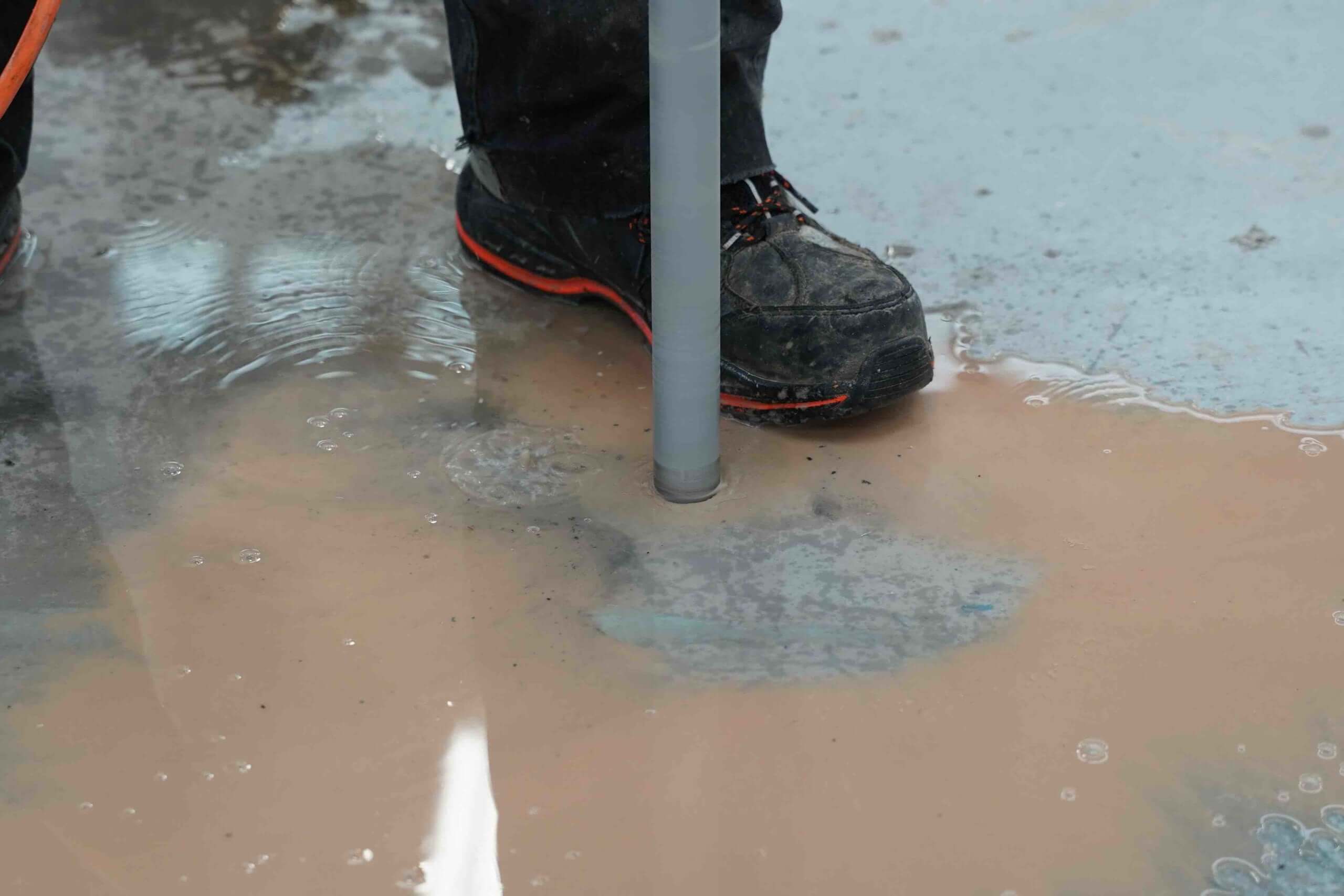
Why should screws and anchors be removed from the floor?
There are various reasons for choosing to remove anchors and screws from an industrial floor. Some of the most important are:
- Upgrading machinery and racking.
- Increasing the value of an industrial building.
- Complying with rental agreement clauses.
- Implementing strategic decisions to reconfigure work areas.
- Complying with legal regulations.
Byond, experts in removing screws and anchors from floors
If you would like advice or a free quotation for removing screws and anchors from concrete, do not hesitate to contact us with no obligation.
- How is an epoxy floor repaired?
- Diamond polishing of industrial flooring and floors
- Removal of industrial floor markings
- Grinding resin flooring and removing paint
- Repairing deteriorated concrete patches
- Repairing concrete flooring
- Repairing cracks and hairline cracks in concrete floors
- Repairing and sealing expansion joints
- Repairing potholes in concrete flooring