
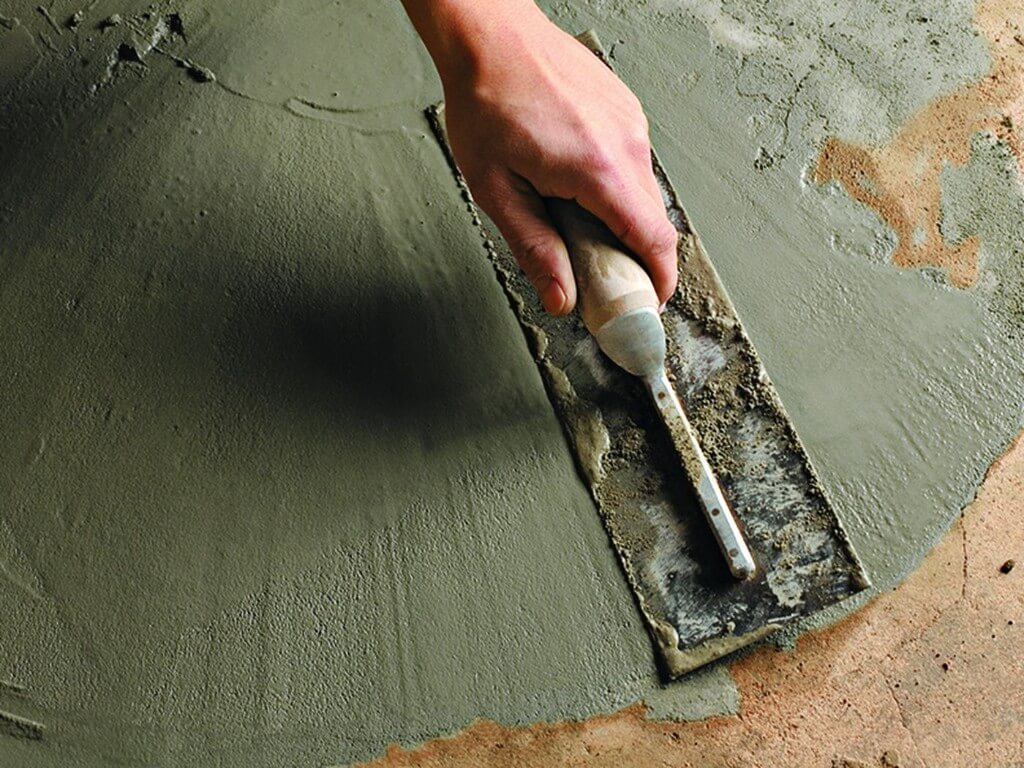
A floor in poor condition brings numerous problems relating to hygiene, workplace safety and appearance. If left untreated, they will worsen, and sooner rather than later the surface will need to be renewed, with the financial cost and production downtime this entails.
That is why the ideal approach is to use minimally disruptive, long-lasting solutions that can be carried out in situ without stopping production.
What are the most common problems with industrial concrete flooring?
Problems with concrete arise, for example, from incorrectly performed procedures, defects in the existing surface, misuse of the flooring, materials in poor condition, inadequate concrete floor slab design, excessive moisture, extreme temperatures, etc.
The most common issue, and the first sign of deterioration in flooring, is fine cracking, which causes the other associated problems.
Consequently, these cracks can cause pieces of the concrete floor to break away, exposing the base of the concrete floor slab, with more serious consequences.
Another area prone to problems is the expansion joints in the concrete, as these are spaces where moisture and dust can penetrate. Over time, cracks can grow, widen and even join together.
Cracks and fine cracks
From small, fine cracks that do not cause serious functional problems to large cracks that make the area impassable.
Patches and areas in poor condition
Patches are dangerous for industrial vehicles moving heavy loads, especially if these are raised to considerable heights. They must be properly secured to ensure an optimal long-term result.
Uneven levels
Differences in level between two warehouses or through doorways are dangerous for industrial vehicles carrying heavy loads. Sometimes, uneven levels are not visible at first glance and can cause accidents.
Holes and other defects
Holes in concrete flooring can result from bolt removal, crumbling caused by cracking, or objects present in the concrete during pouring.
Anchors and bolts
Racking anchors must be removed correctly, as they can obstruct the smooth movement of vehicles with rigid wheels. Likewise, if racking needs to be replaced, dozens of anchors may remain visible and have a negative impact on appearance.
Pits and pinholes
Pits caused by aggregates or foreign objects breaking away from the top layer of a concrete floor can hinder the smooth movement of industrial vehicles and cause significant damage if not repaired quickly.
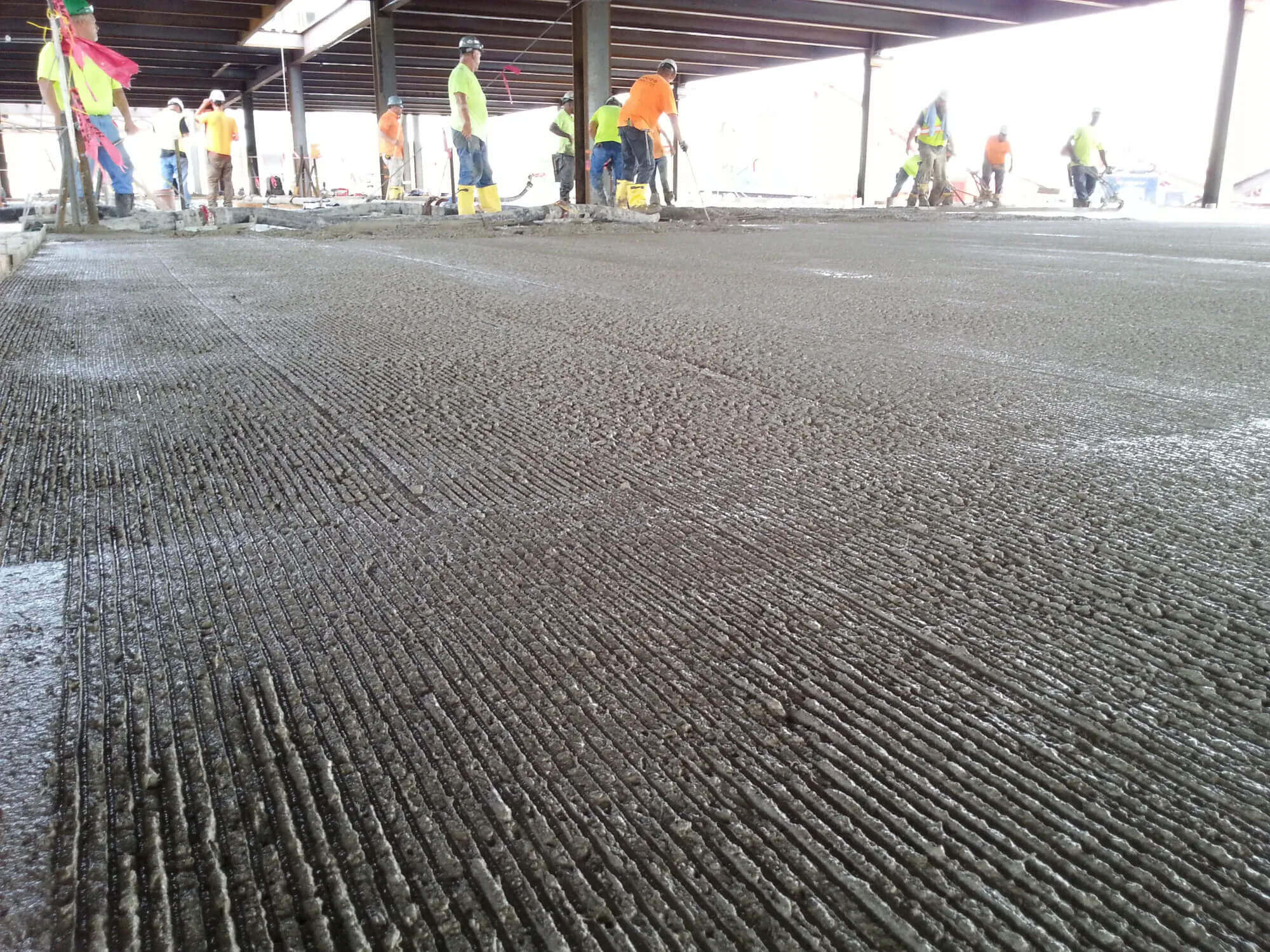
Why repair a concrete floor slab?
Repairing an old concrete floor aims to avoid completely reconstructing the flooring, which would involve greater costs and more time for the company.
Therefore, if deficiencies and defects appear in industrial flooring, it is important to assess what is happening and why these problems are arising as soon as possible.
Sometimes, even with great care and preparation during the initial flooring construction process, deficiencies and defects eventually appear during the service life of the industrial floor slab.
The reasons can vary widely, but they are often related to an incorrect choice of flooring.
If there are concerns about having to stop operations for repair work, it is worth bearing in mind that work is usually carried out in sections. A complete reconstruction would be a very different matter and would indeed entail greater difficulties.
How is a concrete floor repaired?
Several points must be addressed before carrying out repairs, relating to assessing the condition of the floor, understanding the causes of the defects and determining how the flooring will subsequently be used. Only then can repairs proceed.
What materials are used in these repairs?
First of all, it is essential to condition and prepare the affected area. The use of a special crack repair mortar or resin is recommended. This normally consists of two components to ensure a minimum degree of flexibility.
Food-handling facilities and cleanrooms must comply with strict hygiene regulations. For this reason, crack repair is a task that must be carried out exclusively by specialists.
Likewise, applying materials designed for crack repair prevents dust formation in the affected areas.
These repair materials are essential because of their resistance to corrosive agents and their ability to repel oils and substances that are difficult to remove from concrete floors.
How long do repairs take?
At Byond, we know that time is crucial, so we try to minimise the time needed to carry out the work and use fast-setting/drying materials that can be put into service quickly.
Generally, for small and medium-sized repairs, the surface can be used after 4-5 hours, while substantial patch repairs or larger jobs require a maximum of 1-2 days before traffic can pass over the surface.
Byond, specialists in concrete flooring repairs
If you would like advice or a free quotation for concrete flooring repairs, please do not hesitate to contact us without any obligation.
- How is an epoxy floor repaired?
- Diamond grinding of flooring and industrial floors
- Removal of screws and anchors from concrete
- Removal of industrial floor markings
- Grinding resin flooring and removing paint
- Repair of concrete patches in poor condition
- Repair of cracks and fine cracks in concrete floors
- Repair and sealing of expansion joints
- Repair of potholes in concrete flooring